Portugues
How FredyGames checks every game's licence
Every game on FredyGames is here because someone with the right to say so said yes. That sounds simple, and in principle it is, but in practice it means reading a lot of licence files, readmes and fine print, and turning down games we would love to host. This guide describes the checks each game goes through before it reaches the catalogue, why the rules are as strict as they are, and what to do if you hold the rights to something you see here.
The one rule behind everything
A game enters the catalogue only with explicit permission to redistribute it from the rights holder. In practice, that permission takes one of two forms:
- A free licence chosen by the author, which grants everyone the right to copy and share the work.
- An official freeware release whose written terms allow redistribution.
"Free to download" is not the same thing. Plenty of games can be downloaded at no cost from their author's website, but unless the terms say others may pass them on, hosting a copy would be using someone's work without permission. When the terms are silent or unclear, the game stays out.
Which licences we accept
These licences give the permission we need, including for a site supported by advertising:
| Licence | Typical use | What it requires of us |
|---|---|---|
| MIT, BSD, ISC, zlib, Boost | Code, sometimes whole games | Keep the copyright notice and licence text |
| Apache-2.0 | Code | Keep the licence text and any NOTICE file |
| GPL and similar copyleft licences | Code | Provide the complete source code of the version we serve |
| CC0 and public domain dedications | Anything | Nothing, though we credit authors anyway |
| CC BY | Art, music, text | Credit the author |
| CC BY-SA | Art, music, text | Credit the author and keep adaptations under the same licence |
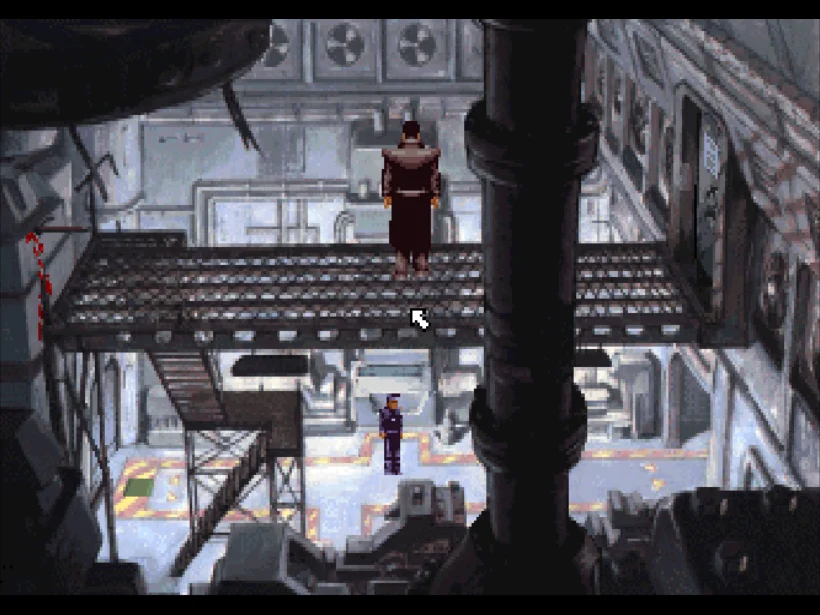
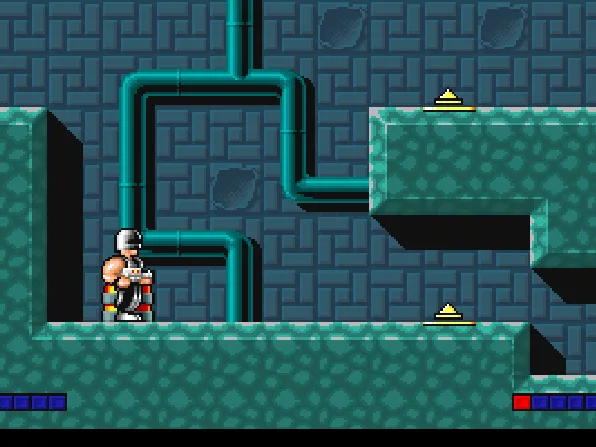
Freeware is accepted case by case, only when its terms clearly allow redistribution. Beneath a Steel Sky is a good example: Revolution Software's freeware licence explicitly allows the game to be passed on free of charge, with its notices intact. Some freeware goes further: the studio behind Electro Man later re-released its games under a Creative Commons licence.
Each game page states the licence, links to the place where the rights holder published the game, and quotes in a single line the passage that grants the permission. The full licence text, copied from the original package or repository, is kept alongside the game.
Why non-commercial and no-derivatives licences are excluded
Some Creative Commons licences carry restrictions: NC (non-commercial) and ND (no derivatives). FredyGames does not use either.
The NC case is straightforward. The site is free to use, but it is supported by advertising, and a site that shows ads is a commercial use. Hosting an NC-licensed game would break its terms even if we never charged anyone for it.
ND is excluded because running a game in the browser often involves packaging it: converting a file, wrapping it for an emulator, or, with copyleft software, applying and publishing a small patch. Licences that forbid any adaptation leave too little room to do that honestly.
Abandonware does not exist, legally
A common belief holds that old games whose publishers have vanished are fair game. They are not. Copyright lasts for many decades, and it does not lapse because a game is no longer sold, because a company closed or because nobody seems to be enforcing it. The rights still belong to someone, even if finding that someone is hard.
So "abandonware" is a description of a market situation, not a legal category, and FredyGames does not host it. The same goes for commercial ROMs of console games, shareware episodes of games that are still on sale, and anything presented as "for preservation purposes". Preservation is valuable work, but it does not grant us a licence.
It is not just the code
A game is more than its program. Graphics, music, sound effects, fonts, voice recordings and story text can each have a different author and a different licence, and every part has to allow redistribution.
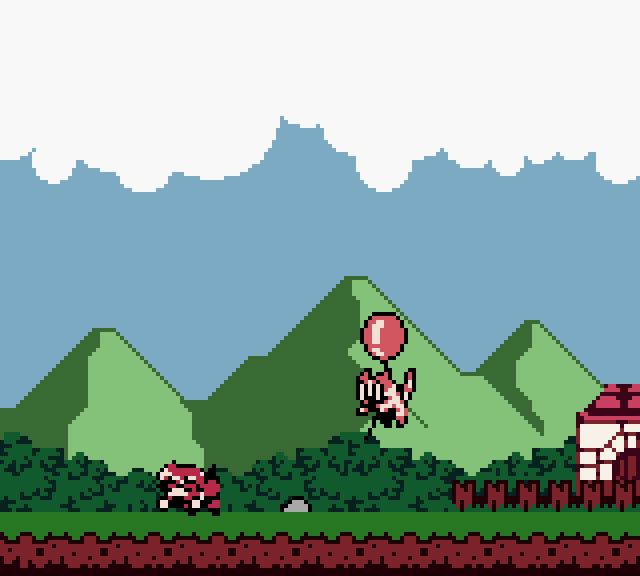
This is where many checks become interesting. Tobu Tobu Girl Deluxe has its code under MIT and all of its images, text, sound and music under CC BY. Dragon Blaster uses MIT code with graphics from several freely licensed art packs, each of which we checked. Libbet and the Magic Floor is based on another designer's puzzle and was made with his permission, which its author documents.
When a single part does not pass, the game cannot go in as it is. Sometimes a project includes material its authors were allowed to use privately, under a permission that does not extend to anyone else; when the licence allows it and the game still works without that material, it is left out of what we publish. The same care applies to emulators: one of our players is built without a few sound-chip files whose licence does not allow commercial use, and the modified source is published so anyone can see exactly what was removed.
No borrowed characters or brands
Even a game whose code is free can be unusable if it borrows someone else's intellectual property. Fan games starring famous characters, clones that copy a commercial game's art or name, and homebrew built around a trademark all stay out, whatever licence their authors chose, because the authors could not grant rights they did not have.
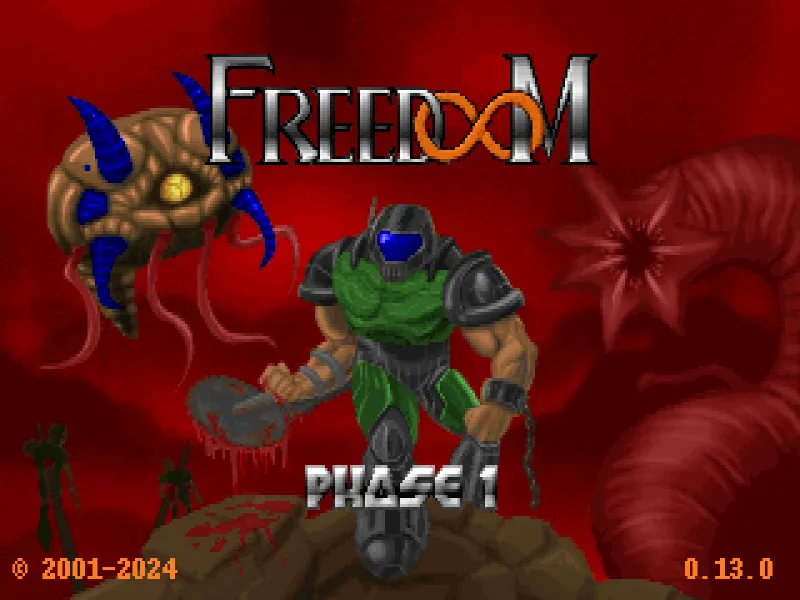
The same principle shapes how we write about games. Console names appear only to say which system a homebrew game was made for, without manufacturer logos or artwork. And Freedoom, a free game that runs on engines written for a famous shooter, is always presented under its own name.
Copyleft means hosting the source
Licences such as the GPL let anyone redistribute a program, on the condition that the corresponding source code is made available too. Some of these licences offer a shortcut, a written offer or a link to someone else's copy, but that option is generally reserved for non-commercial distribution. Because FredyGames shows ads, we take the stricter path: we host the complete source code of the exact build we serve, right next to the game, and link to it from the game page and the licences page.
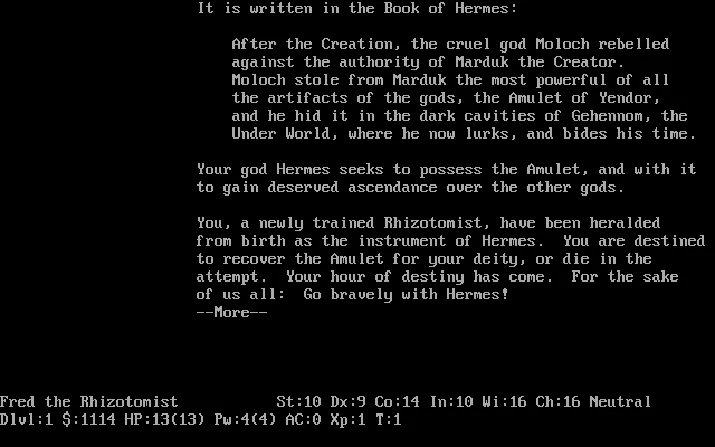
NetHack is the clearest case: its own licence requires the source to accompany the program, so the full source of the DOS build we run is available from its page. When we compile a game or an emulator ourselves, the build script and any patch we applied are published as well.
Emulator licences matter too
Every game runs inside an emulator or interpreter, and those are software with their own licences. An emulator that forbids commercial use is just as unusable as a game that does, and several popular emulators for older consoles carry exactly that kind of clause. We choose emulators whose licences allow our use, and when they are copyleft, we publish their source in the same way as for games. The licences page lists every emulator, its version and its licence.
What a rejection looks like
Many games we consider do not make it into the catalogue, and the reasons are rarely dramatic. Some typical cases, without naming anyone:
- A soundtrack with no licence. The code was under MIT, but the music came from a composer who never stated any terms. Without the music the game would not be the same game, so it stayed out.
- A jam logo or a borrowed splash screen. An otherwise free game displayed the logo of an event or a third party, which its author had no right to relicense.
- A non-commercial clause. The author chose CC BY-NC. That is a perfectly reasonable choice for them, and an incompatible one for a site with ads.
- Freeware that only allows playing. The readme let people use the game for free but said nothing about passing it on, or explicitly forbade distribution for anyone's gain.
- An unfilled template. The game shipped with placeholder text such as "change this to your licence of choice". A licence the author never actually chose is not a licence.
- An upload by someone else. The game appeared in an archive, but uploaded by a third party "with permission". Unless the author confirms it, we set it aside.
If you hold the rights to a game here
We take every check seriously, but mistakes are possible. If you are the author or rights holder of a game on FredyGames and something looks wrong, whether it is a credit, a licence detail or the presence of the game itself, please write to us through the contact page. Tell us which game it concerns and what you would like us to do. We read every message, and when there is a problem we correct the page or remove the game. The about page has more on who runs the site and why.
Why it is worth the trouble
Strict rules mean a smaller catalogue, but every game in it can be played, shared and linked without second thoughts. It also respects the people who made these games: they chose to share their work on certain terms, and following those terms is the least we can do. If you want to know more about where these games come from, read what homebrew is; and to get playing, the guide to playing retro games in your browser explains the keys and saves, while the beginner's guide to text adventures introduces the oldest genre in the catalogue.