Portugues
Roguelikes you can play free in your browser
Few genres have a vocabulary as specific as the roguelike. Fans argue about what counts, whole communities exist around a single game, and some players spend years on one dungeon without ever reaching the bottom. It can look intimidating from the outside, with its screens of letters and its reputation for unfair deaths, but the core idea is simple and the best roguelikes are among the most generous games ever made: free, endlessly replayable and full of surprises. This guide explains what a roguelike is, where the genre came from, and how to get started with each of the roguelikes on FredyGames, all of which you can play in your browser.
What makes a game a roguelike
The name comes from Rogue, a dungeon game from 1980, and for a long time a roguelike simply meant "a game like Rogue". Three features sit at the heart of almost every definition:
- Permadeath. When your character dies, the game is over. There is no reloading an earlier save to try again: you start a new character from scratch. Saving exists, but only to let you stop and continue later.
- Procedural generation. Every game builds a new dungeon at random, with different levels, monsters and items. You cannot memorise a route; you have to learn the rules and apply them to whatever you find.
- Turn-based play. The world waits for you. Nothing moves until you act, so every step is a decision and there is always time to think.
Classic roguelikes add a few more traits: a grid-based map, a single character, a lot of items whose effects you have to discover, and many systems that interact. In 2008, a conference of roguelike developers in Berlin wrote these ideas down as a list of "high-value factors", now known as the Berlin Interpretation. It is a description, not a law, and plenty of beloved games break some of its rules.
In the last two decades, roguelike ideas spread into action games, platformers and card games. Games that borrow permadeath and random levels but drop turns or add permanent upgrades between runs are often called roguelites. You will find both kinds below.
From Rogue to NetHack and beyond
Rogue was written around 1980 by Michael Toy and Glenn Wichman, later joined by Ken Arnold, and it spread across university computers as part of BSD Unix. It drew the dungeon with ordinary characters: walls were lines of dashes and bars, monsters were letters, and you were an @. That convention survives to this day.
Rogue inspired Hack in 1982, and Hack in turn became NetHack in 1987, developed by a team of volunteers who collaborated over the early internet, hence the name. NetHack grew into a vast game full of interactions between monsters, items and terrain, and it is still maintained by its DevTeam today. Other lines grew in parallel, such as Moria and its successor Angband, and later Dungeon Crawl Stone Soup, whose freely licensed tile set also appears in one of our DOS games, Dungeons of Noudar 3D.
The 2000s and 2010s brought a new generation. Brogue (2009) showed that a roguelike could have simple controls and still be deep. HyperRogue (2011) kept the classic rules but changed the shape of space itself. At the same time, games like Spelunky and The Binding of Isaac brought roguelike ideas to a much wider audience, and the genre has been everywhere since.
The classics on FredyGames
NetHack
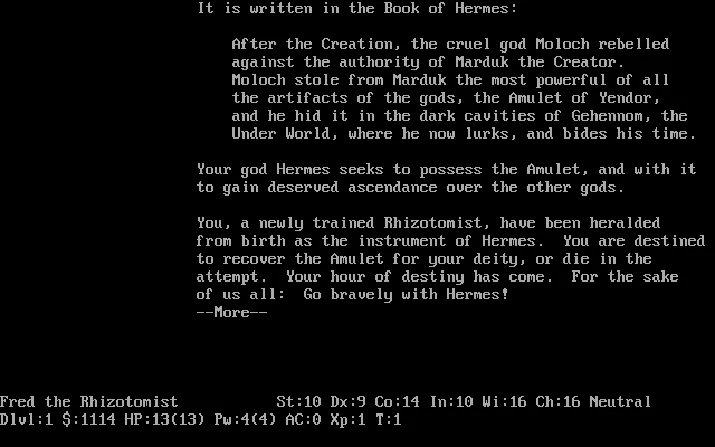
NetHack runs here in its DOS build, in text mode, inside DOSBox. Your goal is to descend through the Dungeons of Doom, retrieve the Amulet of Yendor and survive the climb back. Almost nobody wins, and that is fine: each game teaches you something.
How to start:
- Pick a sturdy first character. When the game offers to pick a role for you, say no and choose a Valkyrie or a Samurai. Both start with a good weapon and armour and forgive many mistakes.
- Move with hjkl or the arrow keys, use
yubnfor diagonals, and press?for the in-game help, which lists every command. - Keep your pet close. You start with a small animal that fights for you. In the early levels it can save your life.
- Watch the status line. When it says Hungry, eat. Hunger kills more beginners than monsters do. Eat corpses only when they are freshly killed, and never a cockatrice.
- Read every message. NetHack explains what is happening in one line at the top of the screen, and often only once.
- Pray when you are in real trouble. Typing
#praycan rescue you from low health or starvation, but only rarely. As a rule of thumb, leave about a thousand turns between prayers. - S saves and quits. You can come back to the same character later.
Slash'EM
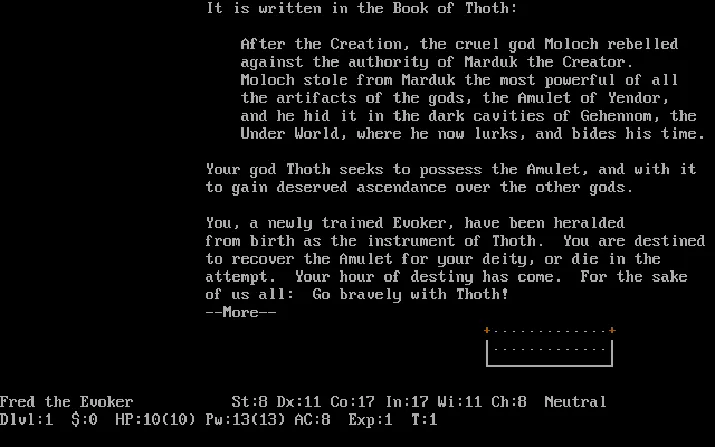
Slash'EM is a NetHack variant, its name short for Super Lotsa Added Stuff Hack, Extended Magic. It keeps NetHack's rules and adds more of everything: new roles such as the Flame Mage, the Ice Mage and the Necromancer, new races, monsters, items and branches of the dungeon. It is generally considered harder and less balanced than NetHack, which is part of its charm.
How to start: everything above about NetHack applies, from the keys to the hunger warnings. A Valkyrie or a Samurai is a forgiving choice here too. Be careful with anything new: most items and monsters behave as they do in NetHack, but not all of them, so test the unfamiliar ones when you are at full health.
Brogue: Community Edition
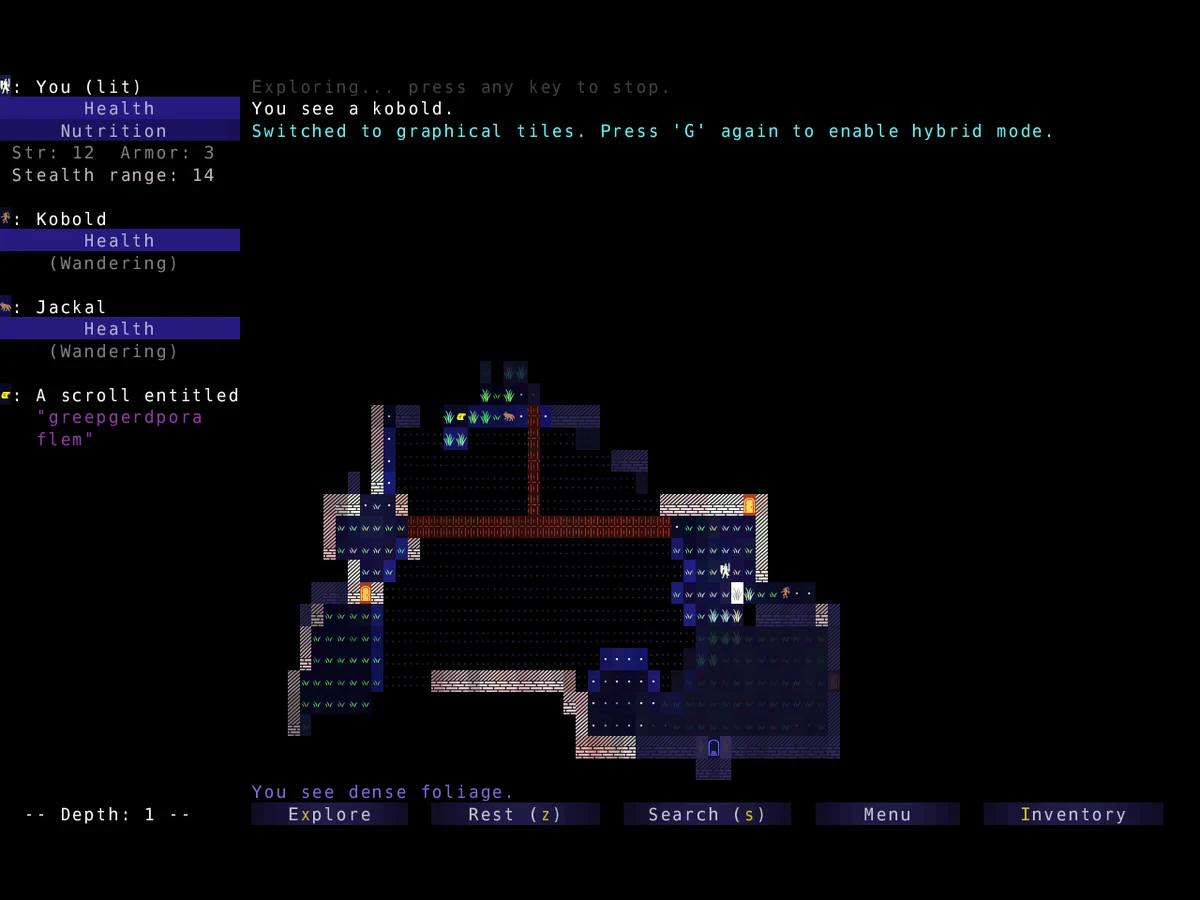
Brogue is perhaps the best introduction to classic roguelikes. There are no classes and no character creation: everyone starts with the same dagger, darts and leather armour, and your character becomes whatever the dungeon lets it become. The goal is to bring the Amulet of Yendor back from the 26th level.
How to start:
- Press X to explore. The game walks the level for you, picks up items and stops when something needs your attention. When the level is done, press
>to travel to the stairs. - Hover over every monster. The description tells you how often it hits and in how many hits it could kill you. Believe it.
- Fight in corridors. Groups of jackals or rats are dangerous in the open and manageable one at a time.
- Rest before the stairs. Shift+Z rests until you are healed or something interrupts you.
- Read unknown scrolls freely, drink unknown potions carefully. Most scrolls help. Some potions are dangerous, so try them at full health with no enemies around, and keep the harmful ones to throw.
- Save your enchant scrolls for one or two items. Putting most of them into the same piece of equipment is what makes a strong character.
- Free the shackled captives. An ally can carry you through the early game.
If you want something shorter, the Change Variant option offers Rapid Brogue, a quarter-length dungeon.
HyperRogue
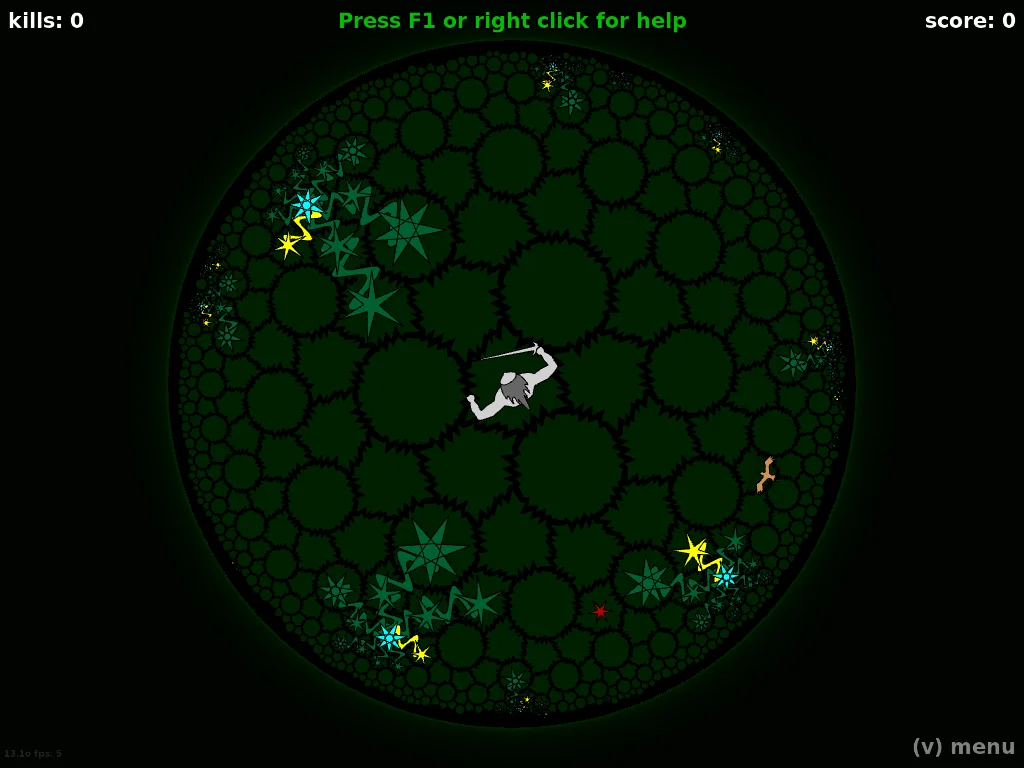
HyperRogue looks like a classic roguelike but is played on a hyperbolic plane, a surface where space opens up faster the further you go. Walk a few steps in a straight line and the way back is almost impossible to find. You collect treasure across dozens of lands, each with its own rules, and every treasure you pick up attracts more monsters from that land.
How to start:
- Hover and right-click. Every monster, wall and item has a description, and each land's rules are explained there.
- The game will not let you die by accident. You kill most monsters by stepping into them, and any move that would get you killed on the spot is simply refused. If a move is not allowed, look for the threat you missed.
- Move on when a land gets crowded. The monsters only care about their own land's treasure, so gathering a little everywhere is safer than a lot in one place.
- Check the Esc screen. It tells you what the next goal is, such as how many treasures open new lands.
- Quit with F10. A run is only kept if you quit properly while holding a powered Orb of Safety; otherwise quitting ends it and records your score.
Small roguelikes on small machines
Roguelike ideas fit surprisingly well into tiny games, and several of the homebrew games on FredyGames use them.
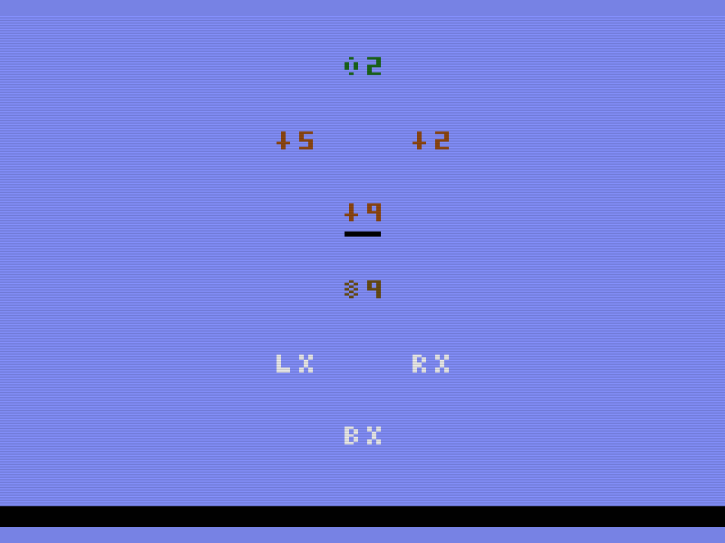
- Dungeon Deck for the Atari 2600 turns the dungeon into a shuffled deck of 45 cards: monsters hurt you, swords and shields protect you, potions heal you. Start on the easy difficulty, and remember that only the two hand slots count as equipped.
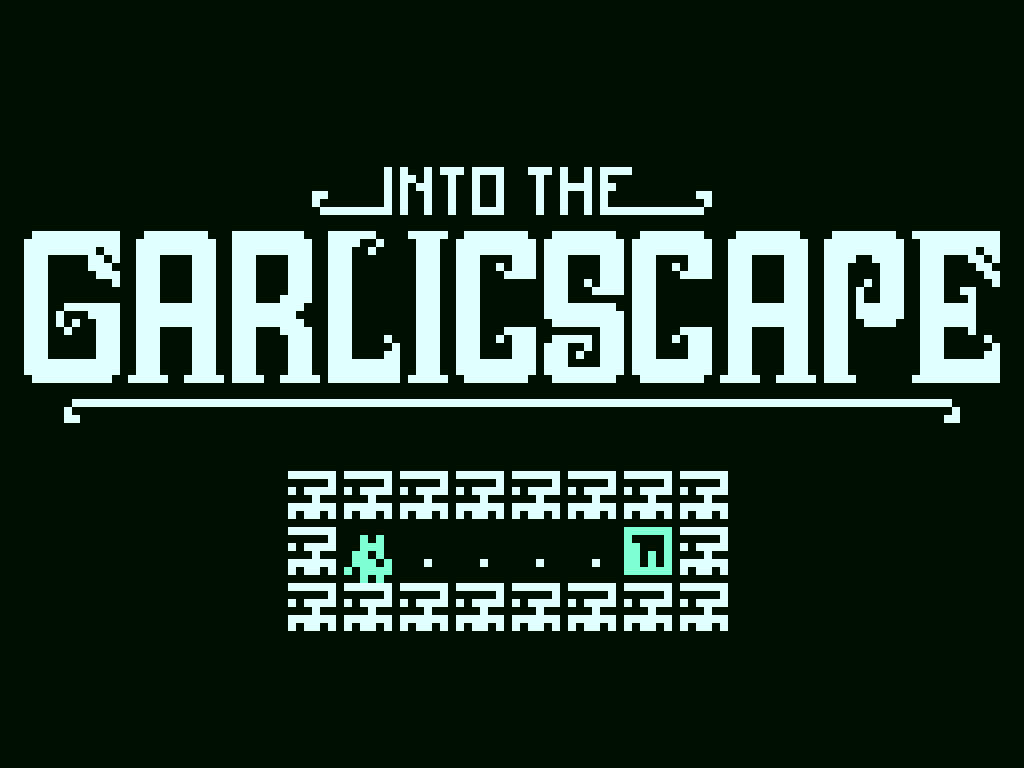
- Into The GarlicScape for CHIP-8 is a miniature turn-based crawl: gather fifteen bulbs of garlic across random floors. Walking into a moth squashes it, but roaches can only be avoided, and a llama hug refills your hearts. Black Rainbow, by the same author, is a short real-time descent through 25 random rooms against the clock.
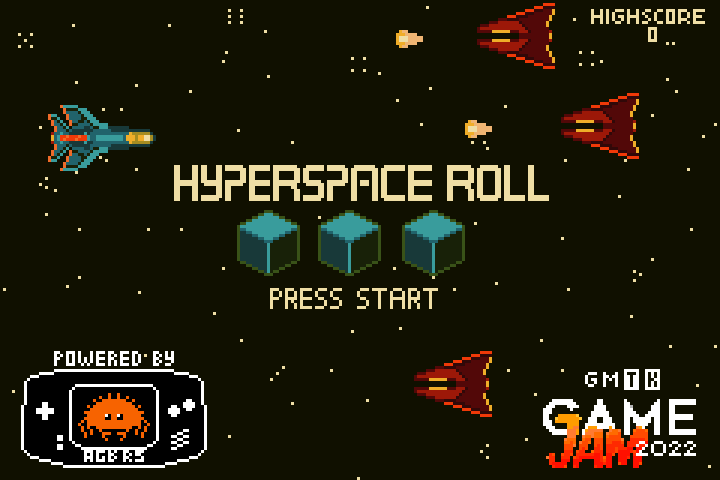
- Hyperspace Roll for the Game Boy Advance is a dice-based space battle with upgrades between fights. Watch the enemy's charge bar: a quick shield often beats a perfect roll.
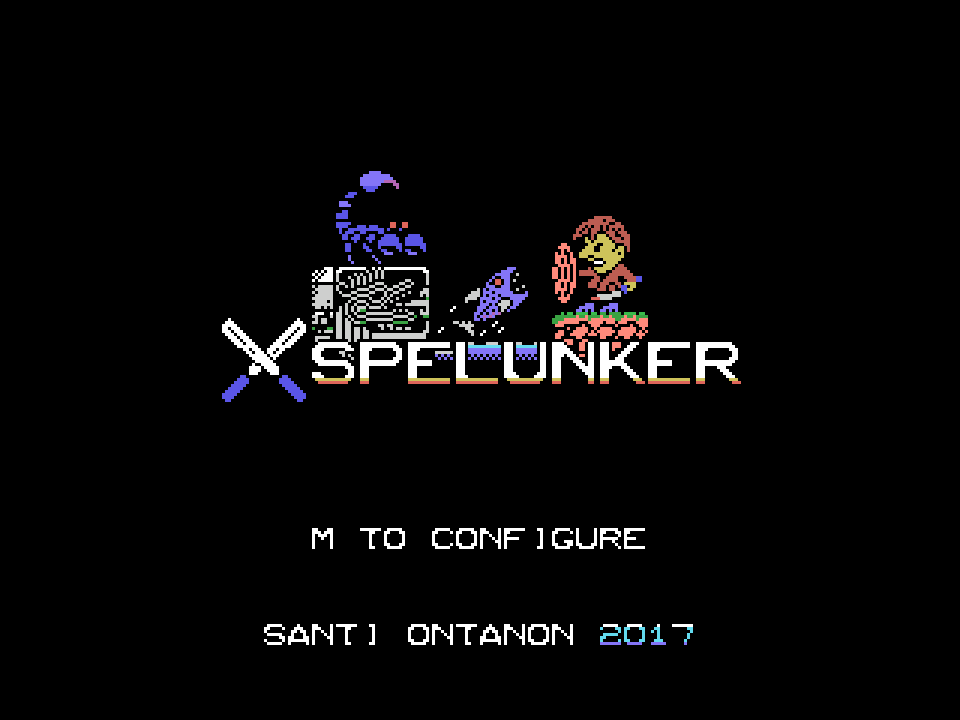
- XSpelunker for the MSX is a cave-diving platformer whose levels are built anew every game. Crouch to look further down before you drop, and keep bombs and ropes in stock.
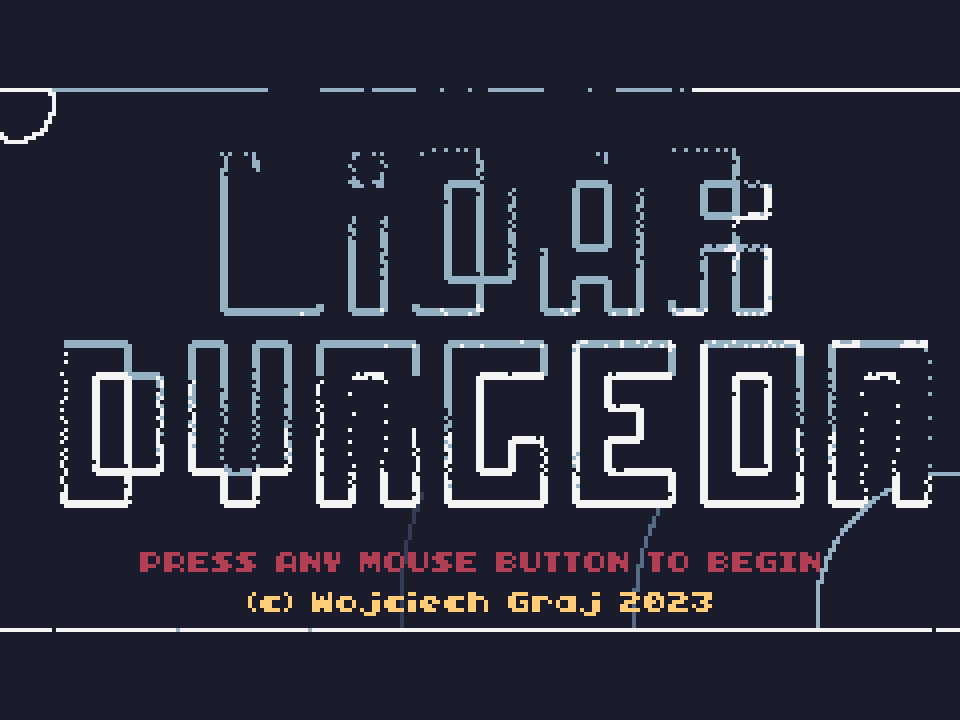
- LiDAR Dungeon for the TIC-80 is a bullet-hell roguelike in total darkness, where your laser scanner is the only way to see walls and enemies. It needs a mouse.
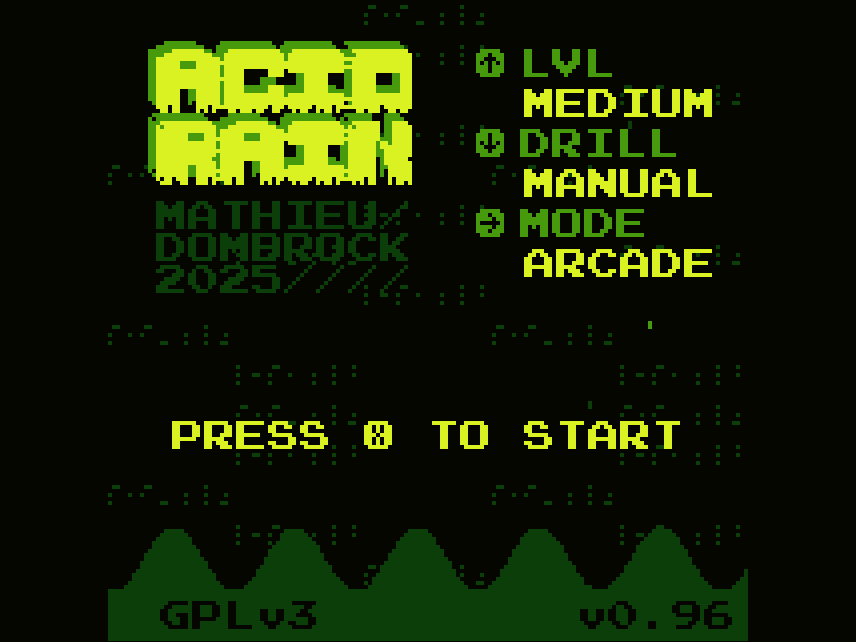
- ACID RAIN for the WASM-4 asks you to drill down to the exit before acid rain dissolves your cover. Dig under the surface rather than across it, and watch the drill's heat gauge.
Two browser games made for the js13kGames competition belong here too. Bounce Back is a top-down roguelite with a boomerang, in which the coins you collect survive death and buy upgrades for the next run. Norman the Necromancer has you raising fallen villagers as skeletons and buying rituals between levels. Both are on the browser games page, and our guide to browser games and js13kGames tells their story.
The full list of games tagged as roguelikes is always on the roguelike genre page.
How saving works in these games
Roguelikes save so you can stop, not so you can undo. On FredyGames, NetHack and Slash'EM run in DOSBox, and their save file lives on the emulated PC's disk; our guide to free classic DOS games explains how to keep it in your browser between visits. Brogue and HyperRogue are compiled for the browser and keep their saves and high scores in your browser's storage. The console games use the save features of their players, described in playing retro games in your browser.
On the emulated consoles you could, in principle, use F2 and F4 to take and restore snapshots. Nobody will stop you, but most roguelike players would say that permadeath is the point: losing a character you cared about is what makes the next one matter.
Where to start
If you have never played a roguelike, start with Brogue: press X, read the descriptions, and expect to die a few times while you learn. If you like the idea of a game that will keep surprising you for years, move on to NetHack. If you want something completely different, HyperRogue will change how you think about space. And if you only have ten minutes, Into The GarlicScape or Dungeon Deck fit a whole run into a coffee break.