
 Portugues
Roguelike 80 games
Dungeons generated anew every time, permanent death and endless replay.
No games match this filter.
-
PC
30 Seconds of Daylight
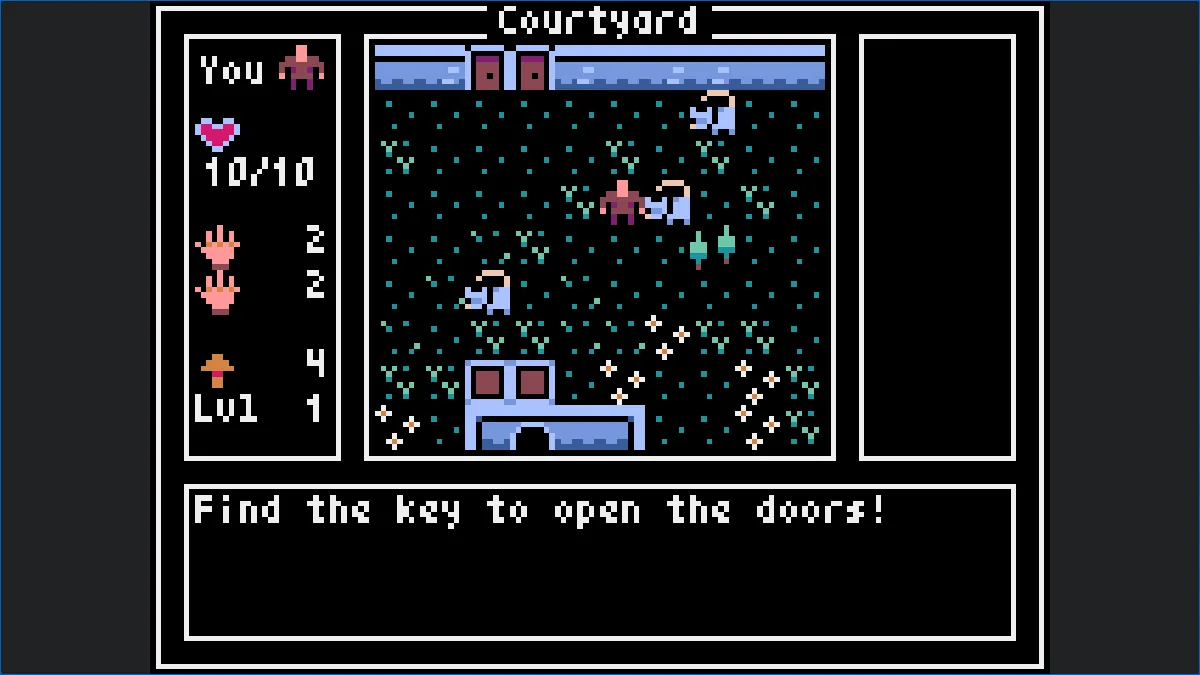
A tiny turn-based roguelike around a castle: thirty seconds of daylight, thirty of darkness, and a key to find before the monsters find you. The winner of the first Pyxel Jam.
-
WASM-4
ACID RAIN
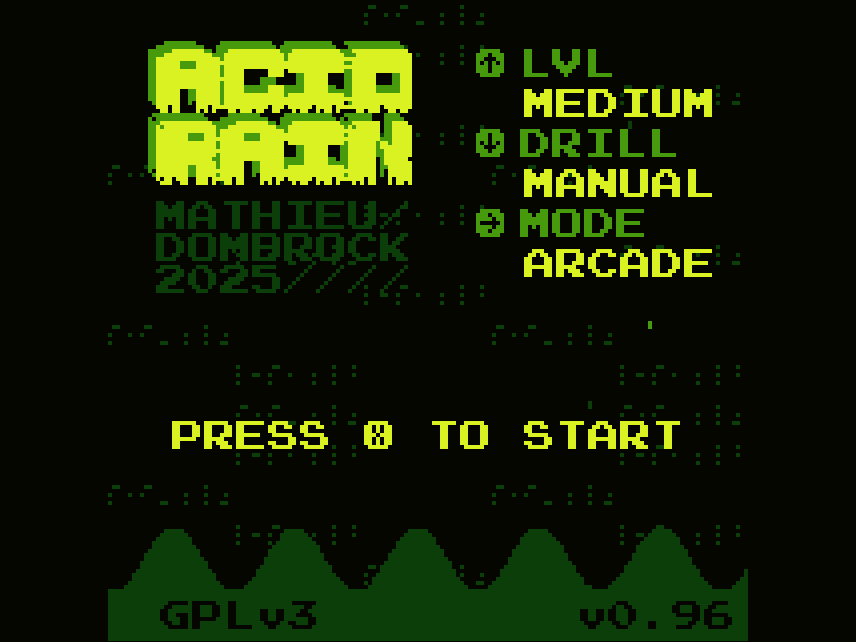
Drill down through the ground to the exit before the acid rain eats away your cover. Collect gold, dodge flies, drones and bombs, keep the drill from overheating and spend your earnings on upgrades between days. A small roguelite for the WASM-4 by Mathieu Dombrock.
-
Browser games
Amulet Raider
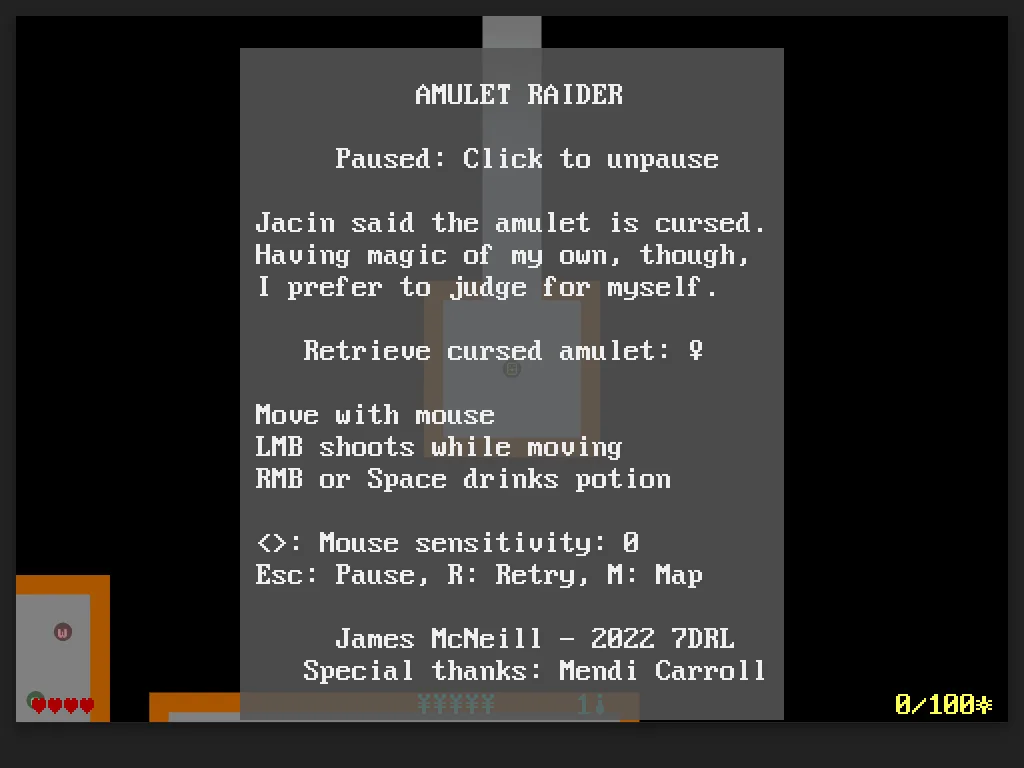
Steer a tiny adventurer through a dungeon with the mouse, shooting as you go, to bring back a cursed amulet. A real-time roguelike from the 2022 7-Day Roguelike Challenge, by James McNeill.
-
PC
Angband
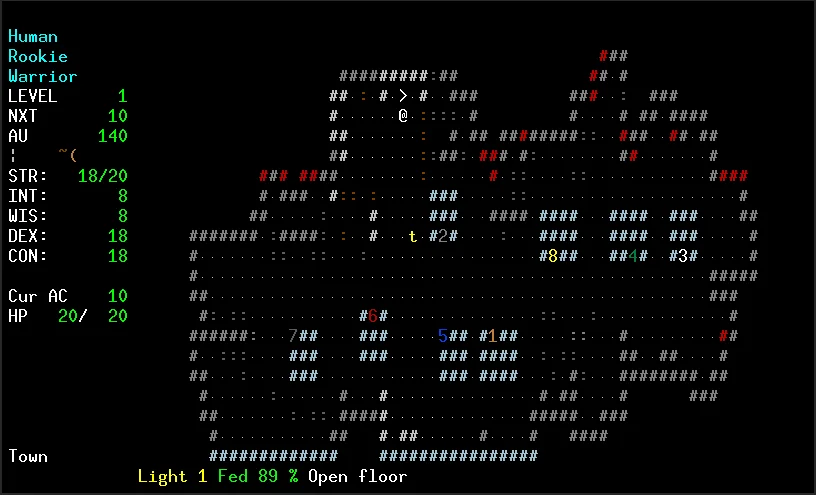
The classic dungeon crawler: create a character, buy supplies in town and go down through a randomly generated dungeon to find and kill Morgoth. Turn-based, deadly and deep, in plain text characters. Free software, version 4.2.5.
-
Browser games
Bisby's Escape
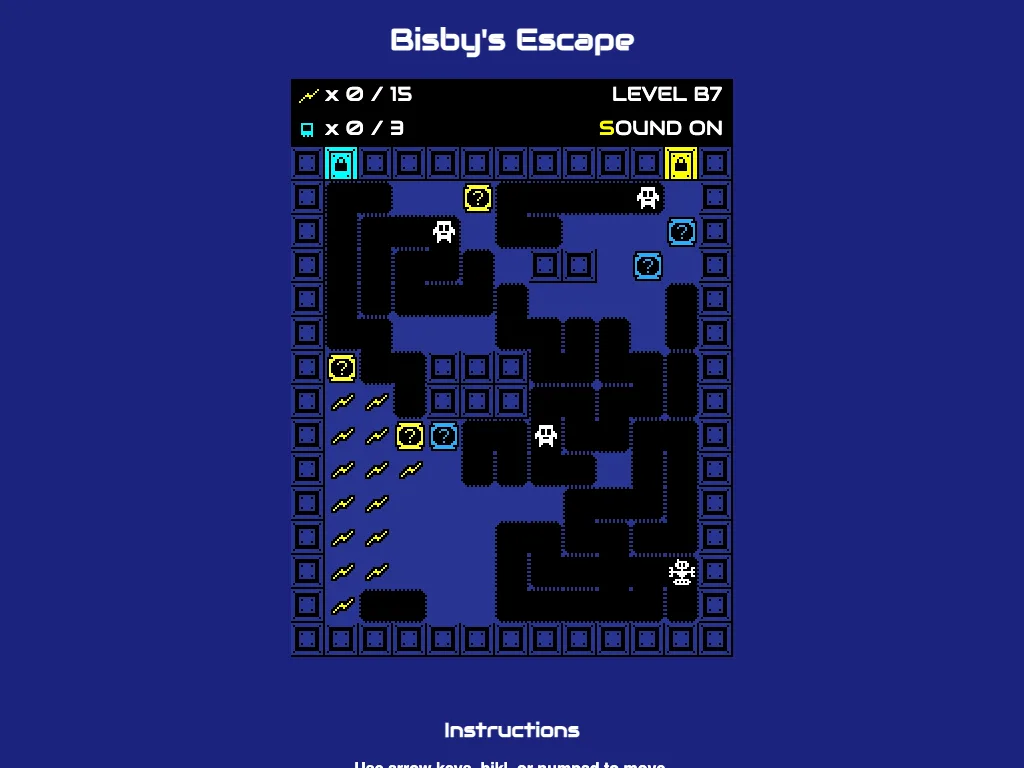
A robot miner tunnels up through seven levels of dirt, pushing crates onto enemies and hunting for energy. A turn-based Dig Dug-style roguelike puzzle from the 2016 7-Day Roguelike Challenge, by Matt Walsh.
-
CHIP-8
Black Rainbow
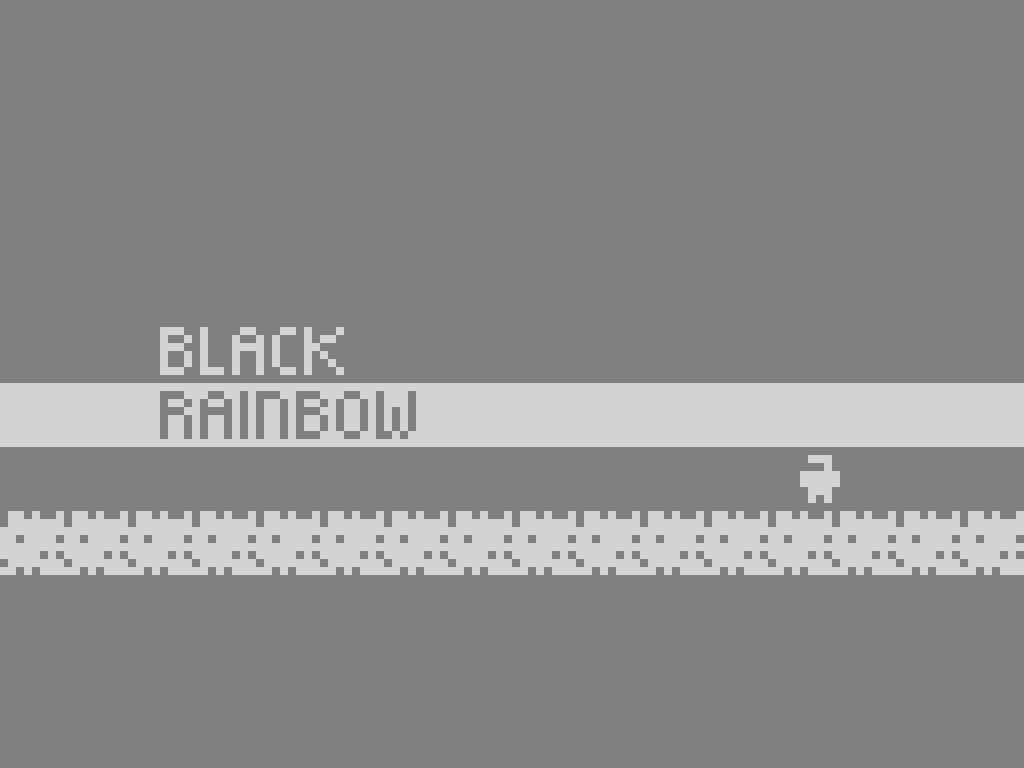
Descend into a strange, randomly built underworld of 25 rooms, dodge its odd creatures, pick up gems to win back time and find the great eye at the bottom. A short action game by John Earnest for SUPER-CHIP.
-
Browser games
Boat Journey
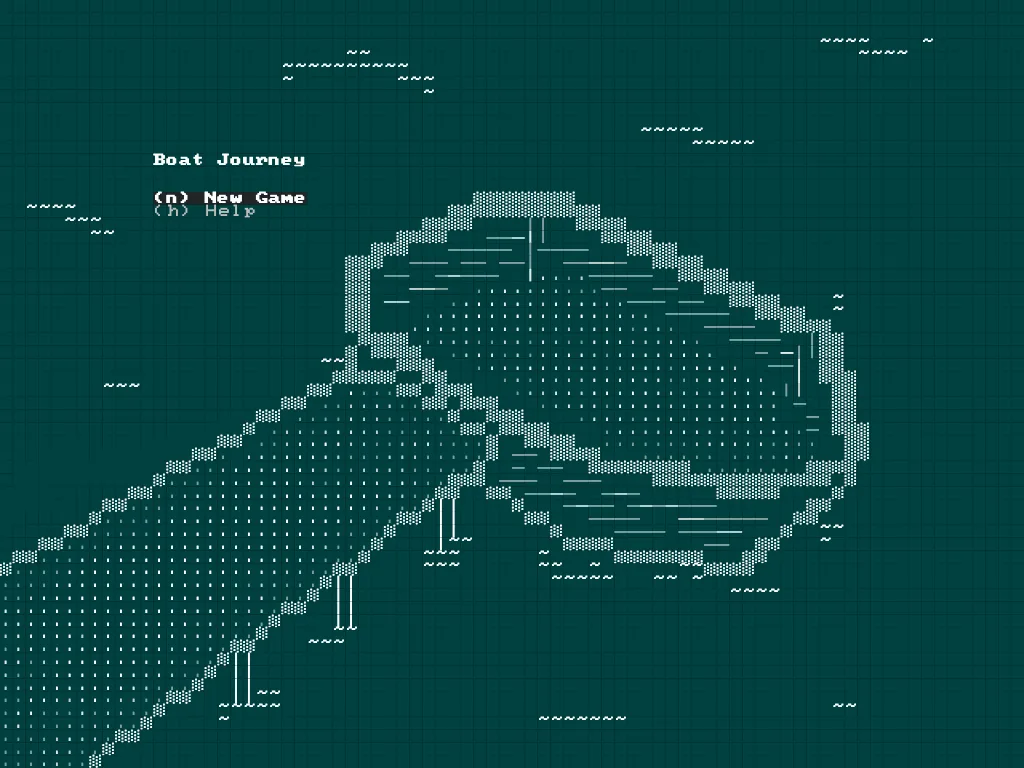
A roguelike about a boat trip to the ocean: gather passengers in a haunted island town, get back to the inn before dark and sail before the ghosts and beasts of the night catch you.
-
PC
Boohu
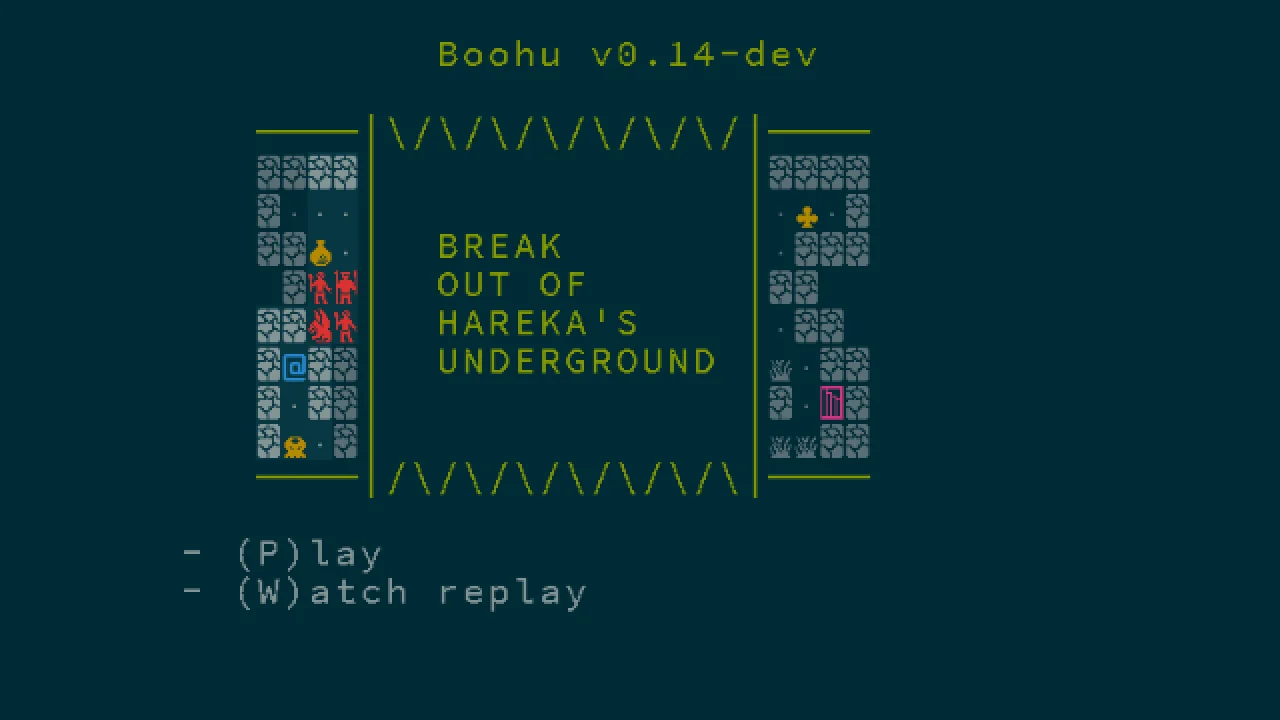
A classic coffee-break roguelike with no experience points: go down into the Underground to bring back medicinal plants, with a handful of items and aptitudes, and find the way home.
-
Browser games
Bounce Back
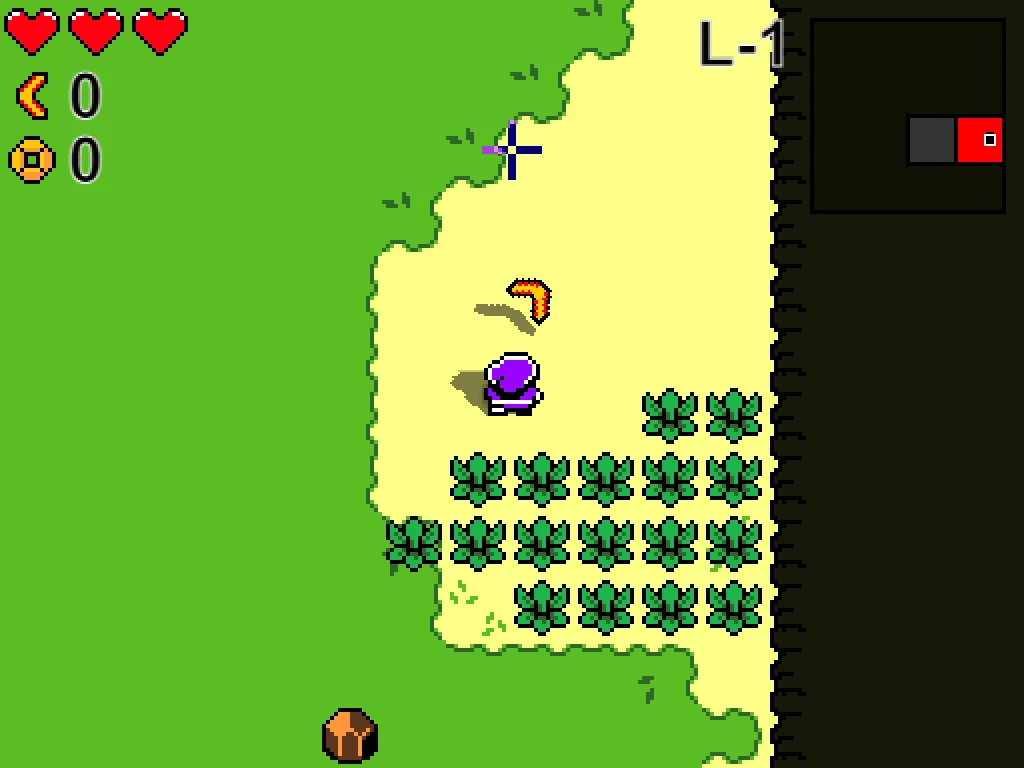
A top-down action roguelite made for js13kGames 2019: throw a bouncing boomerang through ten randomly built levels, dash past enemies, spend your coins in the shop and face the final boss, all in 13 KB. By Frank Force.
-
PC
Brogue: Community Edition
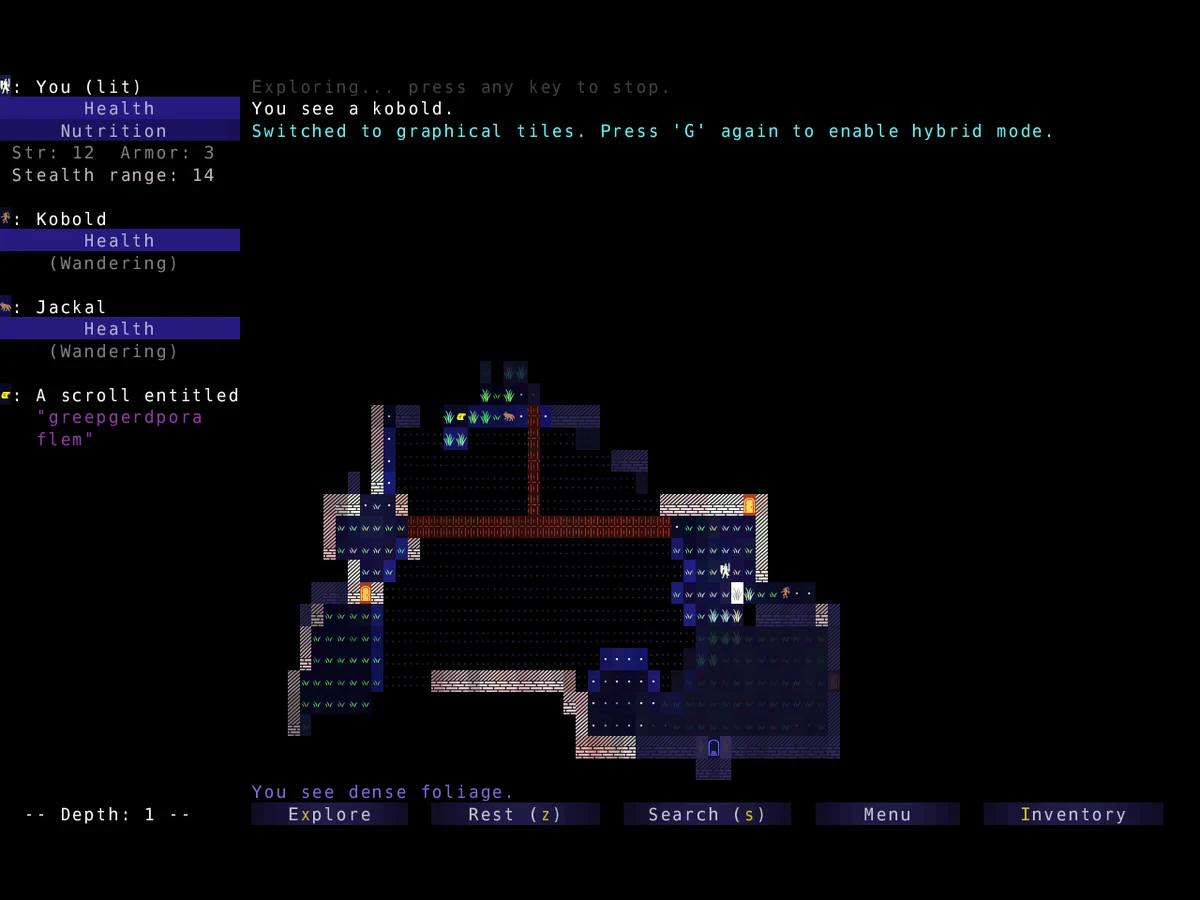
Descend 26 randomly generated levels to bring back the Amulet of Yendor. A modern classic of the roguelike genre, with simple controls, no character classes and a dungeon full of allies to free, potions to gamble on and traps to turn against your enemies.
-
Browser games
Build and Delve
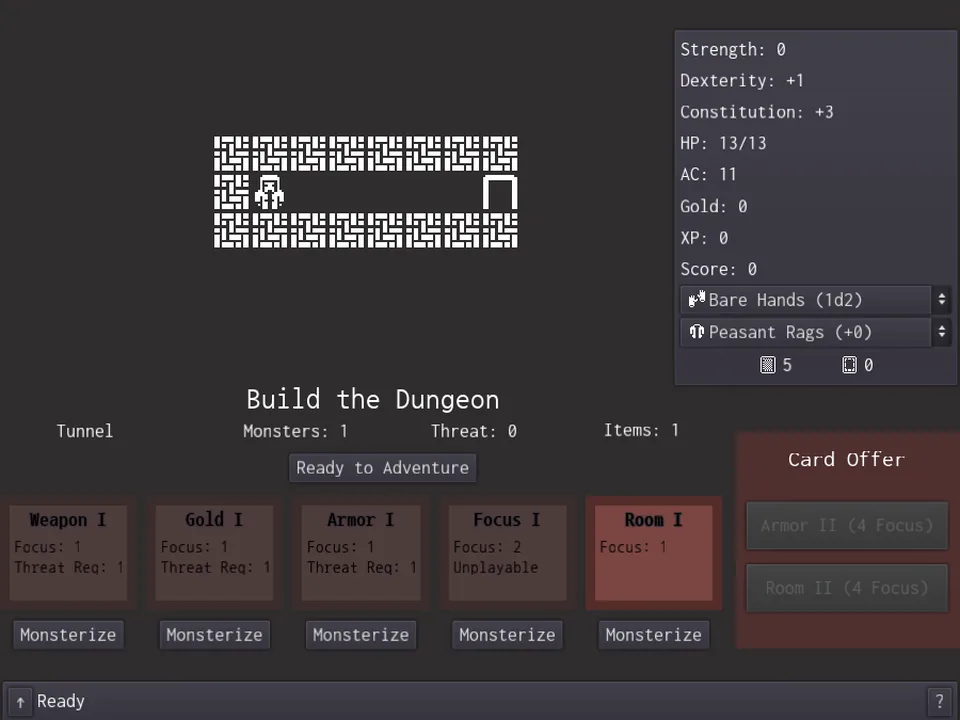
A roguelike deckbuilder made in seven days: play cards to build the dungeon room by room, then walk into it and fight what you built. Free software by Paul Gestwicki.
-
PC
Cataclysm: Dark Days Ahead
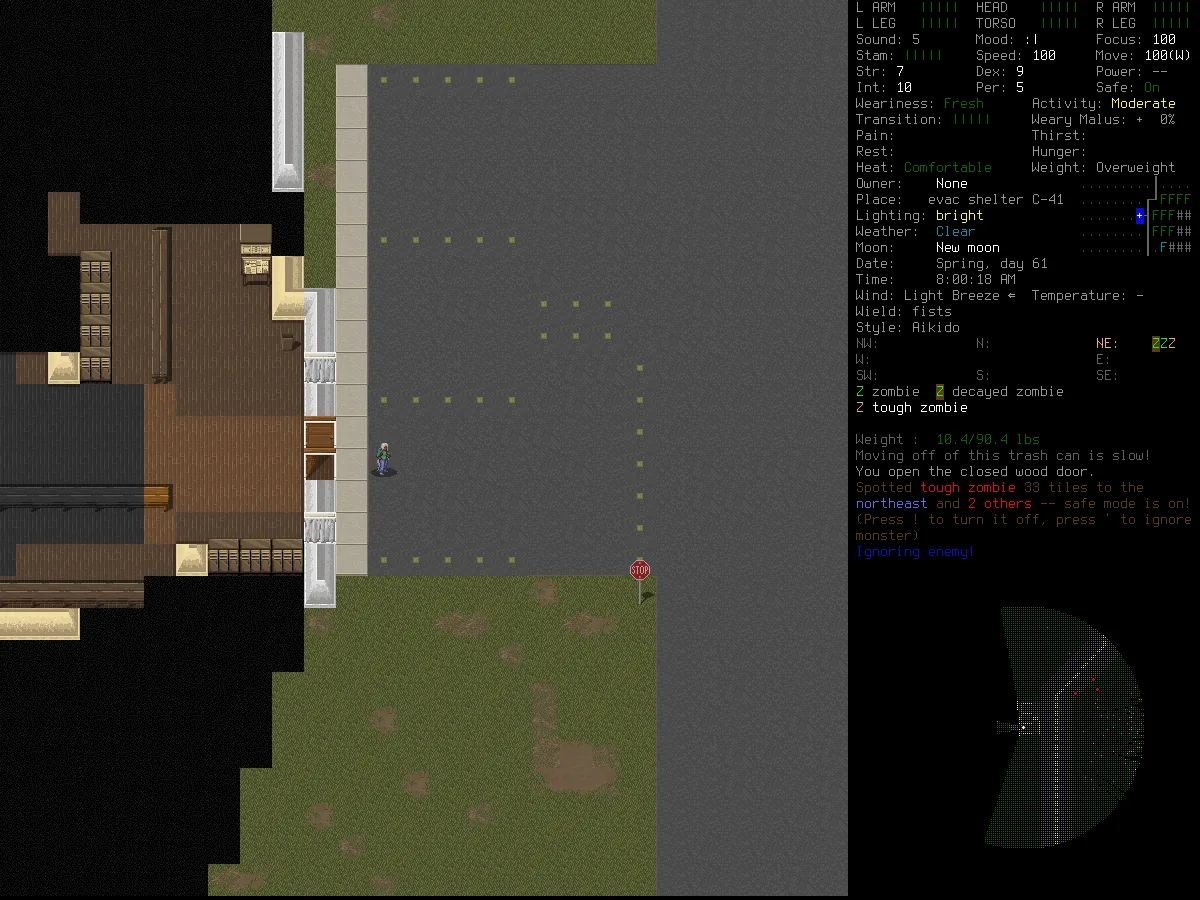
Survive the end of the world in a huge, open-ended zombie roguelike. Scavenge a ruined New England, craft tools and weapons, build a base, drive cars and learn to stay alive one turn at a time.
-
PC
Chessamphetamine
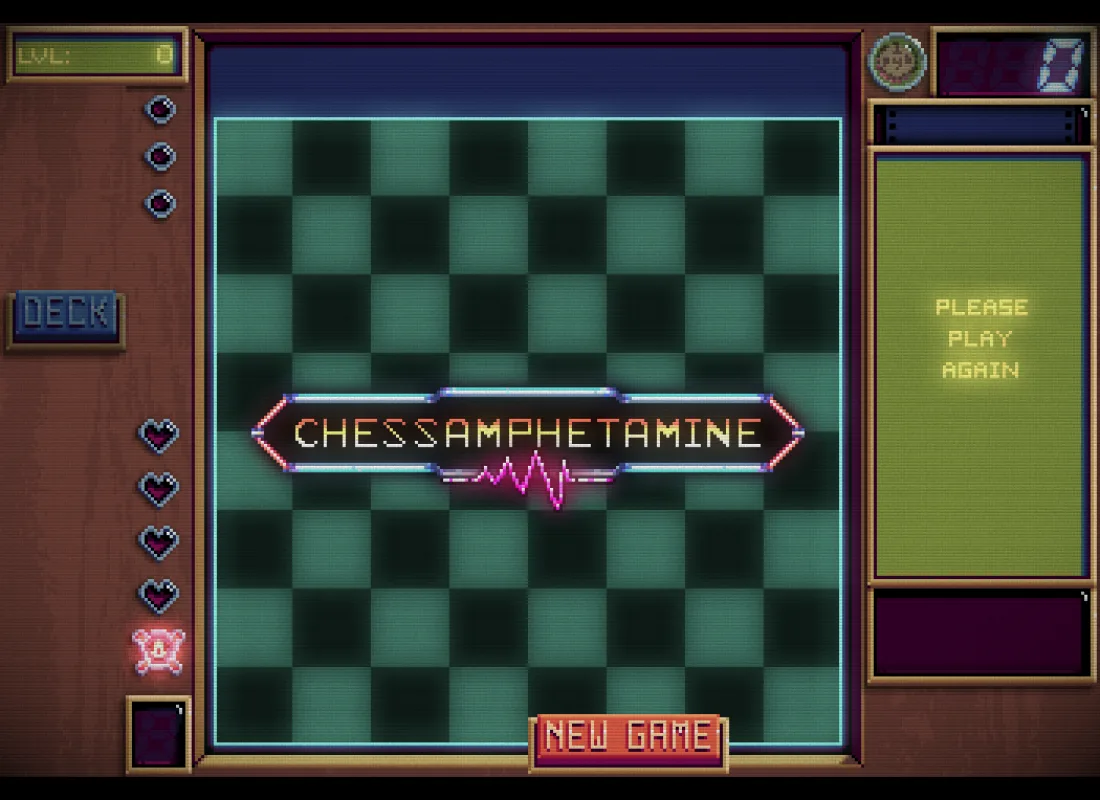
A chess roguelike: draft an army from your own deck of pieces, send it into battle against a computer army, then use your winnings in the shop to improve the deck for the next, harder board. Lasers, rockets and pieces that earn money join the usual chessmen.
-
Browser games
Crypt of Grimwin
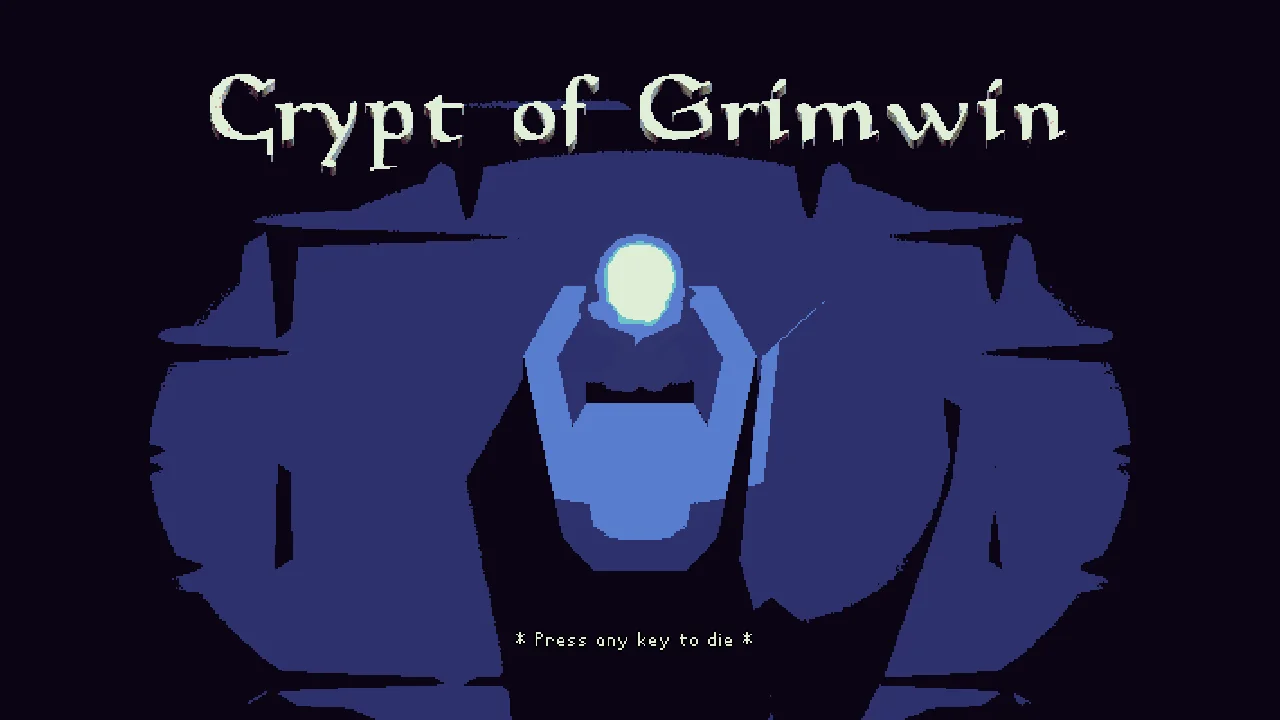
A 7-day roguelike about a cursed spirit: slip into the bodies of grave robbers, skeletons and relatives, use their strengths in fights and puzzles, and find the family member who cursed you.
-
Browser games
Cursed Souls: Giovanni's Orchestra
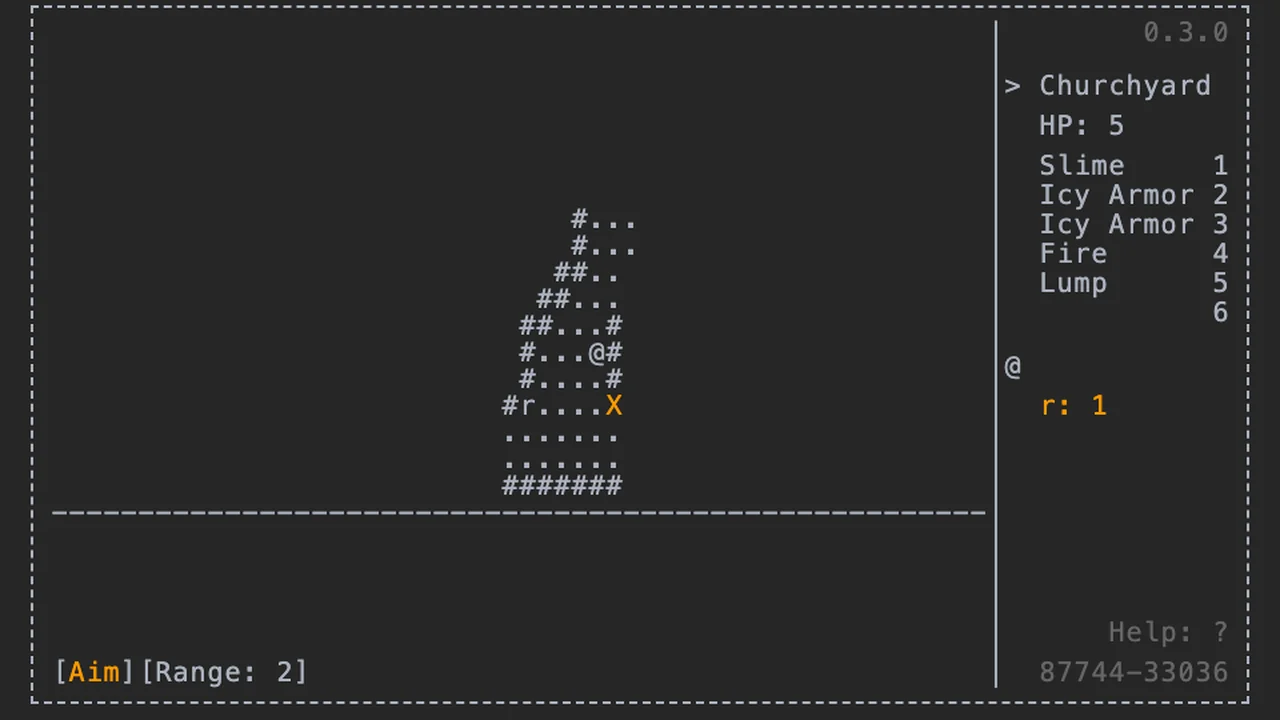
A text-mode roguelike in a haunted churchyard where your health is a stack of magic orbs: pick the right orb for each fight, avoid curses, and beat a boss on each of the three levels.
-
Browser games
Dark Light
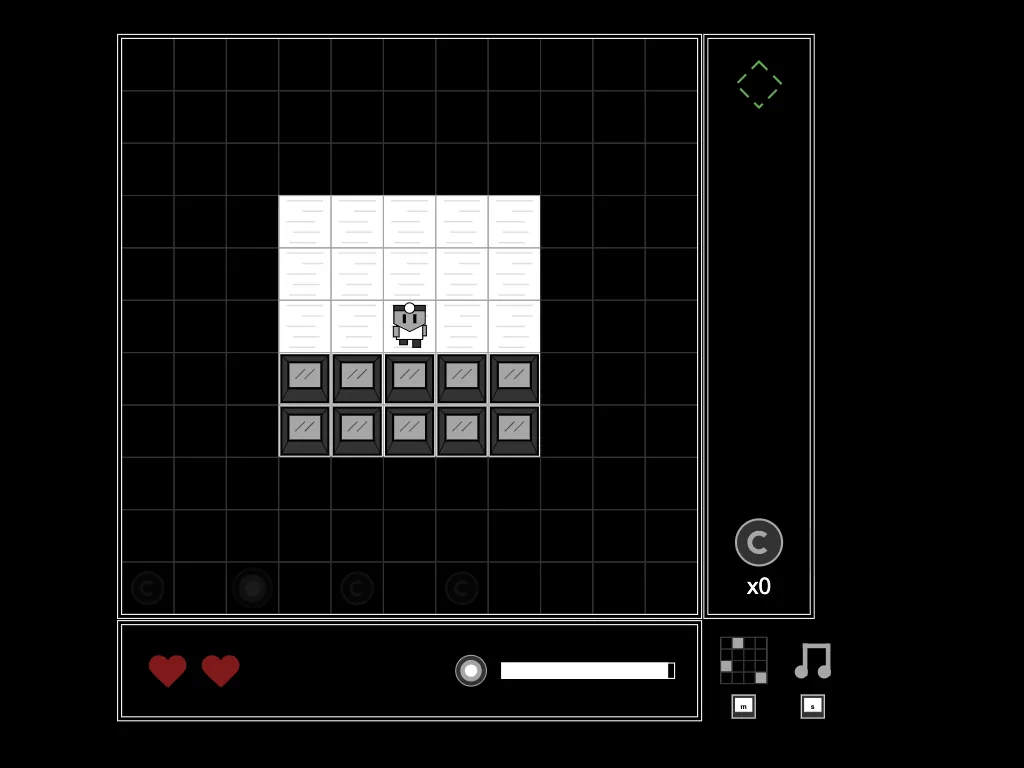
A stealth dungeon crawler where light is a resource: sneak through four floors of randomly made mazes with a lamp, find the gems, spend coins in hidden shops and bring your love back. Made for js13kGames 2020 by Shex.
-
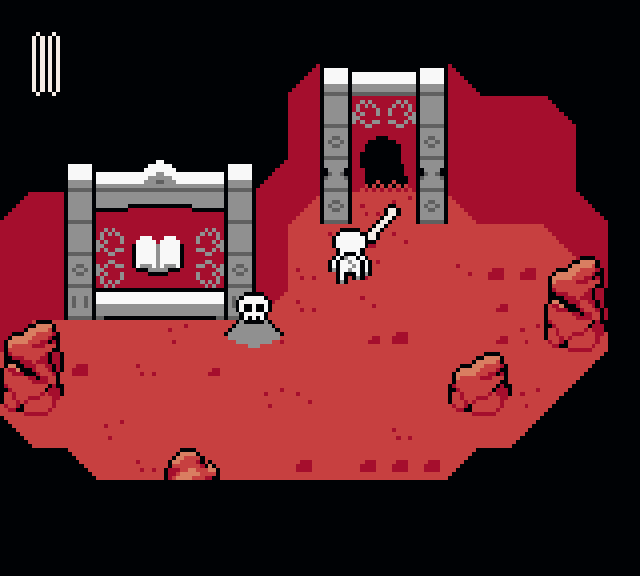
Game Boy
Dead Dungeon
Fight your way down a dungeon, level up, sharpen your skills and take on the final boss. A top-down roguelite in red and bone, made in GB Studio for a Game Boy game jam, for the Game Boy Color.
-
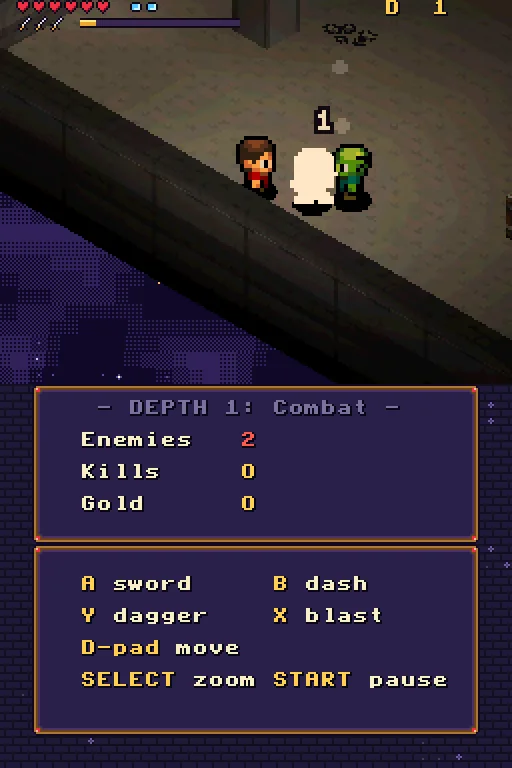
Nintendo DS
Delve
An endless descent: an action roguelike for the Nintendo DS. Fight through isometric rooms, pick a boon after every fight, choose your next door by its reward and spend your gold on permanent upgrades at the camp. A free homebrew game by Michal Pandyra.
-
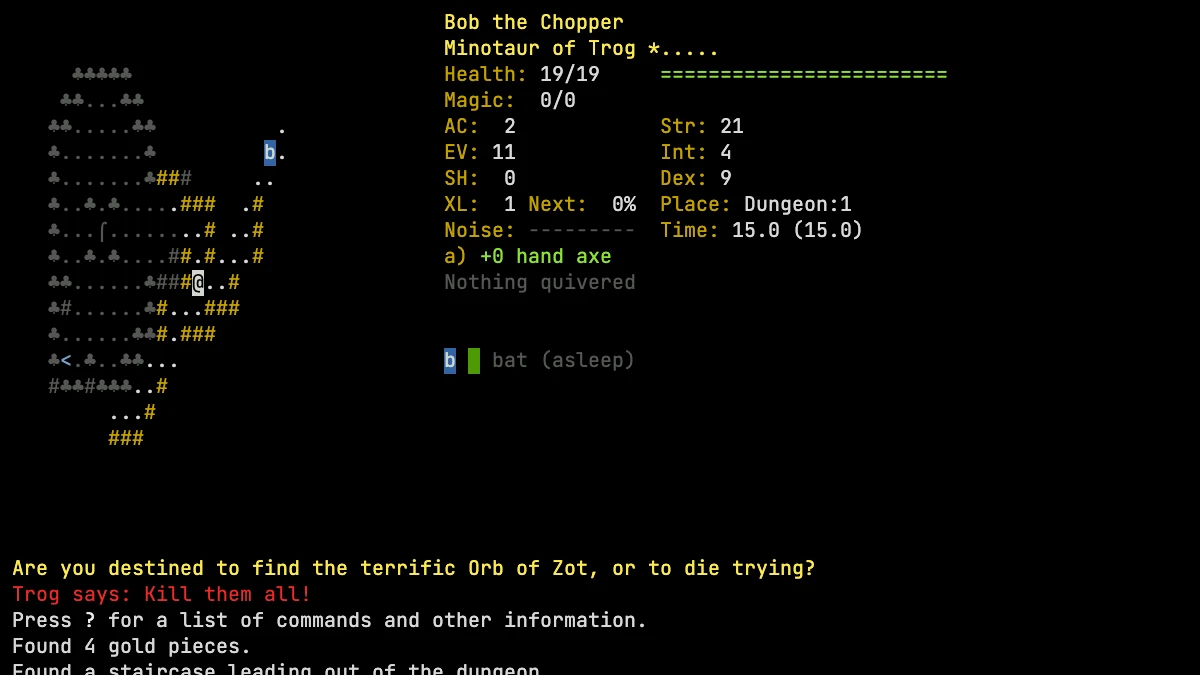
PC
Dungeon Crawl Stone Soup
One of the best-known open-source roguelikes: pick from 27 species and 26 backgrounds, descend into a randomly built dungeon full of monsters, gods and branches, collect three runes and bring back the Orb of Zot. Turn-based, with permanent death. Text version, by the DCSS team.
-
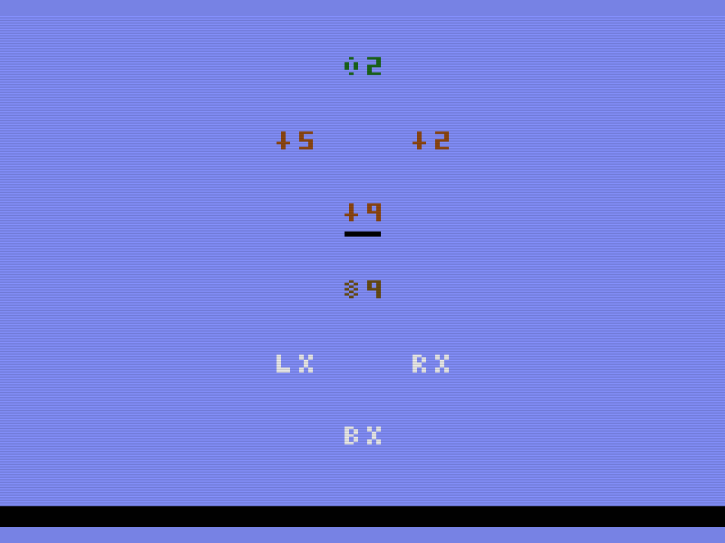
Atari 2600
Dungeon Deck
Fight your way through a shuffled 45-card dungeon of monsters, swords, shields and potions, keeping your hit points above zero. A card-based dungeon crawler for the Atari 2600 by Joshua Pierre Bourgeot.
-
Browser games
Echo Chamber
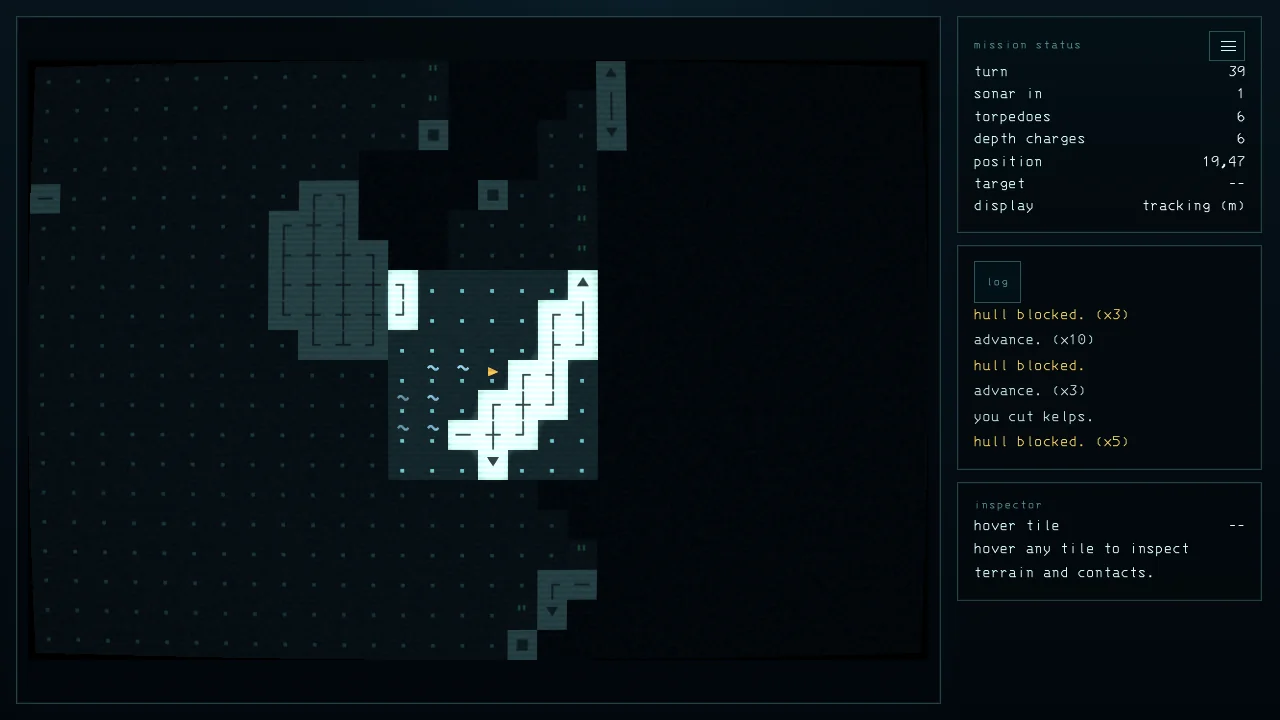
A stealth submarine roguelike told through sonar: you cannot see the cavern, so you steer by pings, fire a handful of torpedoes and try to reach the capsule at the end of the dark.
-
Browser games
Electric Organ
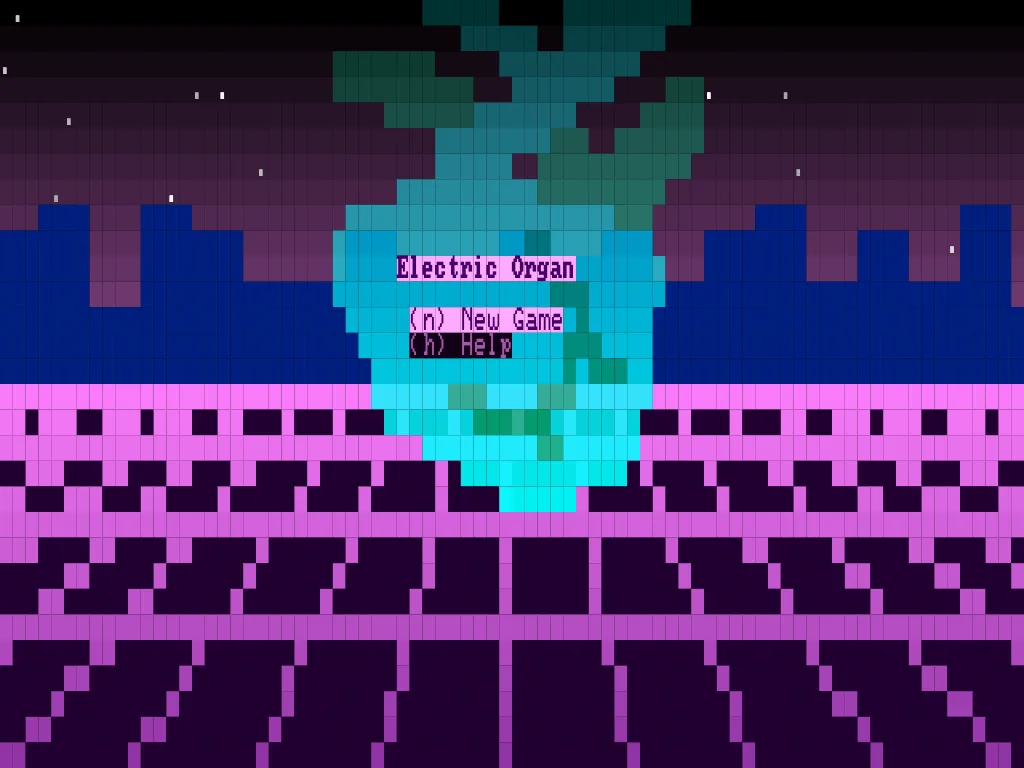
A body-horror roguelike set in a corrupted city: swap your organs for better ones, fire weapons grown into your own body and ride the elevators to destroy the Corruptor.
-
Flash
Ending
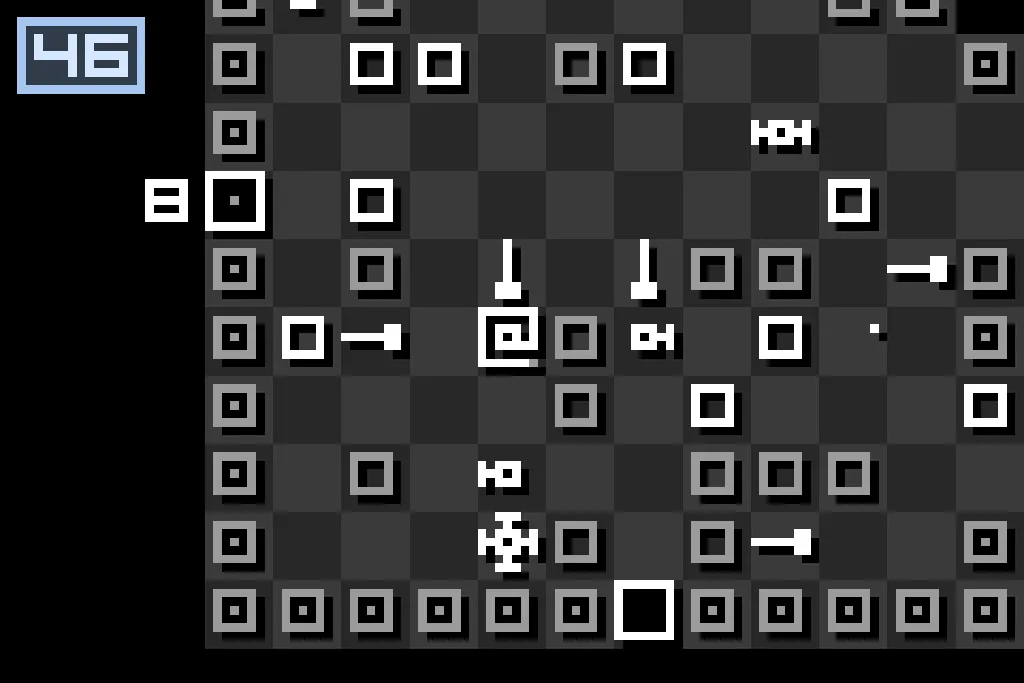
A turn-based puzzle roguelike about movement and death: step through small rooms, dodge and outlast the things that hunt you, while a food clock counts down every step.
-
WASM-4
Escape Guldur
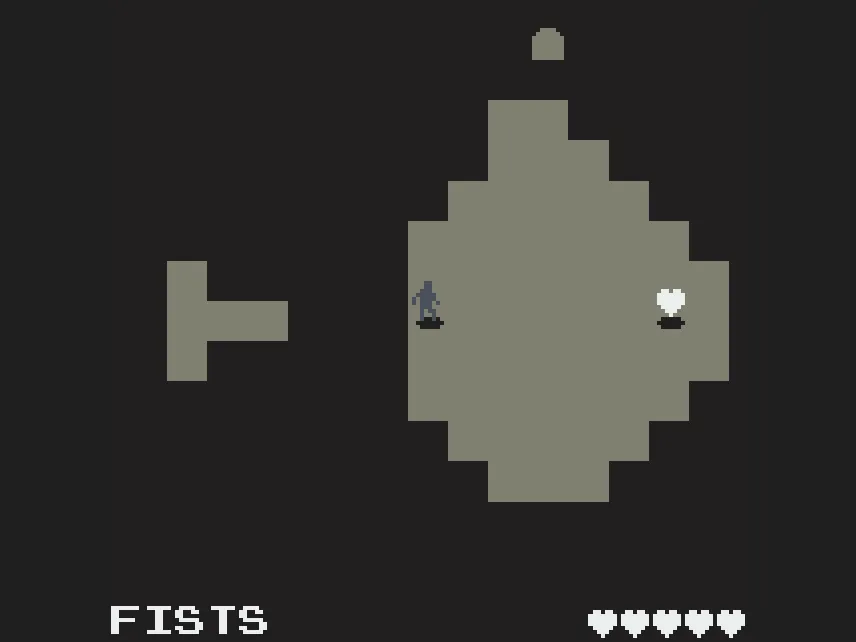
Find the way out of a dark fortress, six levels of turn-based fights with fists, swords and axes, in a minimalist retro action RPG for the four-colour WASM-4 console by Chris Heyes.
-

PC
Fujo
A small turn-based dungeon crawl: a young temple maiden kidnapped by monsters has one unknown spell, a lot of unidentified paper charms and no way back after dying. Explore the caves, eat, fight, throw things and warn the village.
-
Browser games
Furball Catacombs
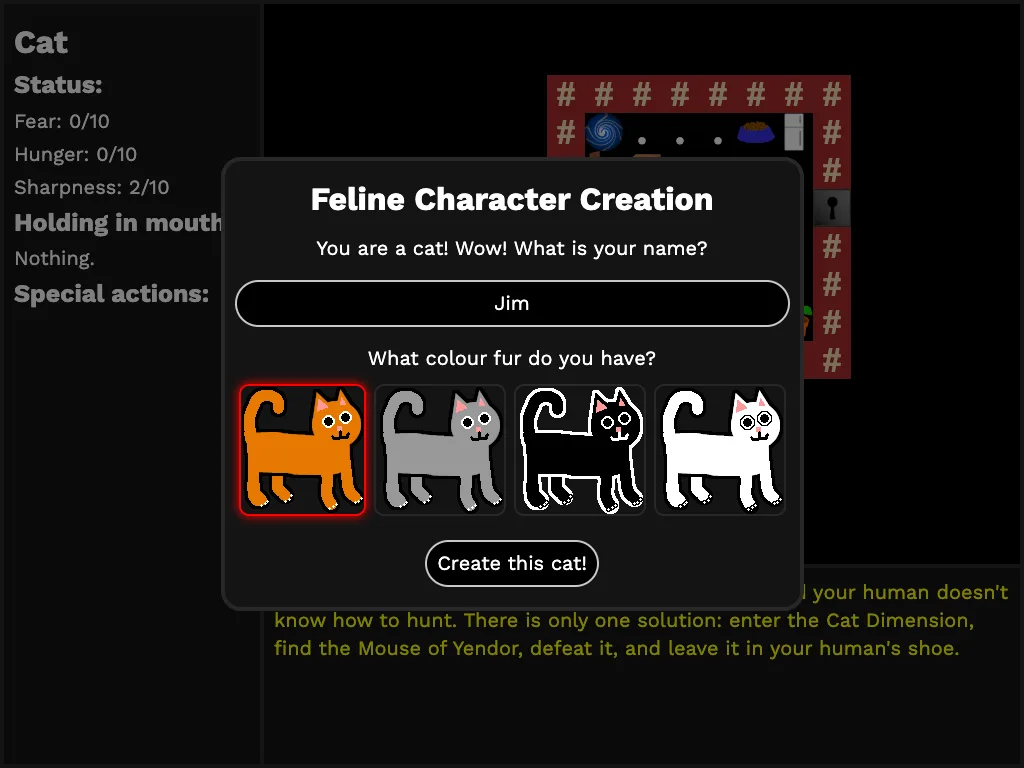
You are a cat, and your human cannot hunt. Wreck the house, step through the mystic portal and find the Mouse of Yendor in the Cat Dimension. A cat-themed roguelike from the 2021 7-Day Roguelike Challenge, by Lauren Hetherington.
-
Browser games
Furniture: Screws and Blood
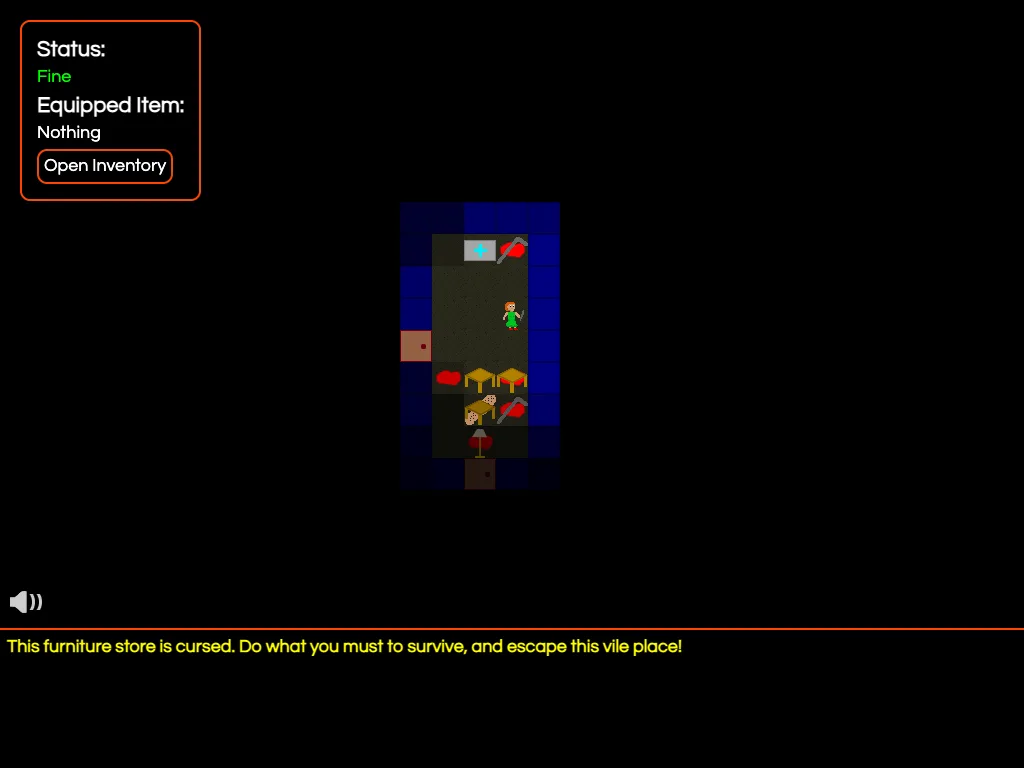
A furniture store has turned cursed, the exits are gone and the chairs want you dead. Fight, run and blow doors open through eight floors of a real-time horror-comedy roguelike by Lauren Hetherington, from the 2023 7-Day Roguelike Challenge.
-
WASM-4
Galdr
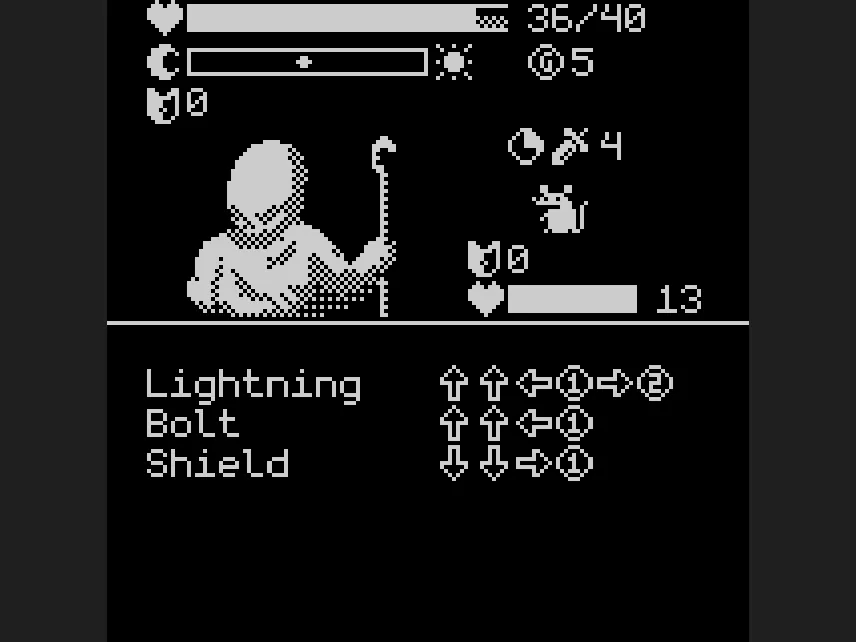
A realtime roguelike where you fight by entering spell sequences on the D-pad and buttons, then pick your way across nine areas and more than forty events. A WASM-4 game by Jonathan Derque.
-
Browser games
Get Well Soon
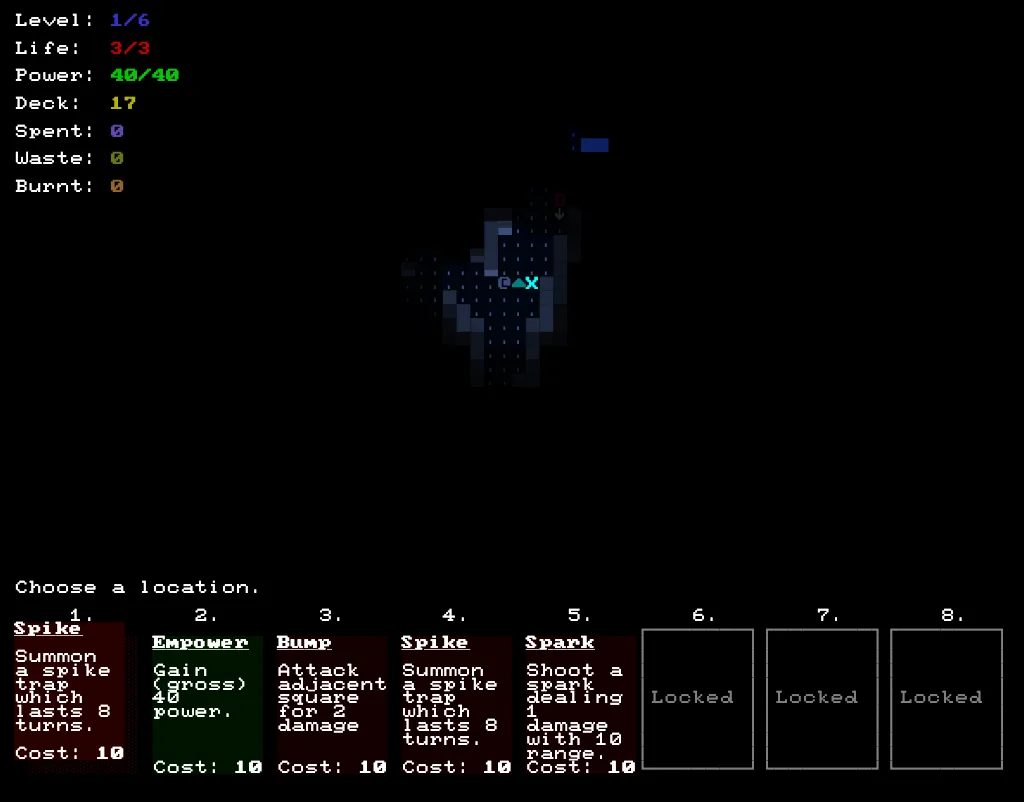
A deck-building roguelike in a frozen cave: your moves and your spells are cards that cost power, and when your power runs out your hand is gone. Descend six levels in search of a cure.
-
PC
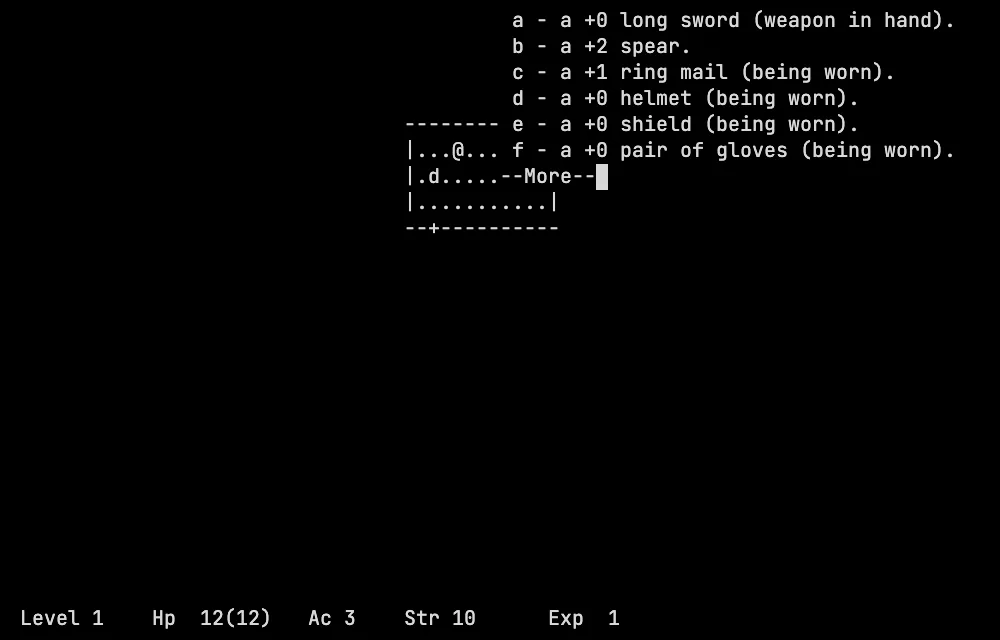
Hack
The 1980s dungeon crawler that came right after Rogue and that NetHack grew out of: pick a hero, bring your little dog down through the levels in search of the Amulet of Yendor, shop, fight and starve. Hack 1.0.3, in the browser.
-
PC
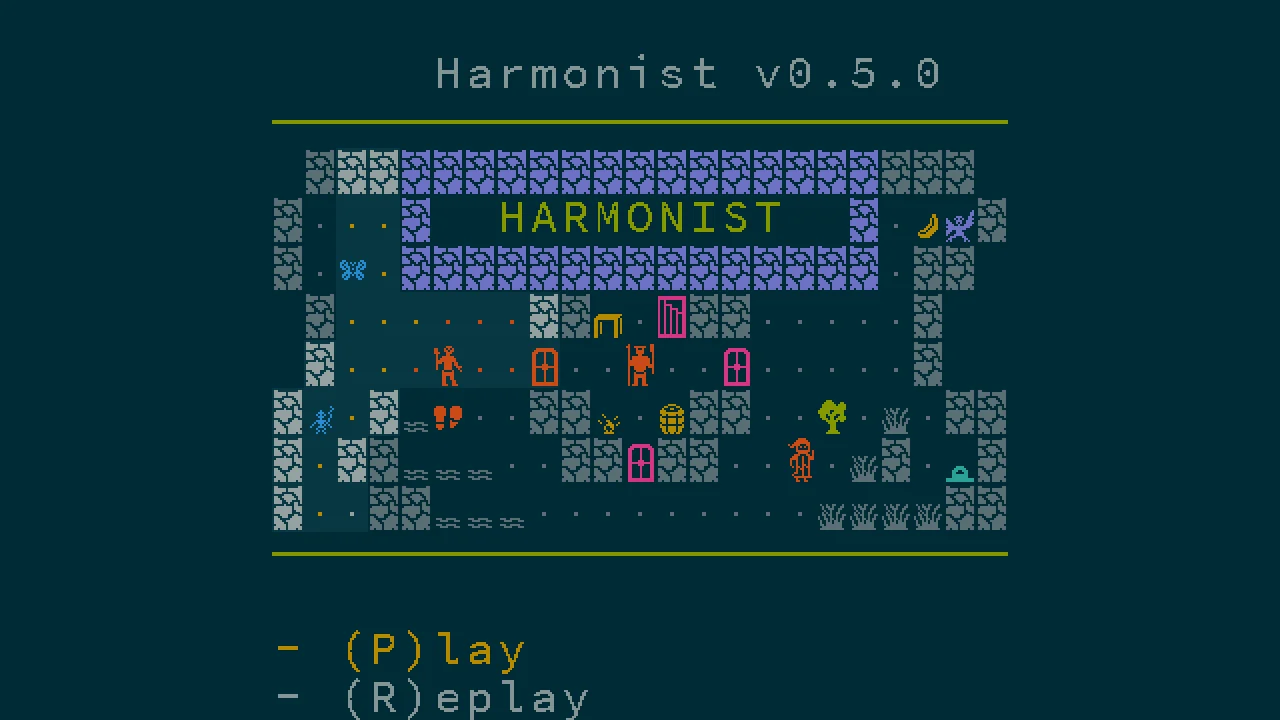
Harmonist
A stealth roguelike: sneak through the underground hideout of the Dayoriah Clan as a small monkey, using light, noise and the monsters' cones of view, to free your friend on the eighth floor.
-
Browser games
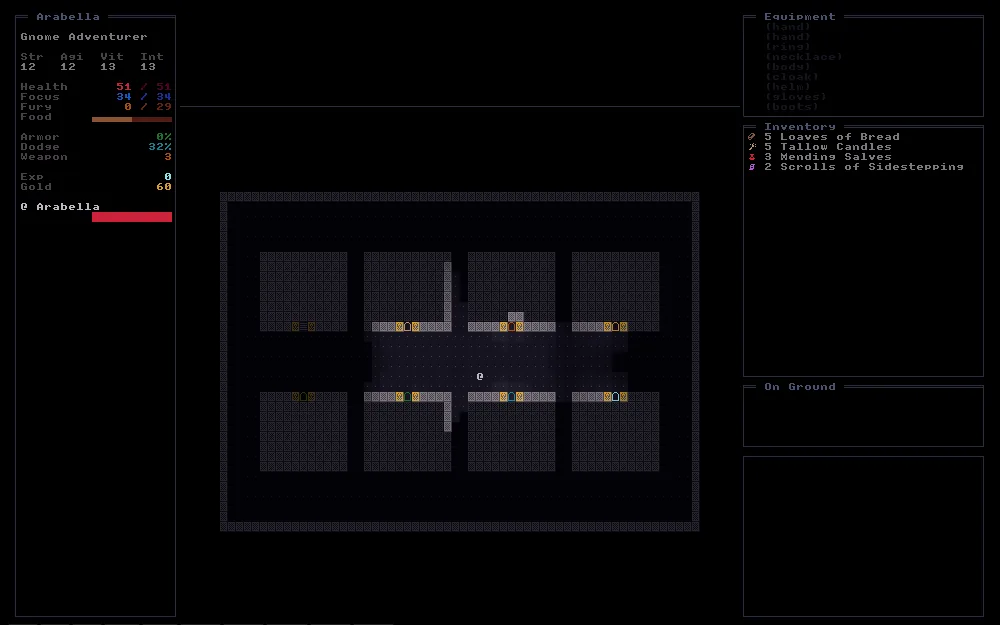
Hauberk
A classic ASCII roguelike in your browser: pick a class, dive through procedurally generated dungeons, fight monsters, collect loot and spend experience on skills. By the author of Crafting Interpreters.
-
PC
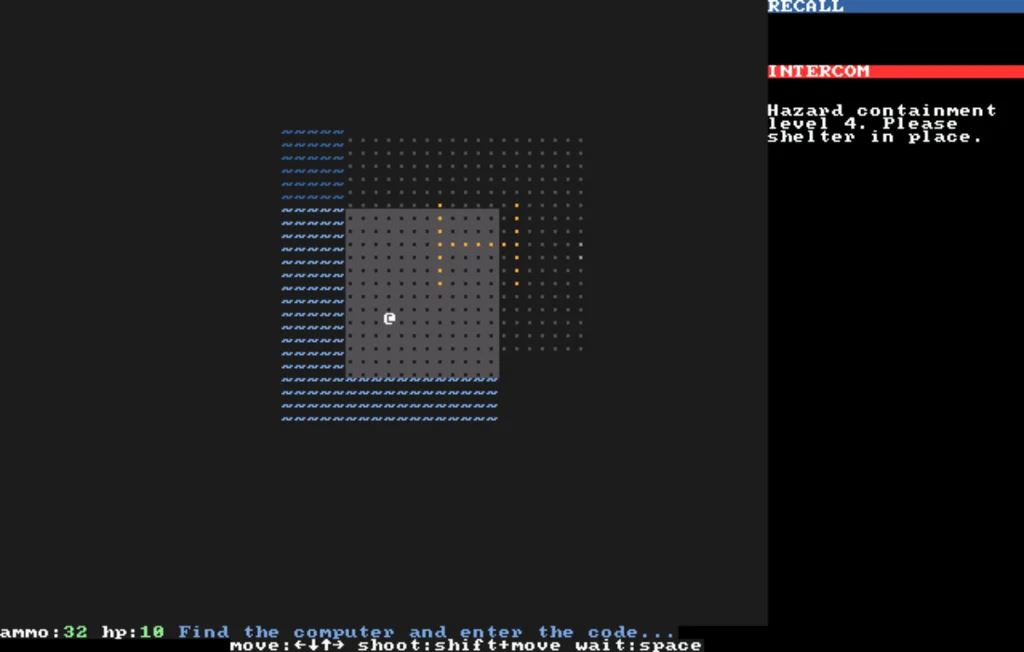
Hazard Level
A short horror roguelike set in a research site that has just lost containment: find a working computer, trigger the self-destruct, and get out. Careful, turn-based, and the text is full of blacked-out secrets.
-
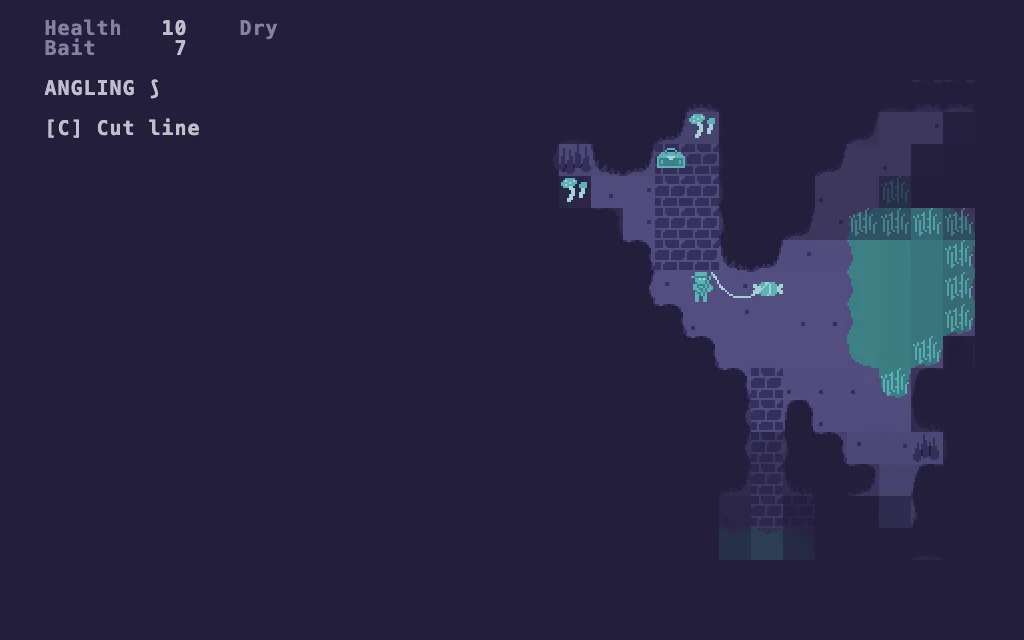
Browser games
Hook, Line, and Spelunker
A cave roguelike where your only weapon is a fishing rod: cast a lure, let the monsters come to eat it, and strike while they are busy. Three levels of piranhas, alligators and snails stand between you and the surface.
-
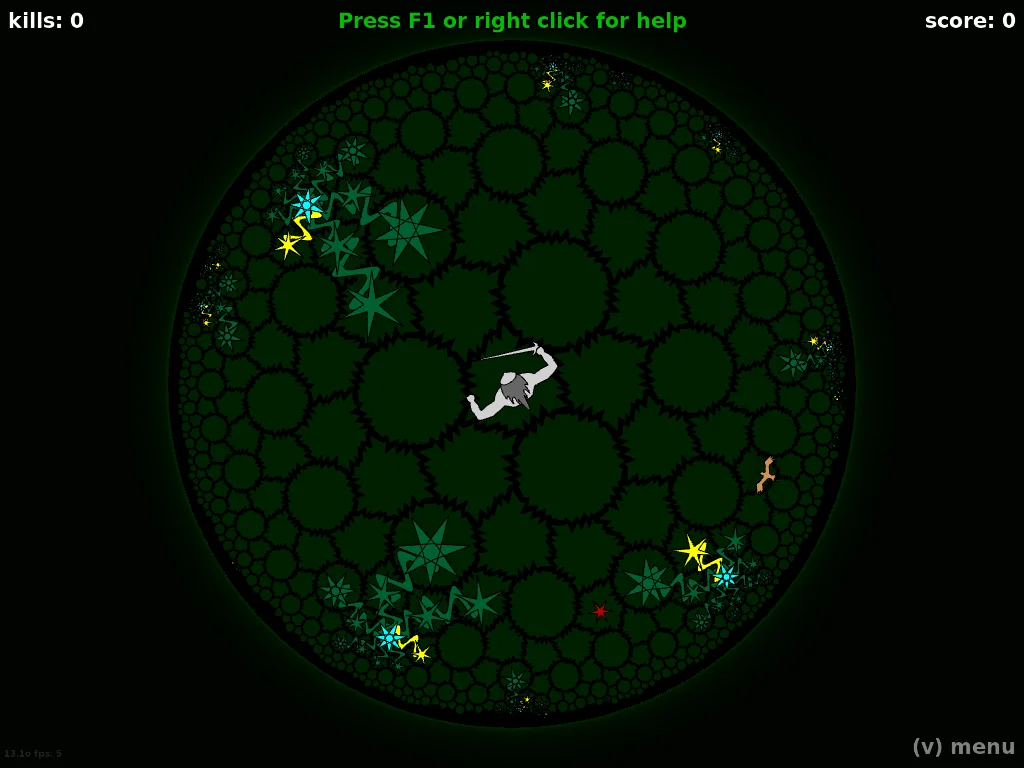
PC
HyperRogue
A turn-based roguelike played on a hyperbolic plane, where the world branches out so fast that you can never walk back the way you came. Grab treasure across dozens of strange lands, outwit the monsters it attracts, and look for the Orbs of Yendor.
-

Game Boy Advance
Hyperspace Roll
A dice-rolling space roguelike for the Game Boy Advance: reroll your dice to line up shots, shields and combos before the enemy ship fires, then upgrade their faces after every victory. How many levels can you survive? A free jam game by the makers of agb.
-
CHIP-8
Into The GarlicScape
A tiny turn-based dungeon crawl: gather fifteen garlic bulbs across randomly built floors, squash moths, dodge roaches and hug llamas to heal. An XO-CHIP game by John Earnest, made as a template for Octojam 7.
-
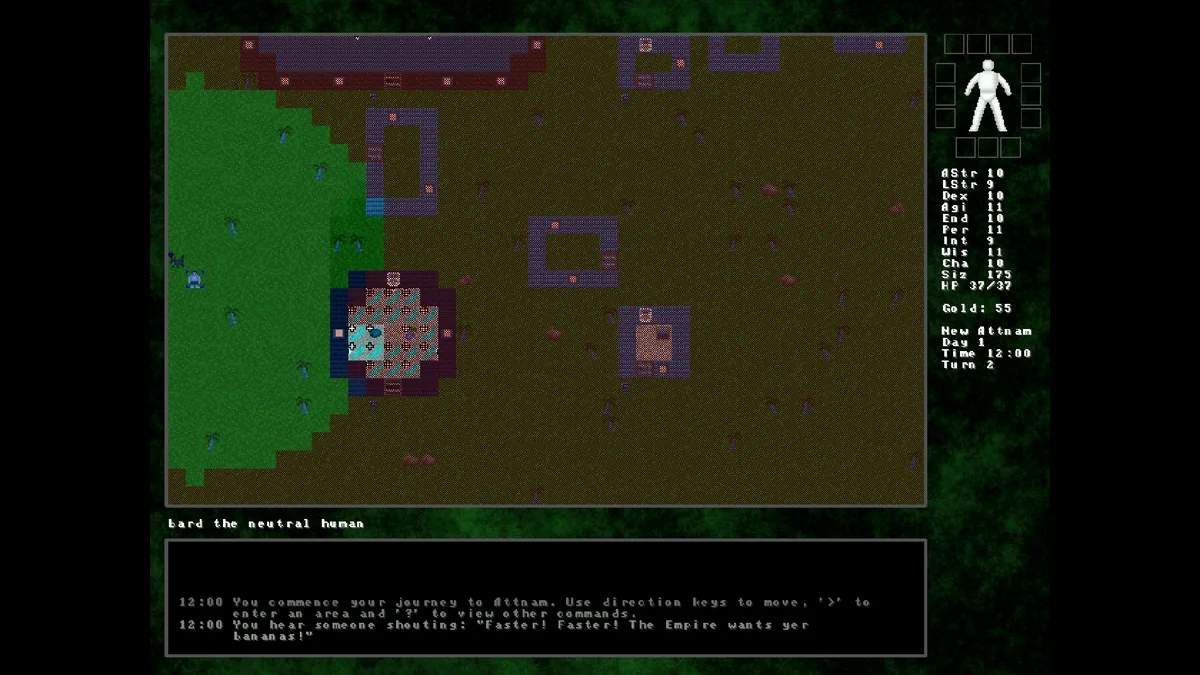
DOS
IVAN
Iter Vehemens ad Necem, "a violent road to death". A graphical roguelike where every creature has separate body parts that can be wounded, lost and replaced, and every item is made of a material that matters. Version 0.50 for DOS.
-
PC
Killing Orcs with a Sword
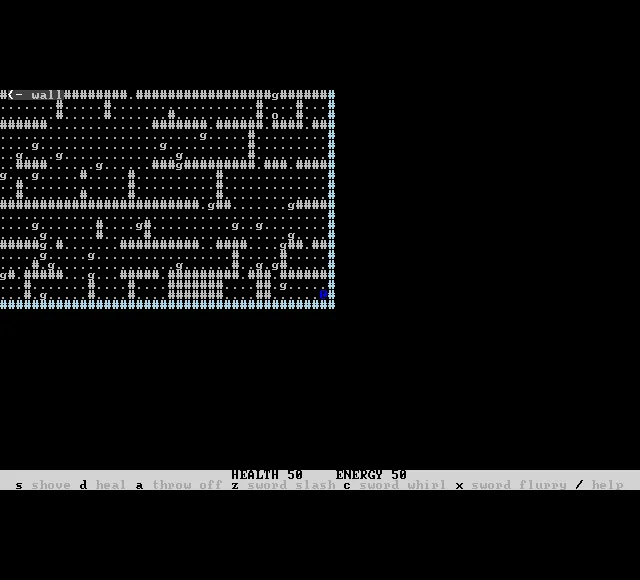
You have a magic sword and a mission: defeat the orc lord. A quick melee roguelike built around energy moves and rounds you want to replay one more time.
-
PC
LambdaHack
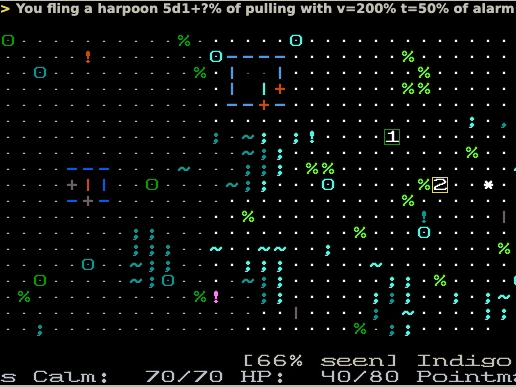
A turn-based dungeon crawler in text characters, written in Haskell: lead a small party through spooky levels, sneak, fight and use everything you find. Free and open source.
-
TIC-80
LiDAR Dungeon
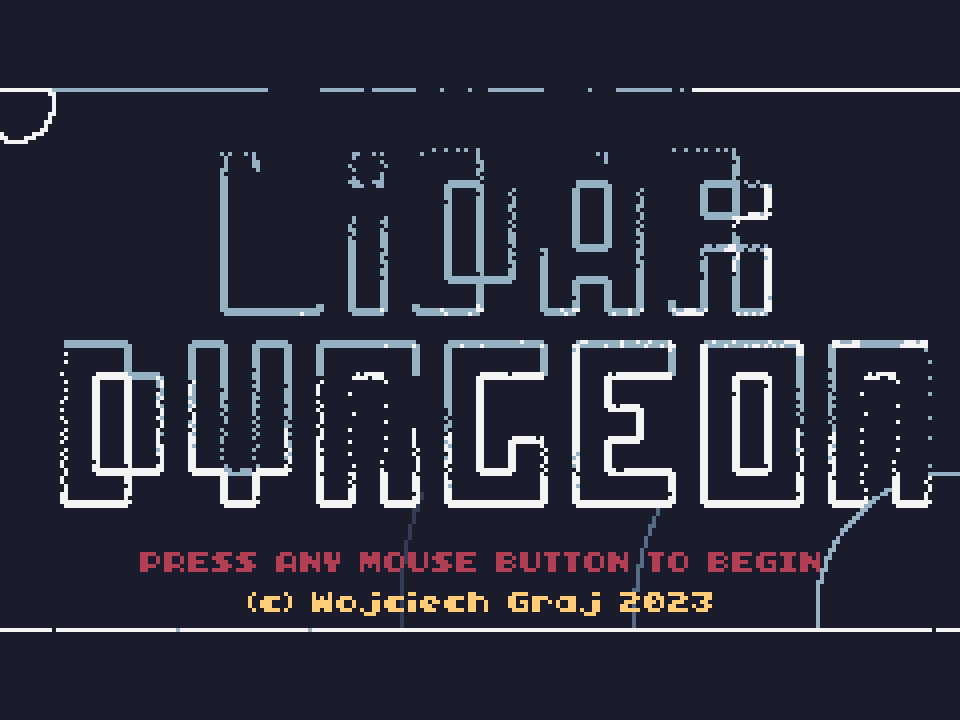
Explore a dark alien spaceship that you can only see through your robot's laser scanner: sweep the rooms to reveal walls and enemies, dodge their bullets, collect upgrades and follow the compass to the teleporter. A bullet-hell roguelike for the TIC-80 by Wojciech Graj.
-
Browser games
Mazocarta
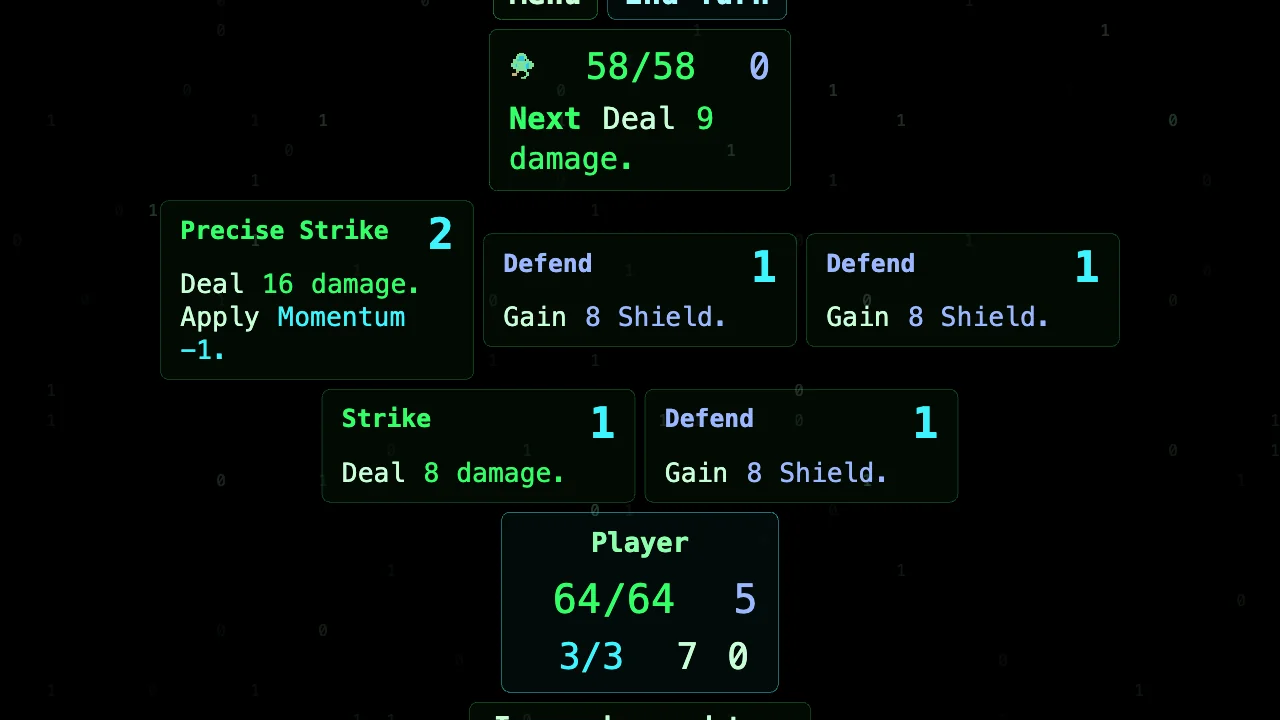
A tactical card roguelike with a green-on-black terminal look: build a deck across three sectors, read each enemy's next move, and spend your energy on attacks and shields.
-
Browser games
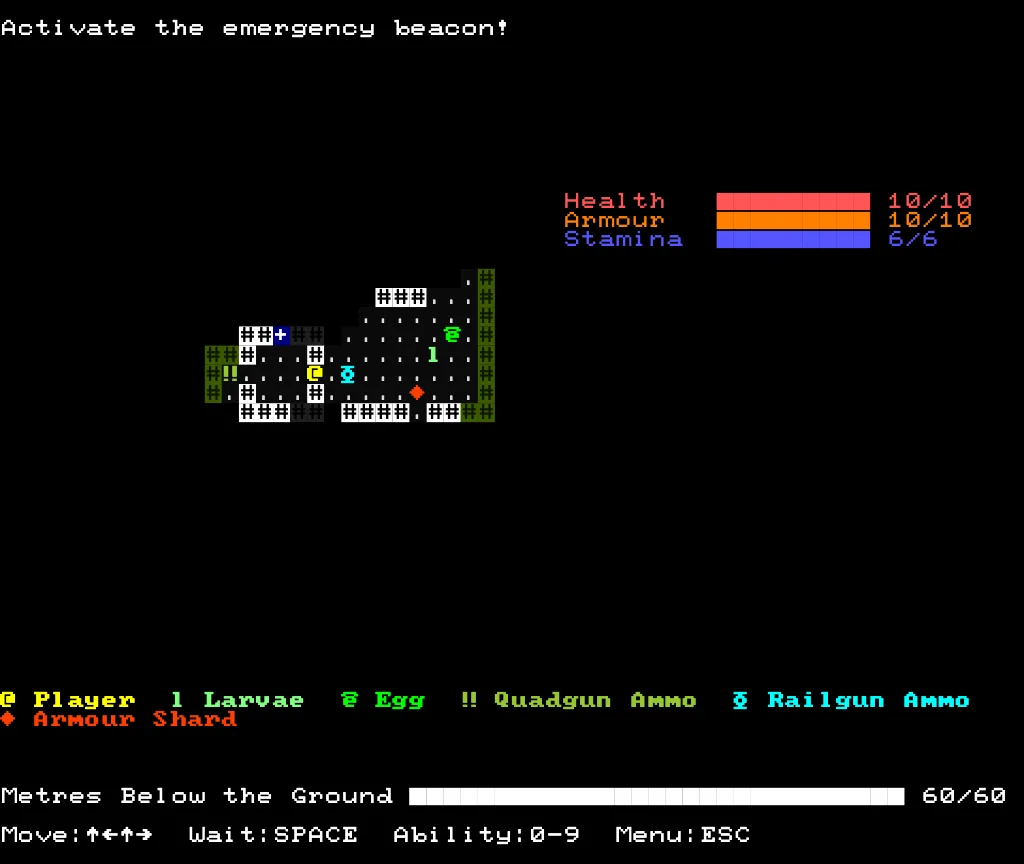
Meters Below the Ground
A sci-fi roguelike where every mechanic is a progress meter: health, armour, stamina, ability cooldowns, hatching eggs. Fight through an infested complex and finish the mission before time runs out.
-
PC
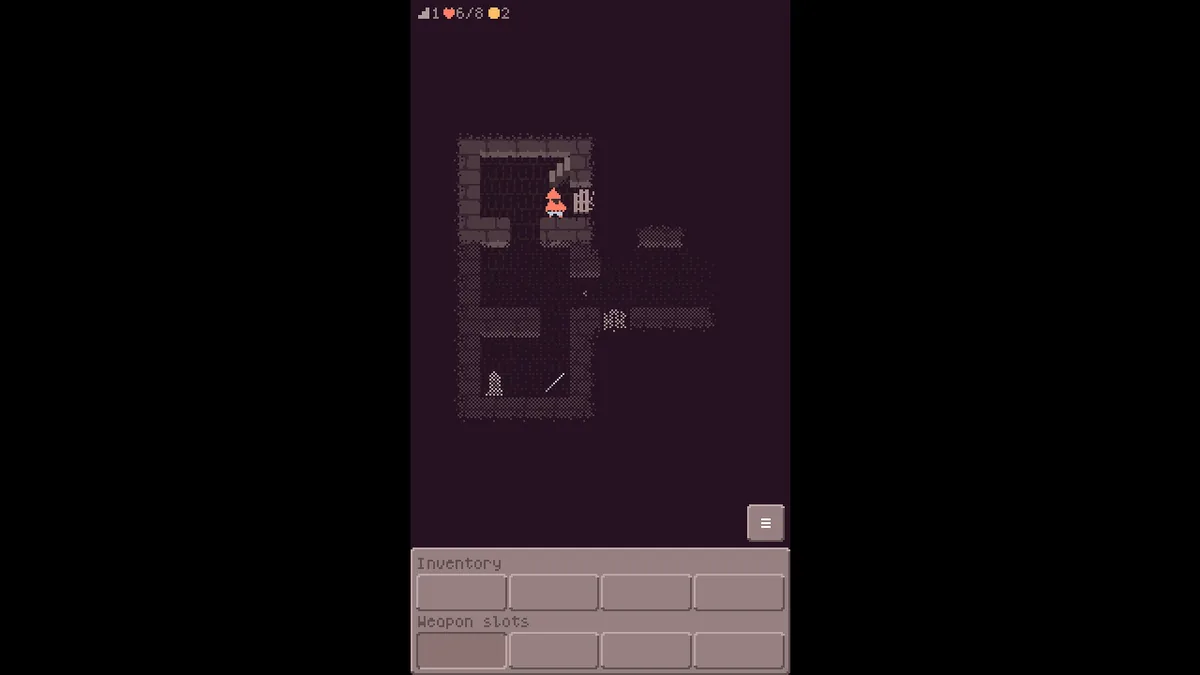
Monk Tower
A small coffee-break roguelike: climb a twenty-floor tower one turn at a time, fight rats, snakes and ghosts with weapons that wear out, drink unknown potions and look for the Second Book of Poetics on the top floor.
-
Browser games
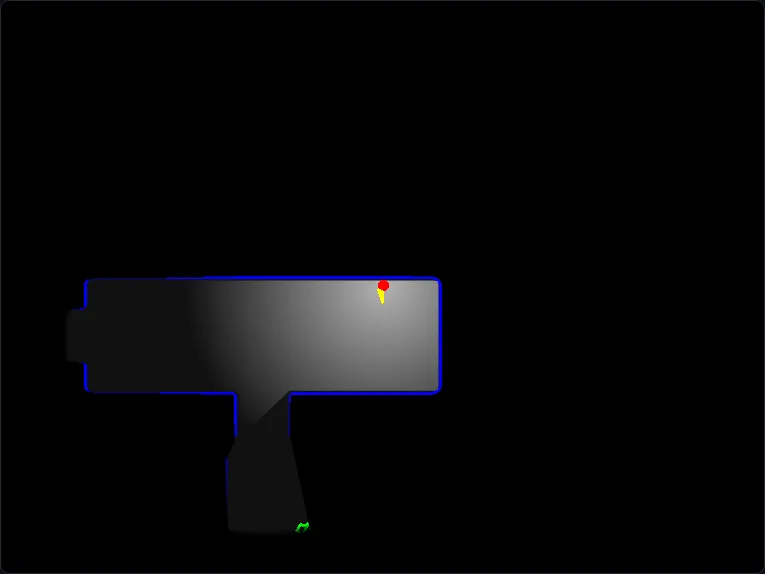
Neon Dungeon
A tiny procedural roguelike in WebGL: you are lost in a labyrinth lit only by its glowing neon walls, hunting gems and the way out while something else roams the dark. Made for js13kGames 2017 by Attila Horváth.
-
DOS
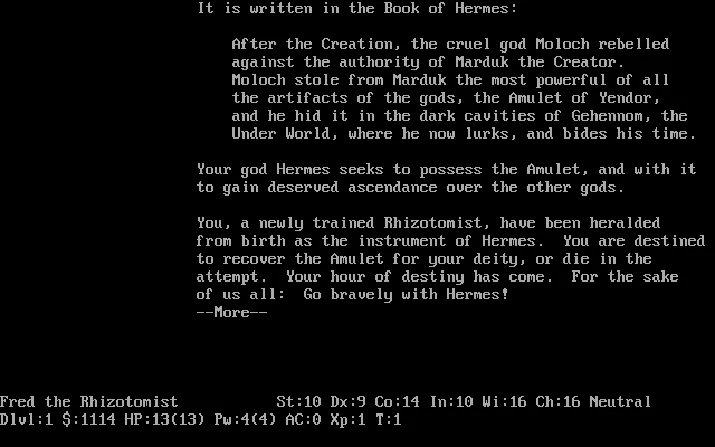
NetHack
The dungeon crawl that has been played, patched and argued about since 1987. Descend, survive, and try to bring back the Amulet of Yendor.
-
Browser games
Norman the Necromancer
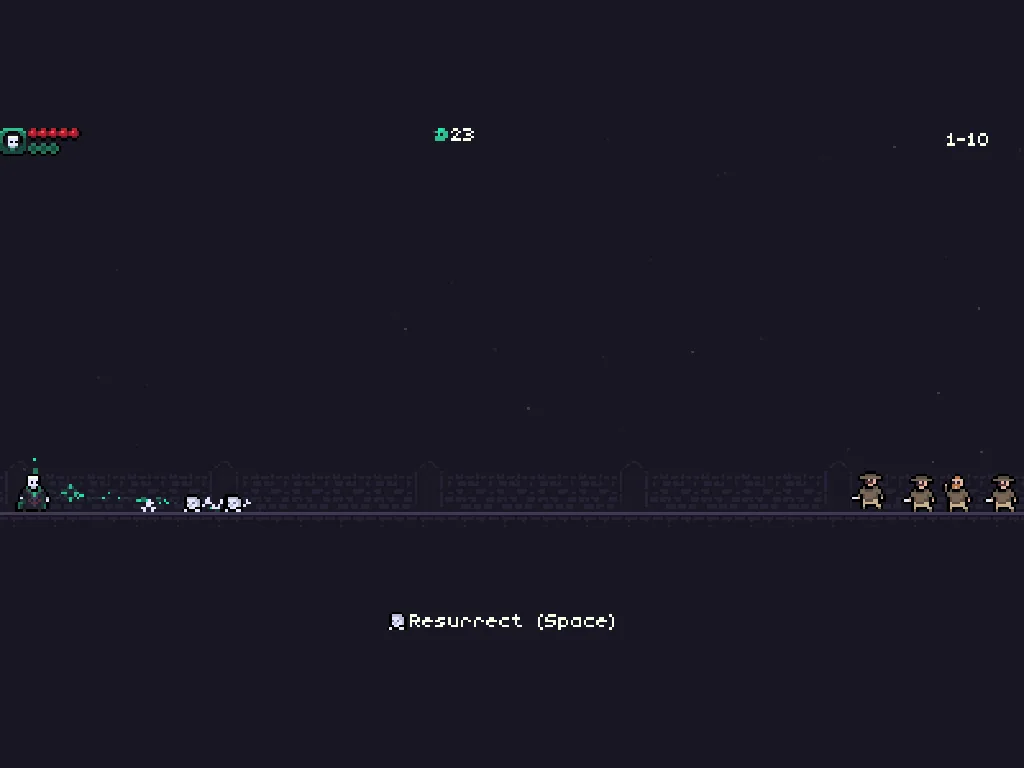
A pixel-art action game made for js13kGames 2022: a necromancer holds off waves of angry villagers by hurling spells and raising the fallen as skeletons, then buys rituals that change the rules, all in 13 KB. By Dan Prince.
-
PC
Omega
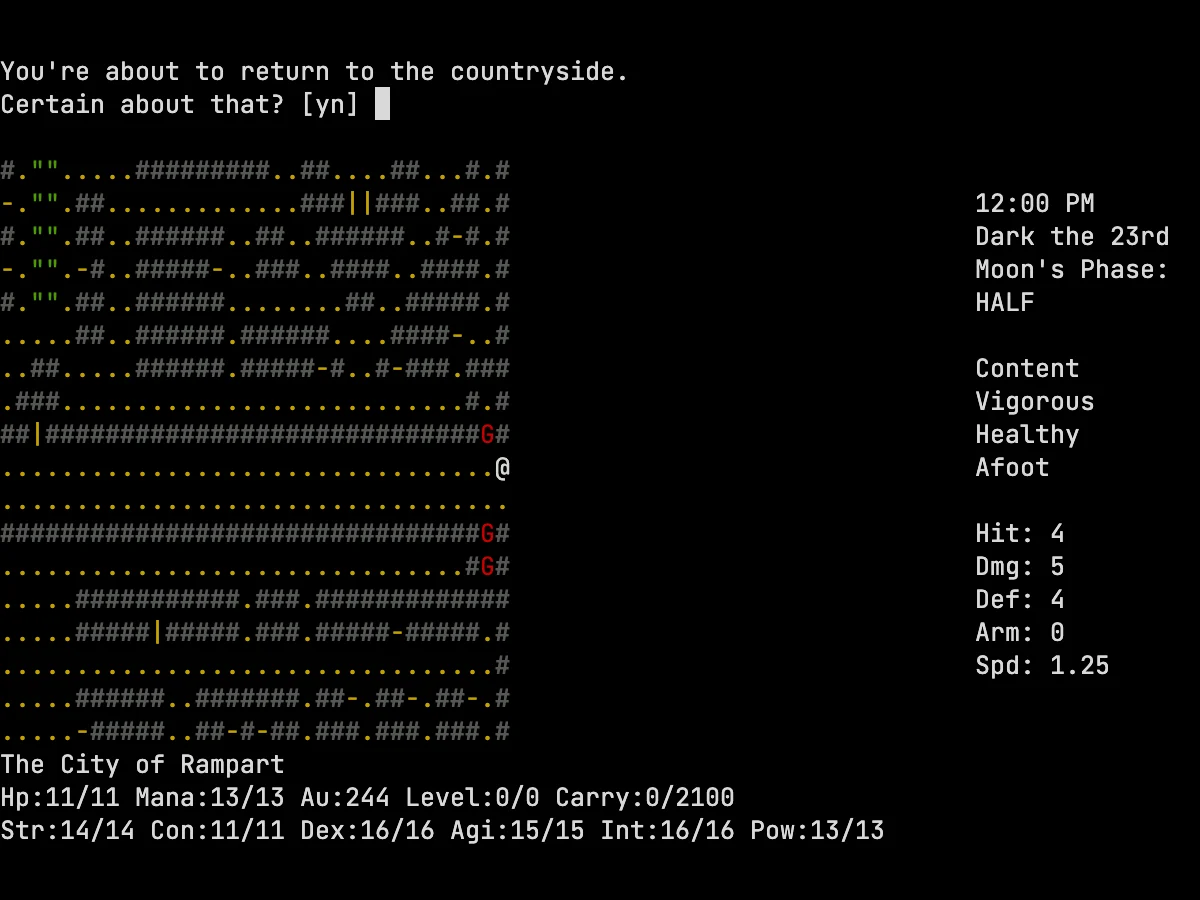
A huge, strange roguelike from 1987: a walled city full of guilds, temples and shops, a countryside with dungeons hidden in it, and many ways to win besides reaching the bottom. Rise through the ranks of a guild, a priesthood or the city's nobility, or just try to get out of Rampart alive.
-

Browser games
Pegacorn Blood
A tiny dungeon crawler with pinball momentum: fling a winged unicorn through twisting halls, smash chests, ram oozes and take back every stolen blood chalice. A new dungeon every run. Made for js13kGames 2026 by arikwex.
-
PC
Phantasia
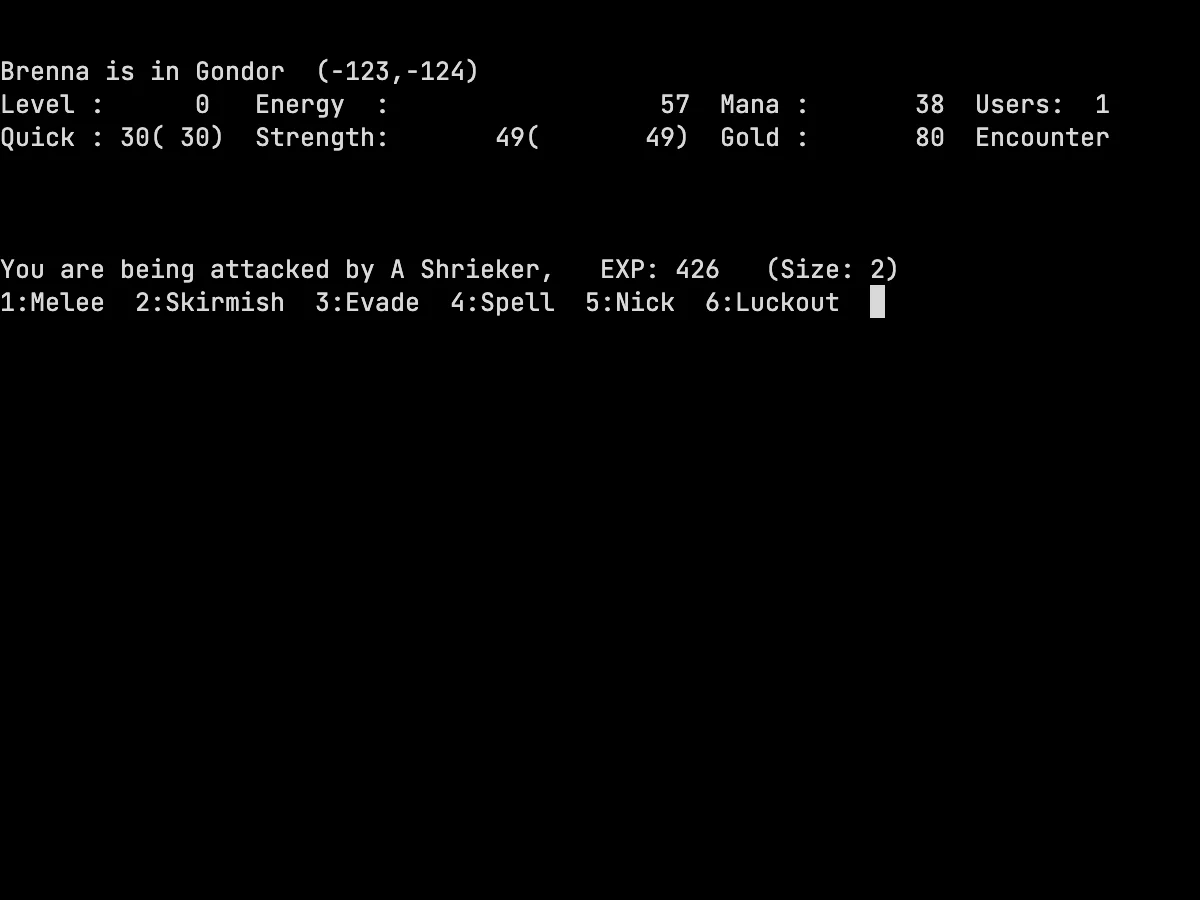
A 1986 multi-user fantasy game from the Unix world, played alone here: roll a magic user, fighter, elf, dwarf or halfling, wander a huge grid where the monsters get tougher the farther you go from the origin, and climb toward the throne with nothing but menus and a text screen.
-
Mega Drive
Pixel Dungeon: Mega Drive Edition
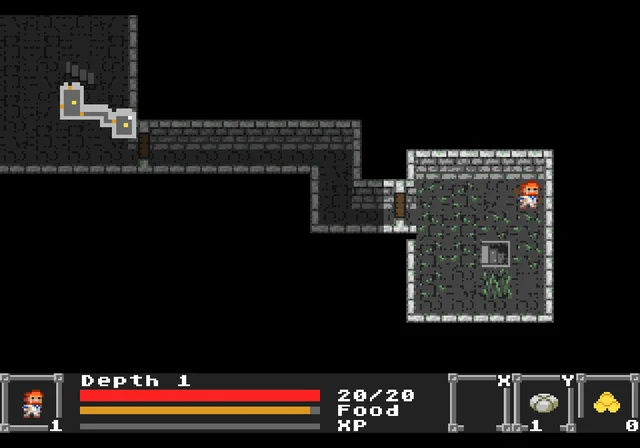
The classic turn-based roguelike, rebuilt for the Mega Drive: pick one of four heroes and descend random floors through sewers, prisons, caves, a dwarven city and the demon halls to bring back the Amulet of Yendor, or keep going in Endless mode. A free GPL homebrew by 2 Drinks In Games.
-
PC
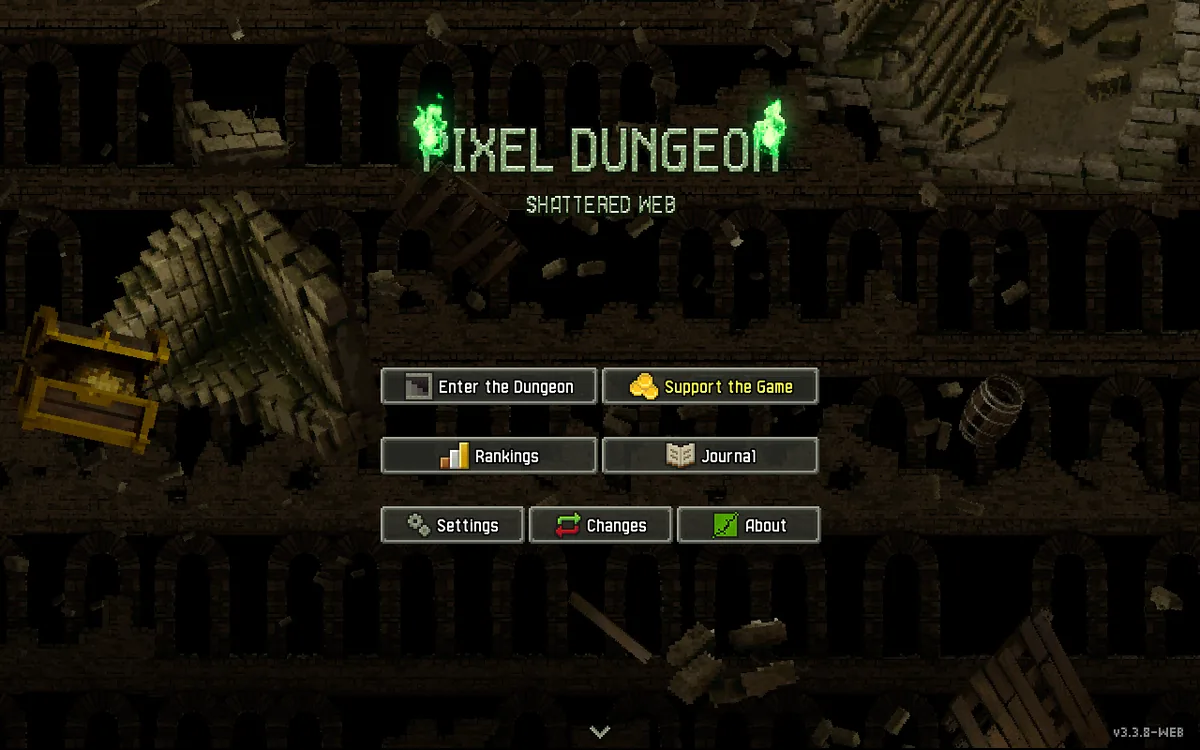
Pixel Dungeon: Shattered Web
A turn-based dungeon crawler in the browser: pick a hero, descend through sewers, prisons and caves, and find the Amulet of Yendor. A modified build of the free Shattered Pixel Dungeon.
-
Browser games
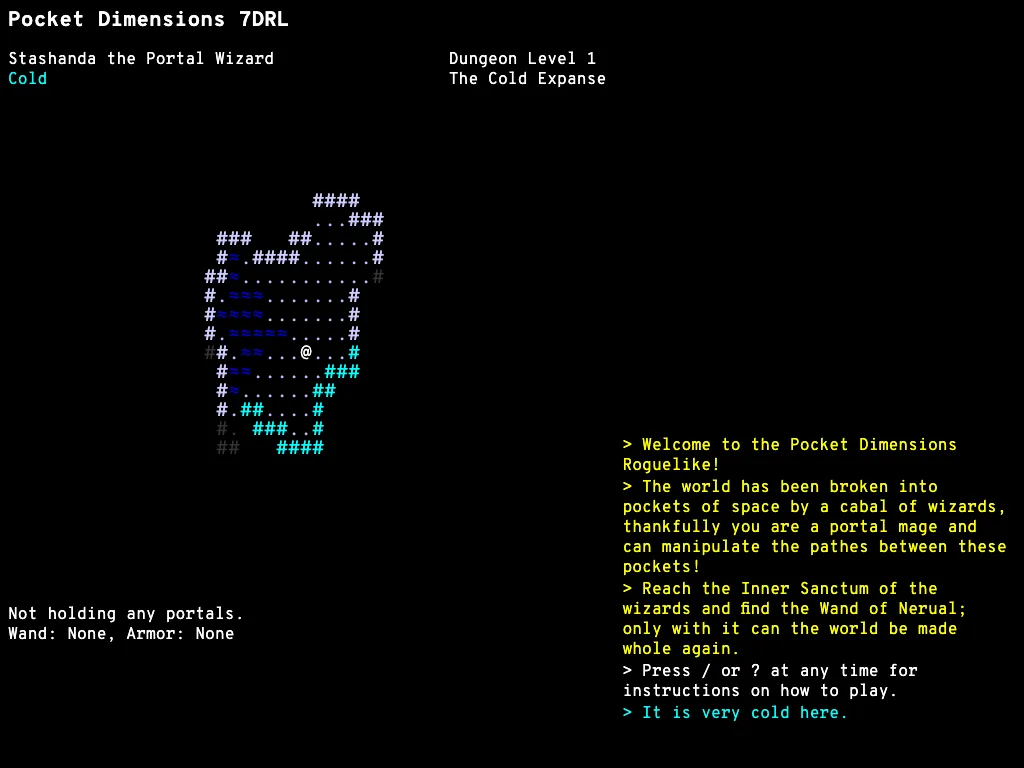
Pocket Dimensions RL
A freshly graduated Portal Wizard has to put a shattered world back together by moving portals around, since fighting was the one class skipped. A turn-based roguelike from the 2019 7-Day Roguelike Challenge, by Lauren Hetherington.
-
Browser games
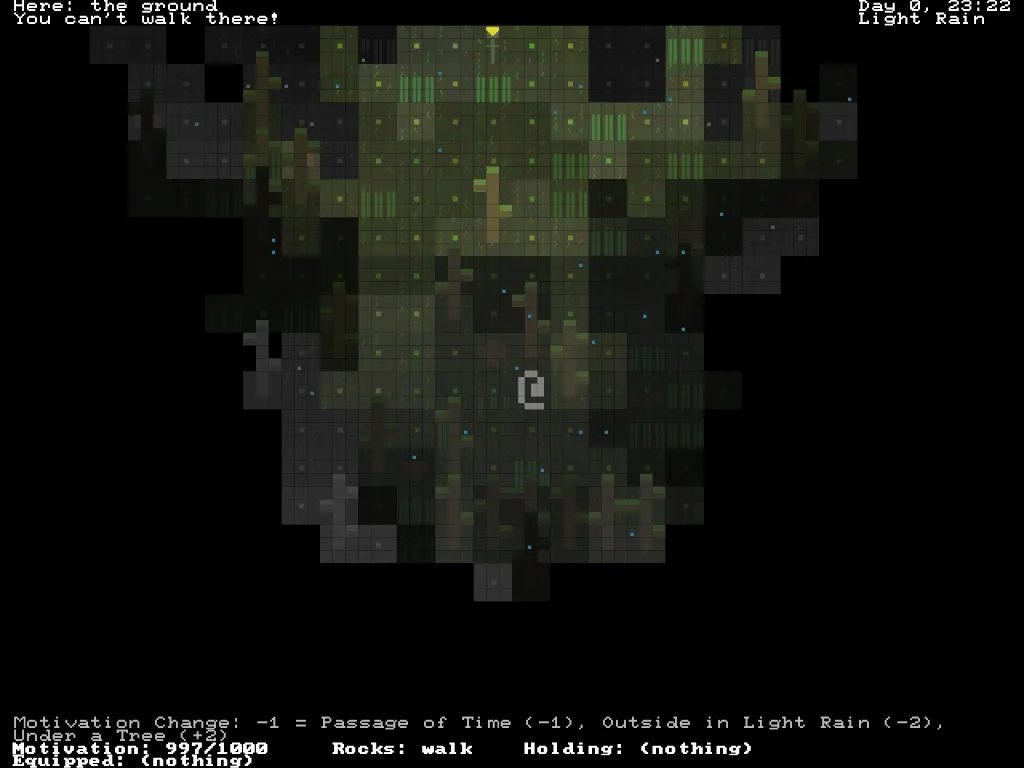
Rain Forest
A quiet roguelike about a five-day retreat to a cabin in a flooded, rainy forest: keep your motivation up with tea, cozy chairs and flowers, dig ditches to drain the water and find the gear that helps.
-
Browser games
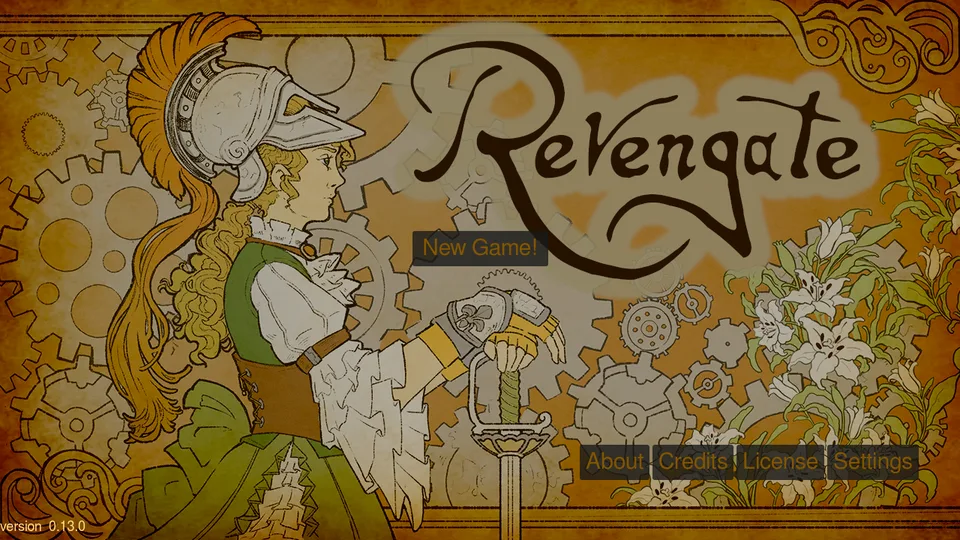
Revengate
A turn-based steampunk roguelike set in Lyon in 1855: investigate for the mysterious Lux Co., talk to strangers and fight automata in short story chapters. Free software, GPL.
-
Browser games
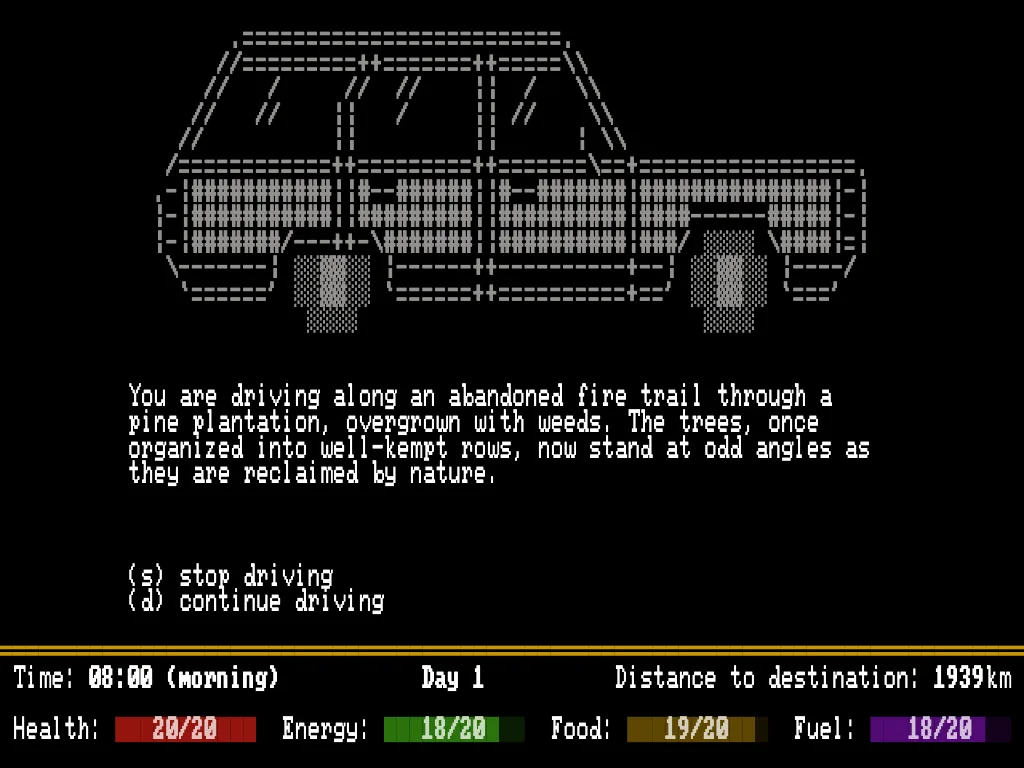
Road Closed
A road-trip roguelike through a forbidden zone: drive 2000 km toward a room that grants any wish, stopping to scavenge on foot, fight off night stalkers and keep the car fed, rested and fuelled.
-
PC
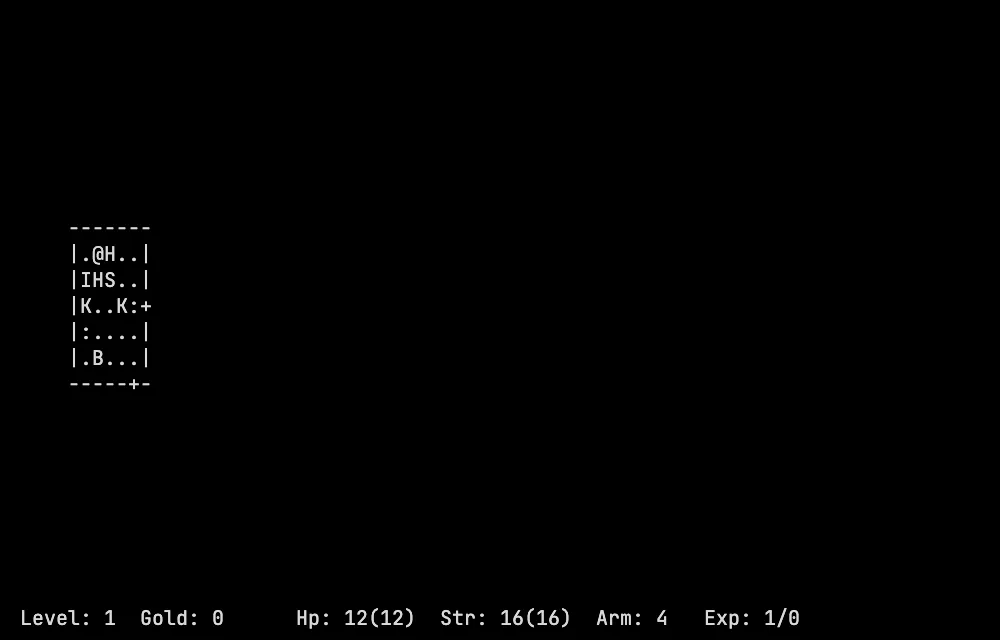
Rogue
The 1980 game that gave a whole genre its name: dive through 26 randomly built levels of the Dungeons of Doom, find the Amulet of Yendor and climb back out alive, with letters for monsters and one life only. The original Rogue 5.4.4, in the browser.
-
Browser games
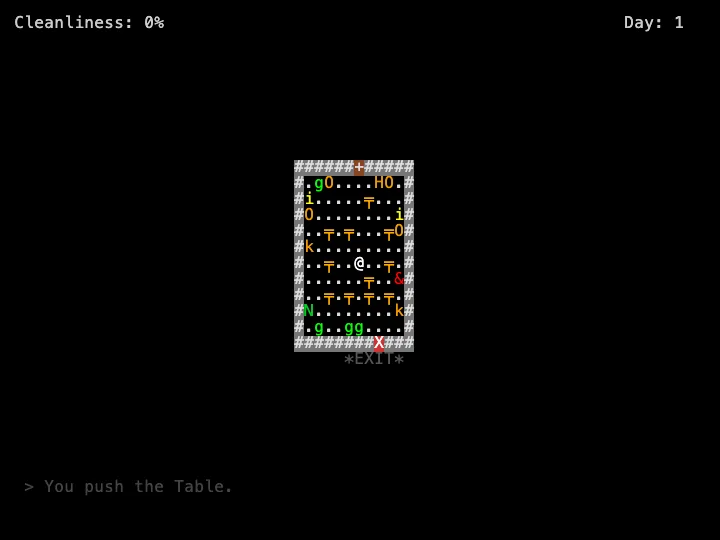
Rogue Janitor
It is your first day as janitor of the Comrade Dungeon. Mop up, pick up the coffee mugs, fix the furniture and take breaks with the monsters. A cosy cleaning roguelike from the 2019 7-Day Roguelike Challenge, by Lauren Hetherington.
-
PC
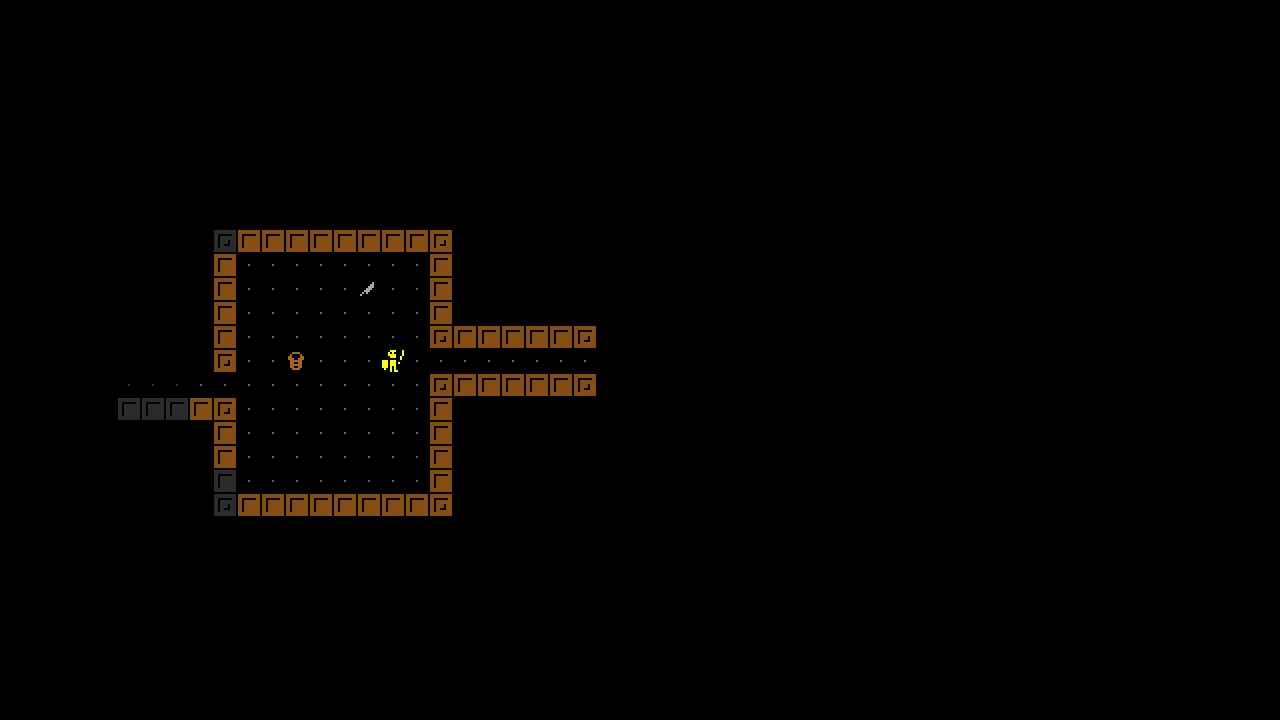
RuggRogue
A simple, complete roguelike written in Rust: go down through dungeons full of new monsters and gear, manage hunger and healing, run through corridors, save your game, and try New Game Plus.
-
Browser games
Rune Hunter
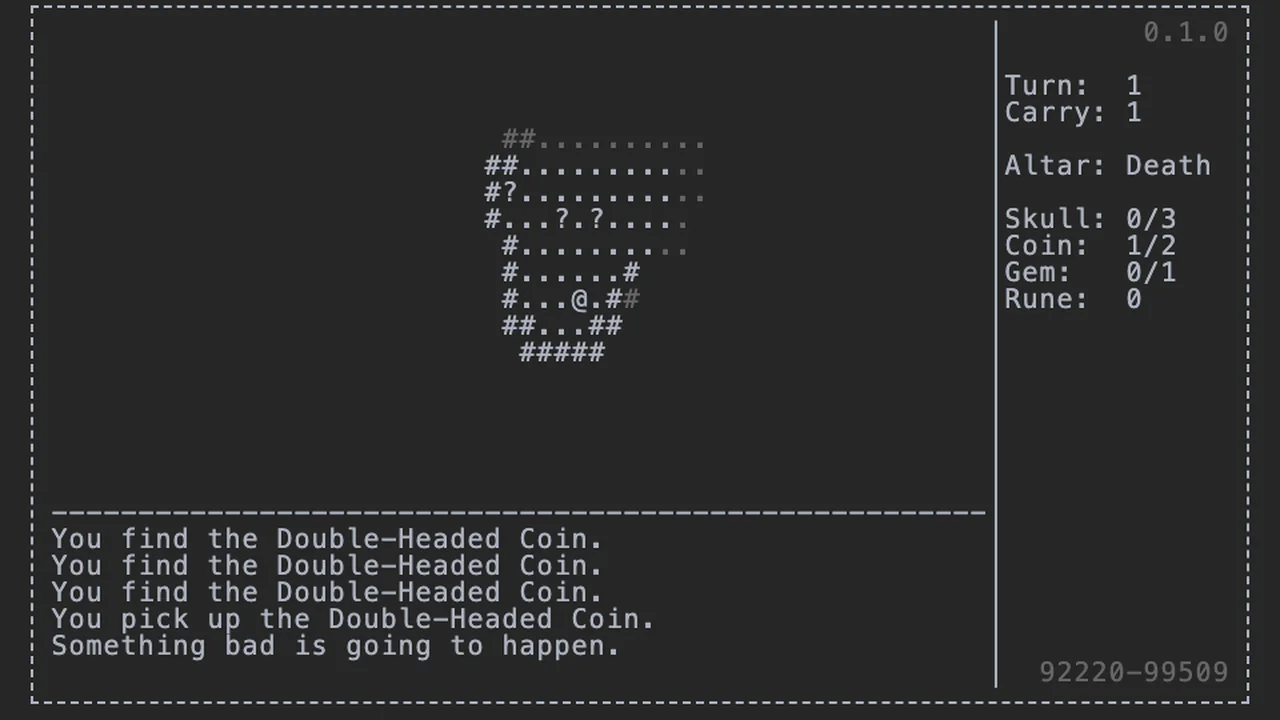
A tiny coffee-break roguelike of greed and nerve: grab treasure in a dark dungeon, feed the altars to earn three runes, and drop your loot to lure off the ghost that is hunting you.
-
PC
SecBot
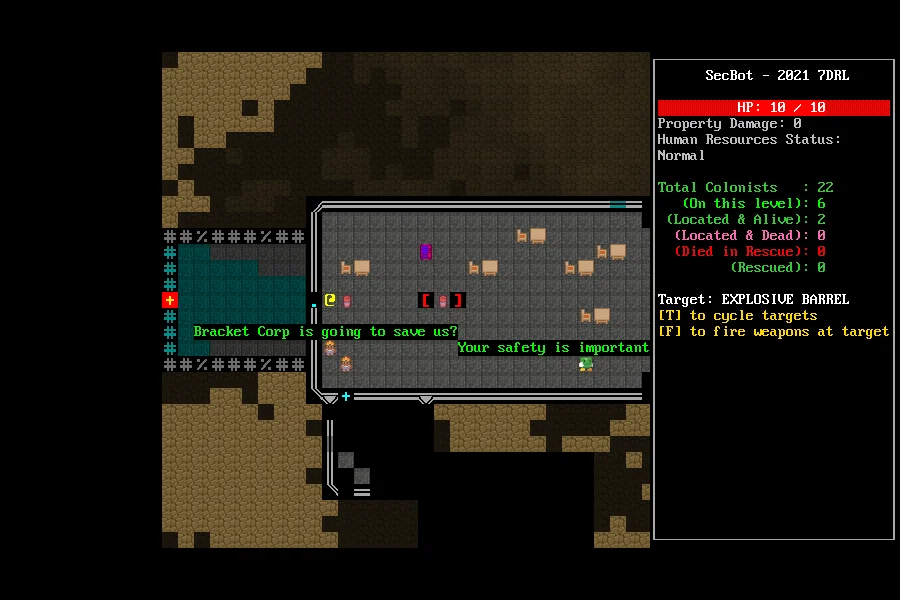
A security robot lands at a silent space colony and has to find the survivors and lead them back to the ship. A seven-day roguelike with ranged combat, tiny rooms full of trouble and a lot of dry humour.
-
PC
Shamogu
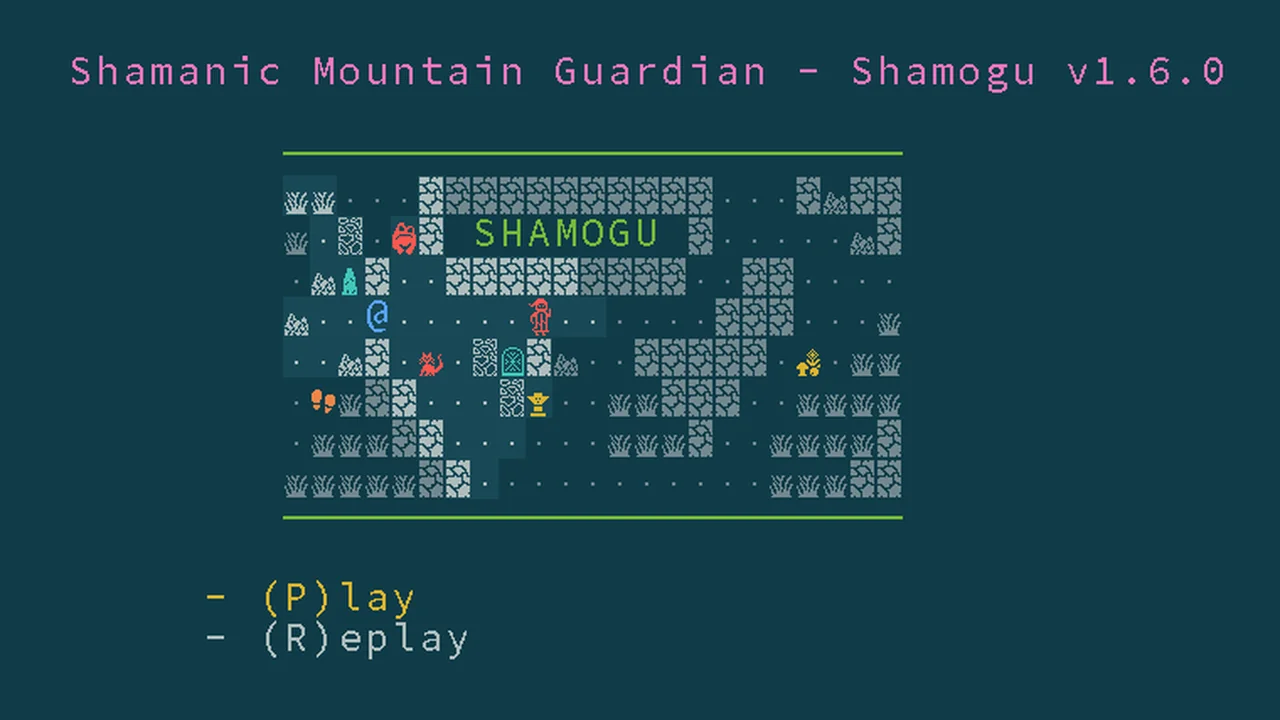
A coffee-break roguelike about a shaman guardian who climbs into a corrupted mountain: careful movement, totem spirits and food at the right moment, and a bit of stealth with light and noise.
-
PC
Sil-Q
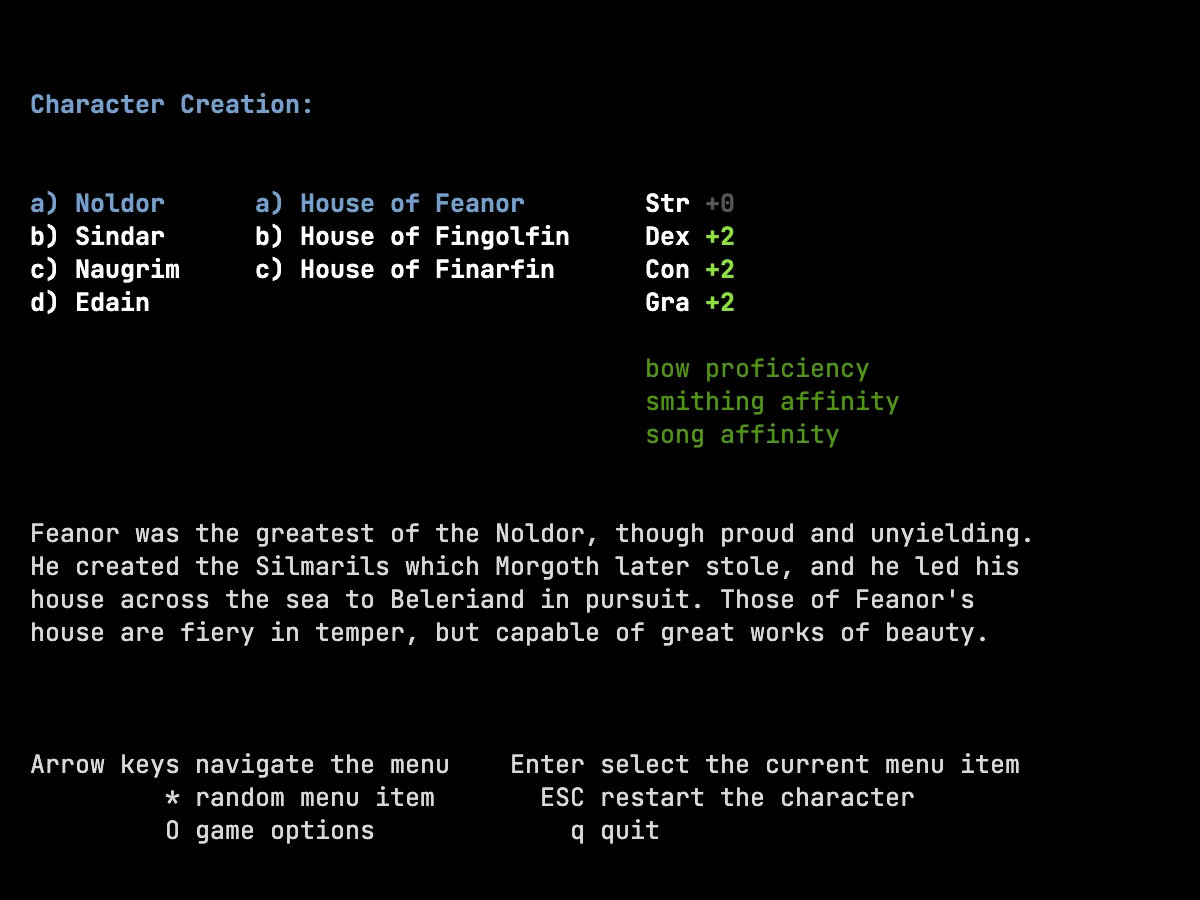
A tactical roguelike set in the First Age of Middle-earth: go down into the dark halls of Angband to cut a Silmaril from Morgoth's iron crown. There are no character levels to grind: you build a hero by spending experience points, and every fight is decided by choices more than by numbers.
-
DOS
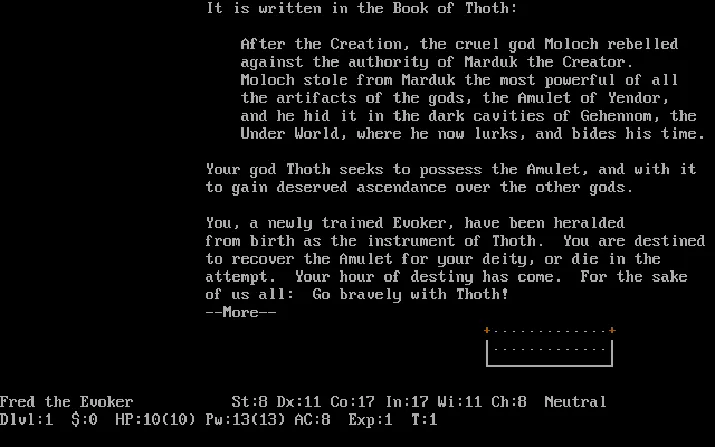
Slash'EM
NetHack with everything turned up. More roles, more monsters, more dungeon branches and a lot more ways to die, in the variant fans called Super Lotsa Added Stuff Hack.
-
Browser games
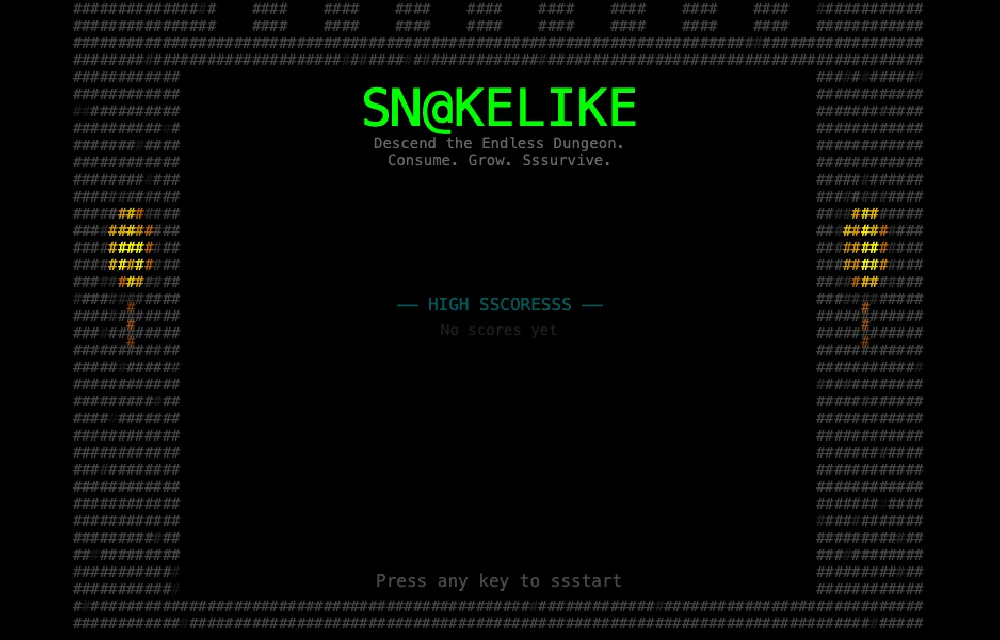
Snakelike
A snake game turned into a dungeon crawl: steer a hungry snake through generated stone halls, eat rats to grow, shoot your own tail at the monsters and find the stairs down.
-
TIC-80
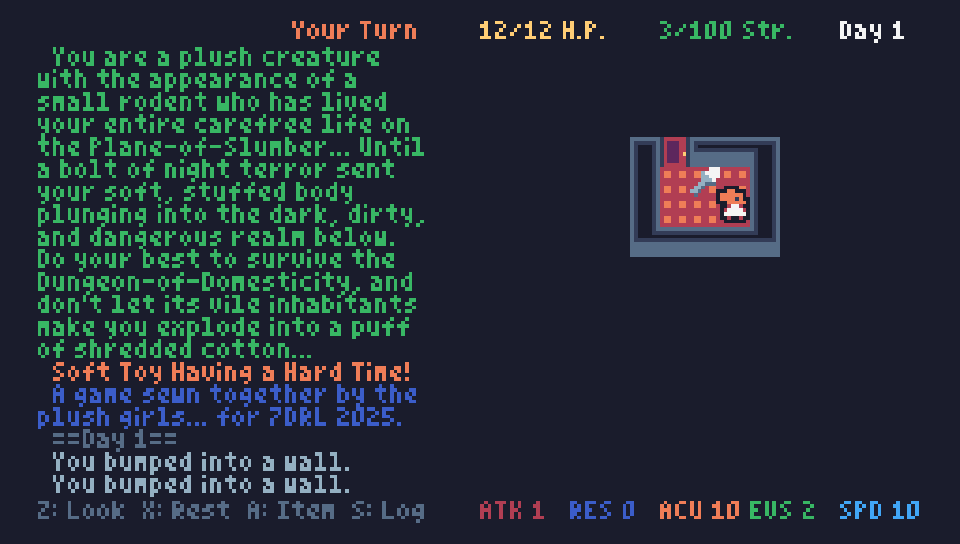
Soft Toy Having a Hard Time
You are a plush creature who fell from the Plane of Slumber into the Dungeon of Domesticity: a turn-based roguelike for the TIC-80, set in a house full of lint rabbits, kitchen knives and hidden uses for everyday objects, with three endings. Made for the Seven Day Roguelike Challenge 2025.
-
Arduboy
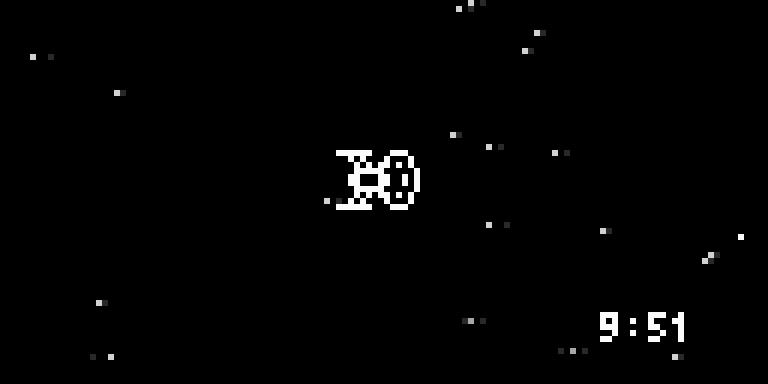
Star Honor
A roguelike space voyage against the clock: with a skeleton crew and a limping starship, hail planets for upgrades, supplies and crystals and win or flee from battles on the way home to cure your world. A free homebrew game for the Arduboy by Wenceslao Villanueva Jr.
-
PC
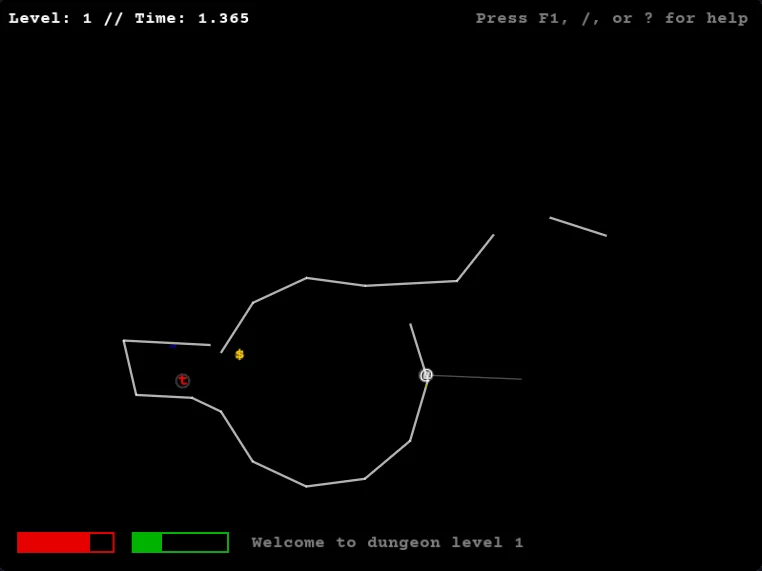
Super Rogue
A real-time dungeon crawler where time only moves when you do: dodge killer tomatoes, shoot, fight in melee and find the stairs. Free software by 44100hz and winny.
-
Browser games
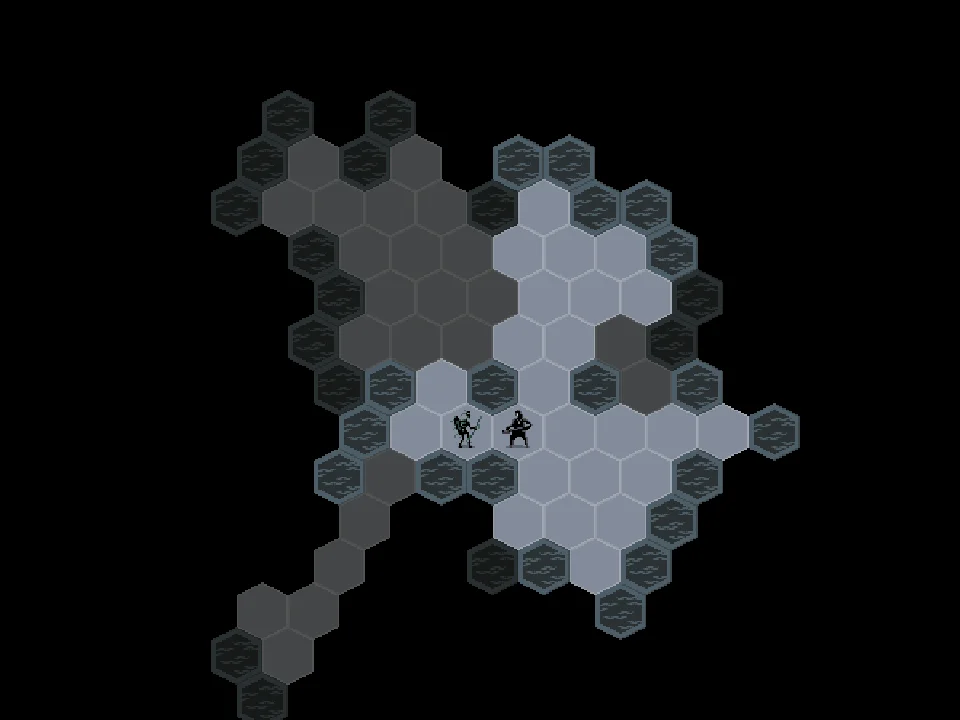
Switch Hook
A tiny hexagonal roguelike where the only weapon that matters is a grappling hook that swaps you with your enemies. 20 short levels, one amulet. Free and open source, made in seven days.
-
PC
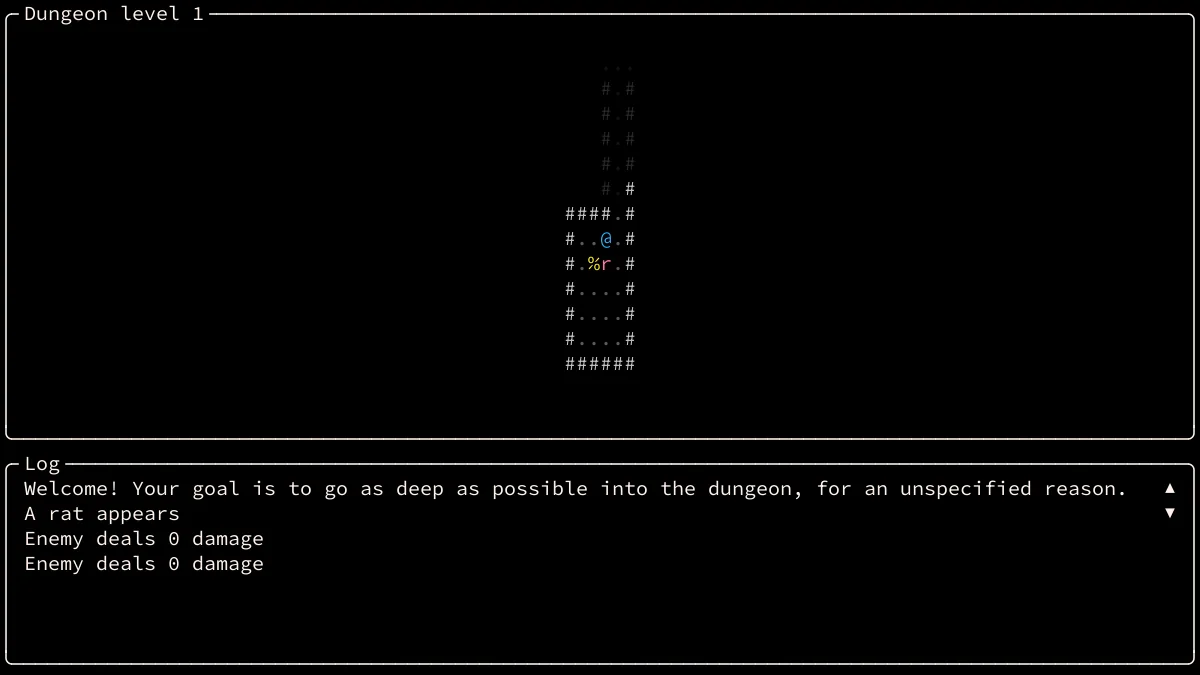
The Return of the Rogue
A short, old-school roguelike made in seven days: go as deep as you can, with a weapon upgrade or a healing potion on every level. Free software by Bastien Leonard.
-
Browser games
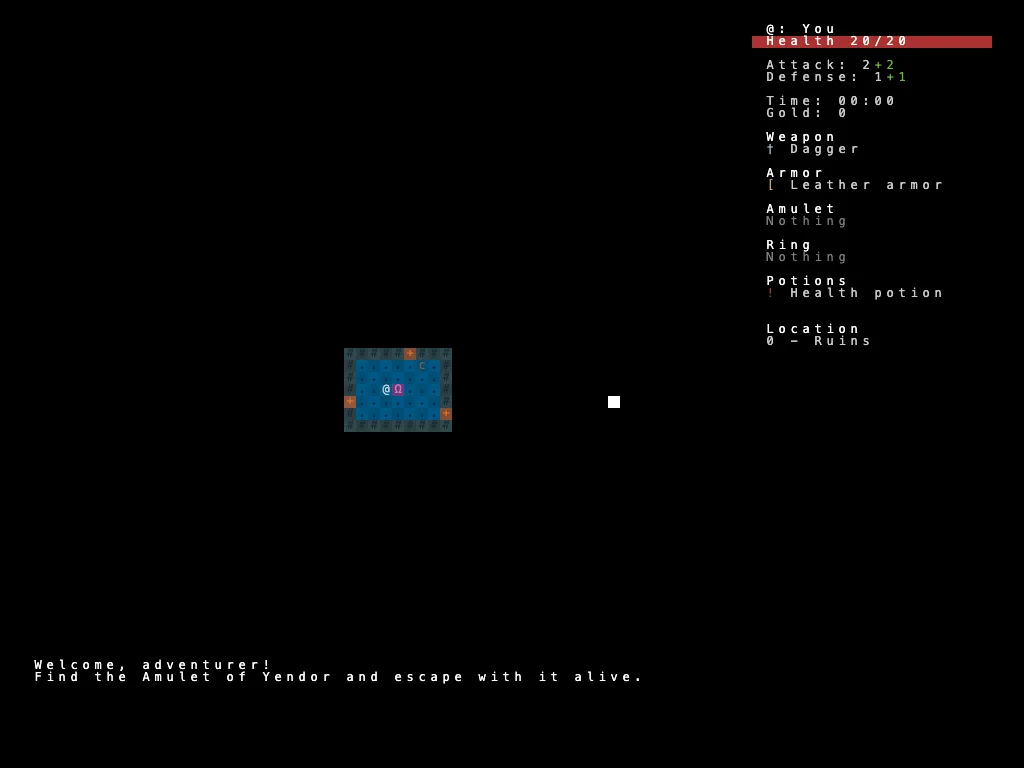
Tiny Tale
A small, classic dungeon crawl played with the mouse: find the Amulet of Yendor and get out alive. A roguelike from the 2016 7-Day Roguelike Challenge, by Diego Barberá.
-

Arduboy
Tower of Pain
A tiny roguelike in which luck matters more than muscle: climb a tower one random room at a time, and at every encounter choose to attack, spare, talk to or run from what you meet. A free homebrew game for the Arduboy by Fran J. Alvarez.
-
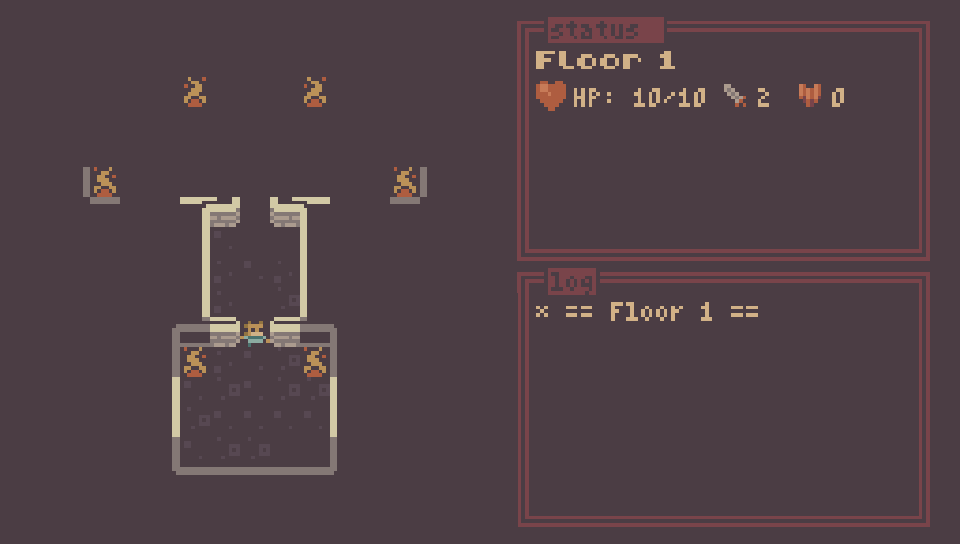
TIC-80
Tower of Shadows
A deep shadow covers the land and its source is at the top of the Tower of Shadows. A tiny, complete turn-based roguelike for the TIC-80: climb floor after floor of a dark tower, find treasure and spell scrolls and see how deep you can go. Made for the Seven Day Roguelike Challenge 2025.
-
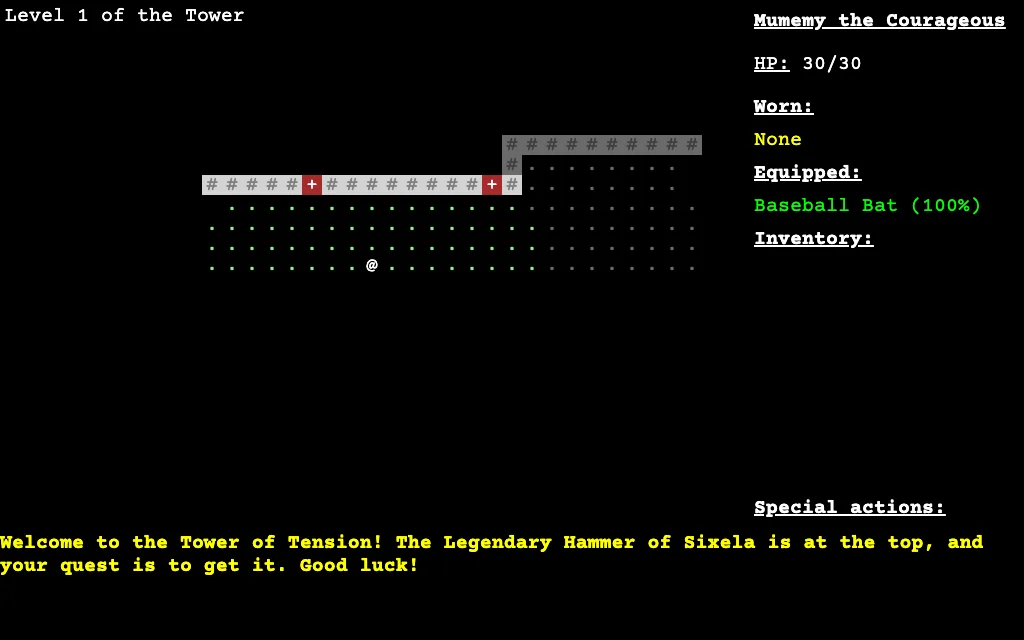
Browser games
Tower of Tension
Climb a tower to fetch a legendary hammer, and make every fight a physics puzzle: bump enemies into each other, off ledges and into walls. A turn-based roguelike in a single web page, with items that change how you push.
-
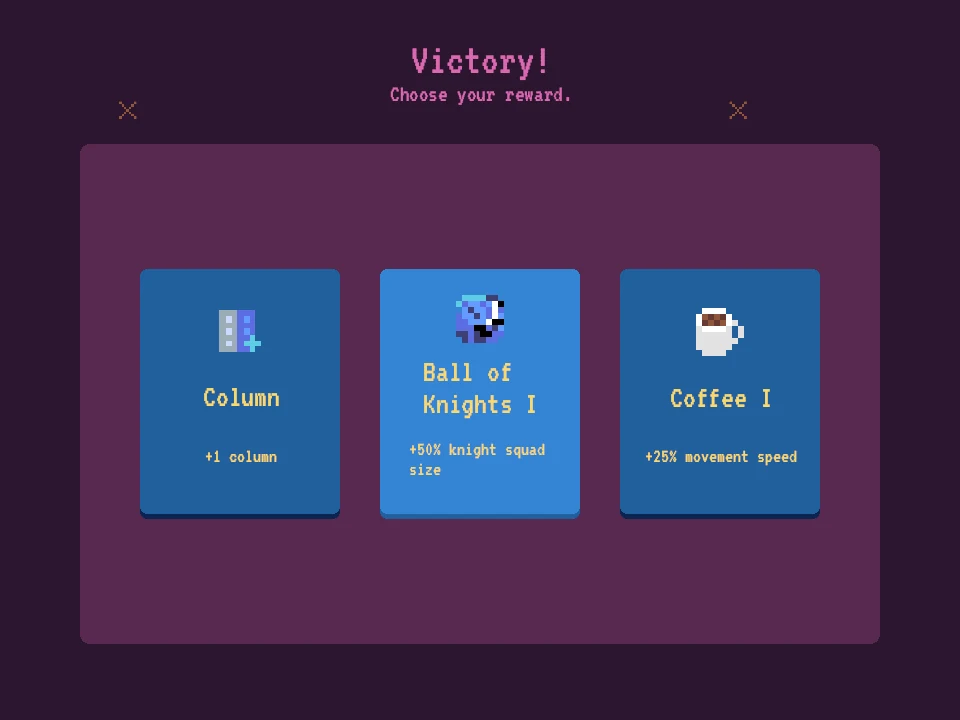
Browser games
Tower Quest 3200
Your army of knights marches on its own. Between floors you pick one of three rewards: more squads, bigger squads, faster legs or a wider formation. A small retro arcade roguelike from Bevy Jam #4, with a very large cast of tiny knights.
-
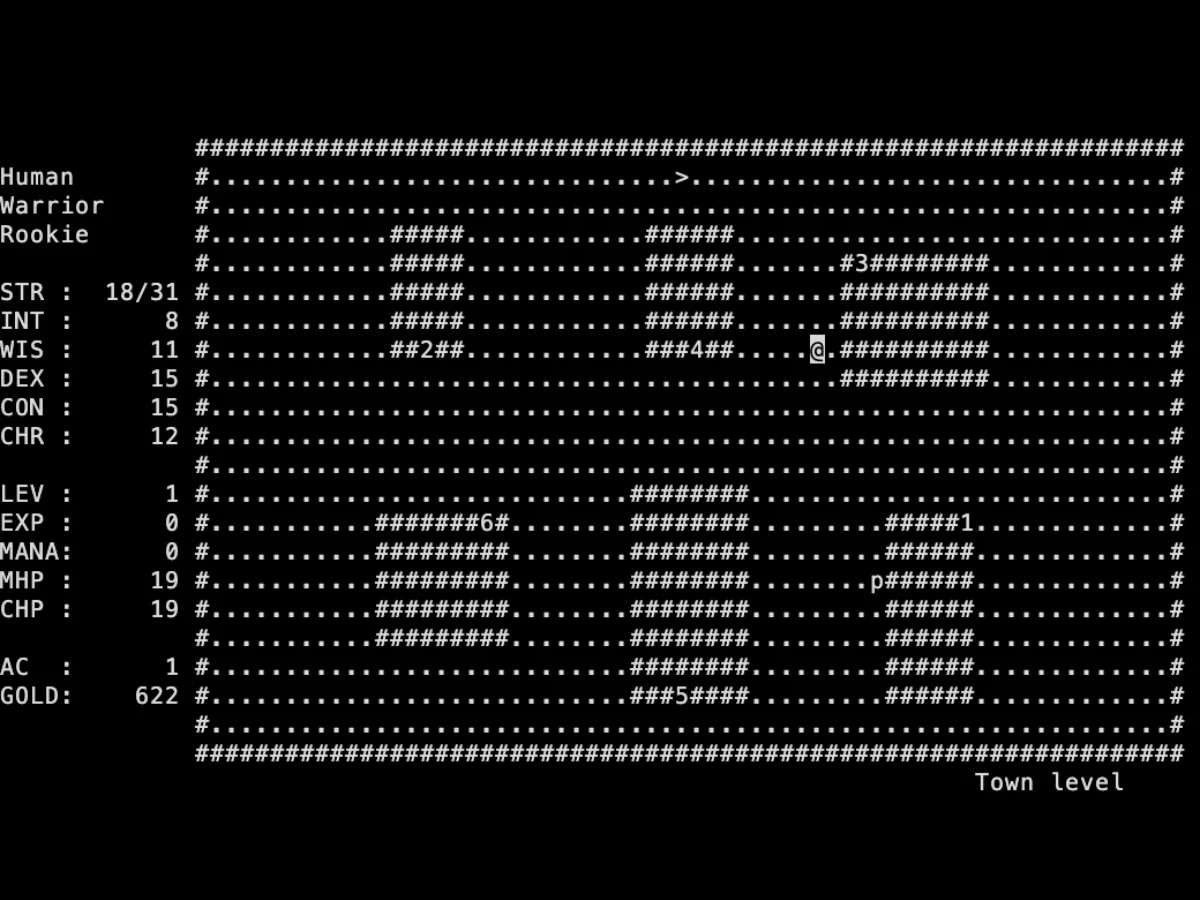
PC
Umoria
One of the first roguelikes, from 1983: roll a hero, shop in a small town and dive through the dungeon under it, level after level, fighting for treasure and experience with only a text screen to see it by. The classic dungeon game that inspired Angband and Diablo, in its modern 5.7 edition.
-
Browser games
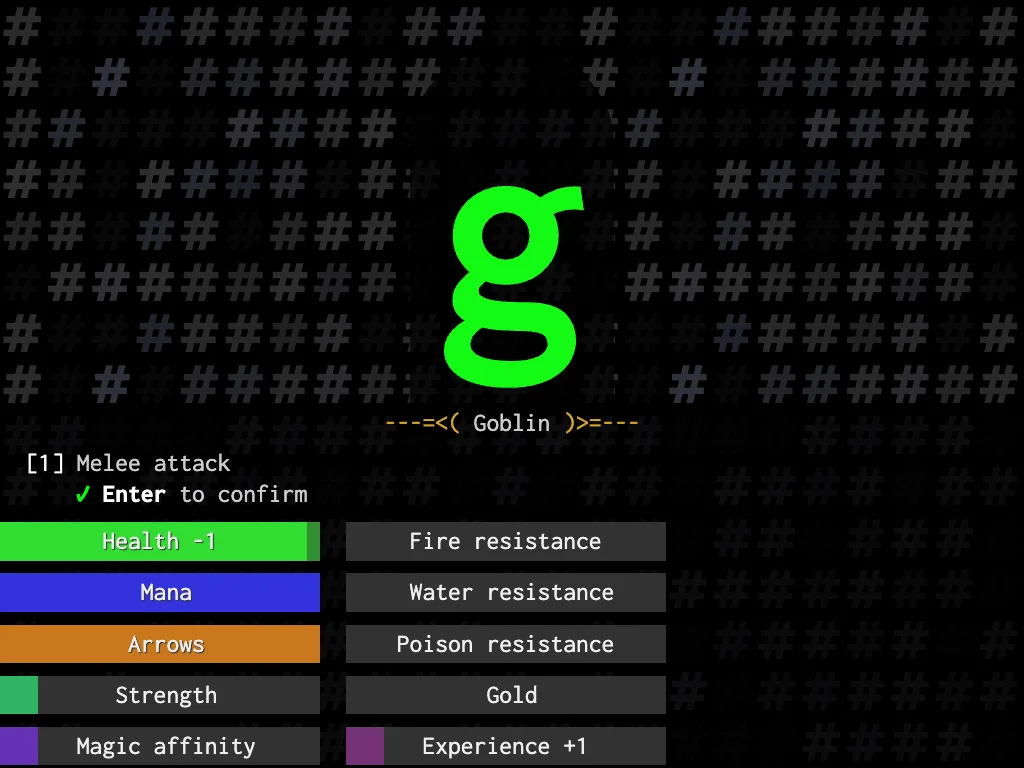
Warden's Duty
You are the new warden of a prison whose cells are all full of monsters. Walk into each cell, face its prisoner one on one and keep descending. A 7-Day Roguelike from 2015 by Ondřej Žára.
-
PC
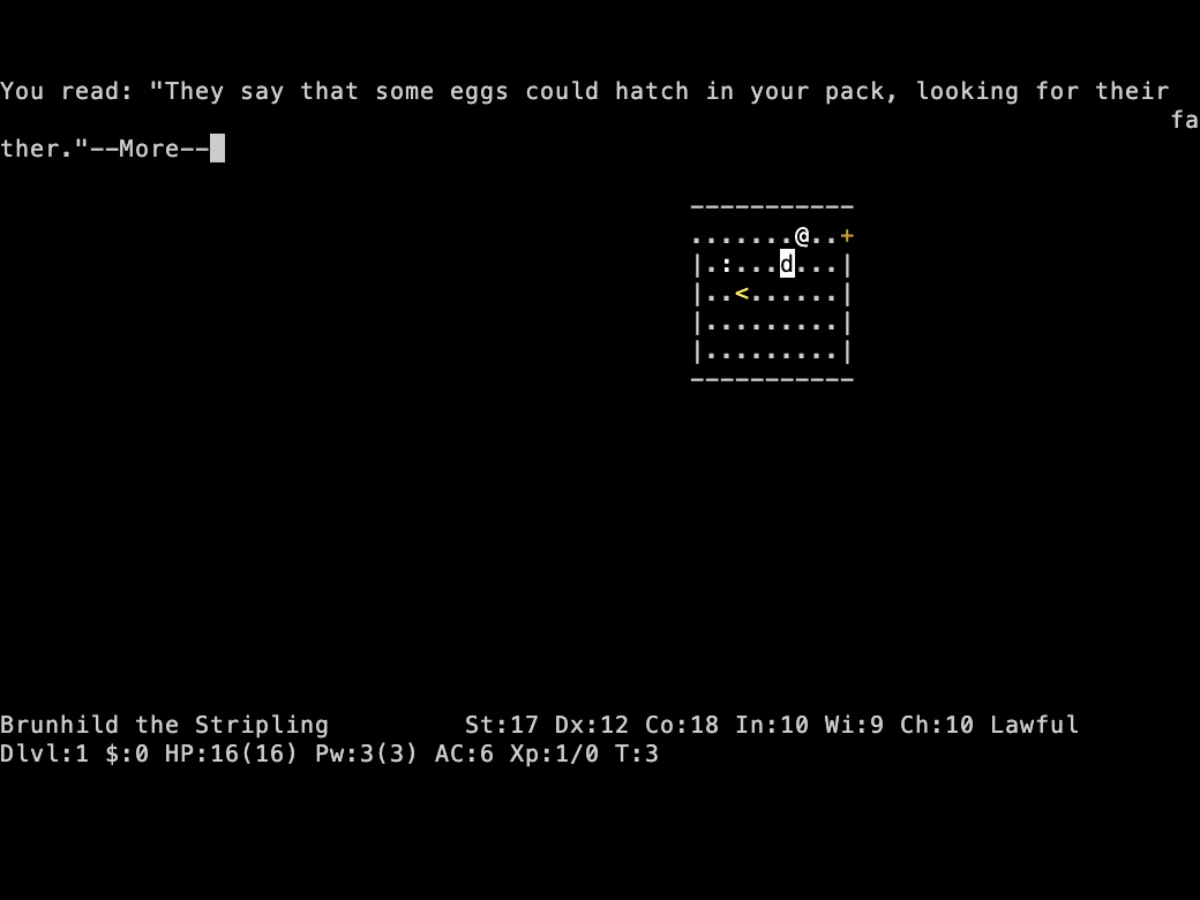
xNetHack
A modern spin on the classic dungeon crawl: xNetHack takes NetHack, rebalances it, trims the tedious parts and tries out ideas from its community, and it adds a tutorial for newcomers. Roll a hero and descend, in colour, on a text screen.
-
MSX
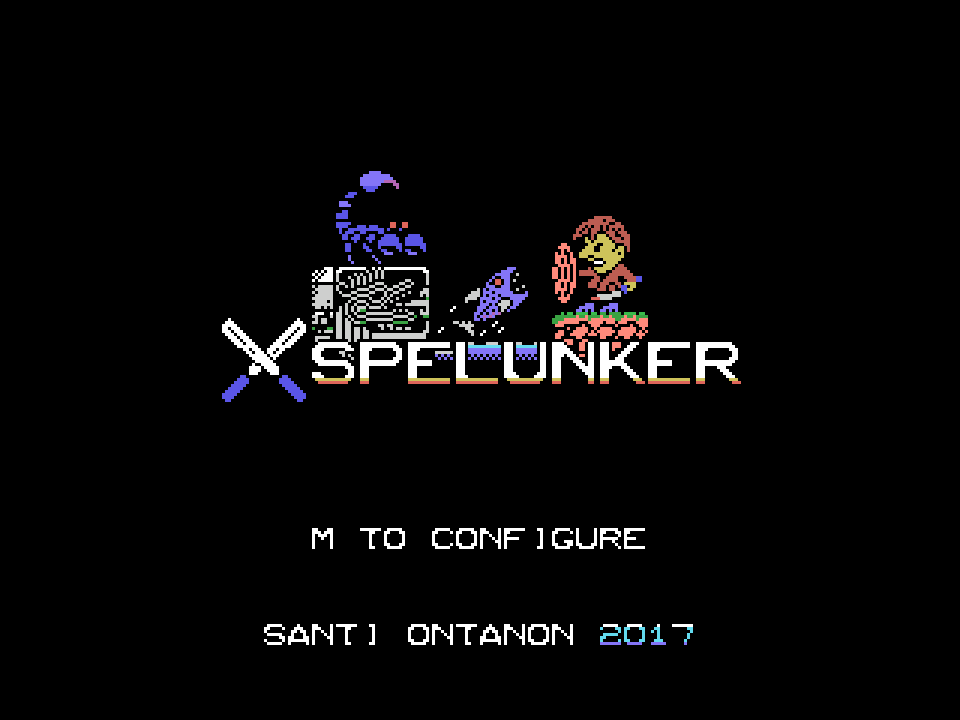
XSpelunker
Explore a Yucatán jungle and the Maya ruins below it in a cave-diving platformer for the MSX whose levels are built anew every game. Ropes, bombs and a machete, three minutes per level, and a secret waiting at the bottom. By Santiago Ontañón.
-
Browser games
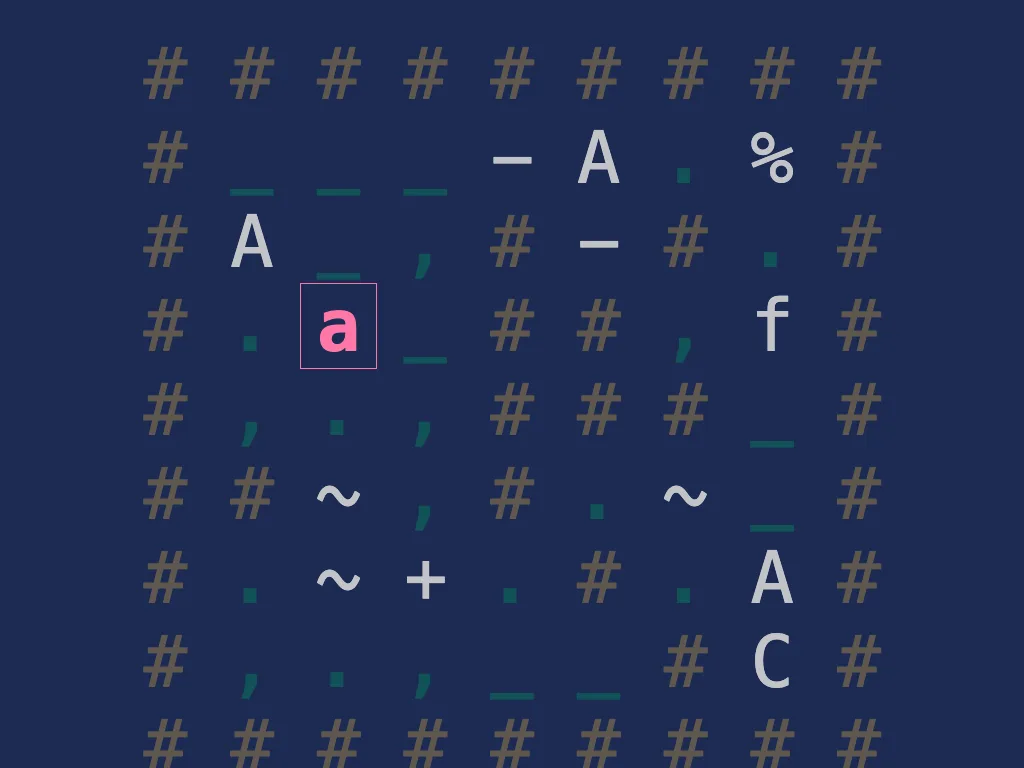
Z.E.A.L.O.T.S.
Every creature in the pyramid is a letter, and every move shifts all of them at once. Merge, fight and climb the alphabet to ascend. A minimalist puzzle roguelike from the 2024 7-Day Roguelike Challenge, by stcucufa.
Where the name comes from
Rogue, written in 1980 for Unix computers, sent a lone adventurer down a dungeon that was different every game, drawn entirely with letters and symbols. When you died, the game was over for good. Its descendants kept those ideas: random levels, turn-based movement on a grid, and permanent death. NetHack, Angband and their many relatives are still updated decades later, and the label "roguelike" now also covers faster, action-based games that borrow the random runs and permadeath.
What makes a roguelike
- A new dungeon each time. Levels, items and monsters are generated, so experience matters more than memorising layouts.
- Permanent death. Losing a character means starting over. The tension of every decision comes from that.
- Turns, not reflexes. In the classic style, nothing moves until you do, so you can think as long as you need.
- Unknown items. Potions and scrolls are often unidentified, and trying them is a gamble.
Action roguelikes and "roguelites" relax some of these rules: real-time fights, and upgrades that carry over between runs.
Surviving longer
Read every message line; it tells you what hit you and why. Retreat into corridors so monsters come one at a time. Don't fight everything you see. Use the search or rest command to recover before going down the stairs. Most importantly, treat each death as information. Many players finish their first win after dozens of attempts.
A few to start with
- Brogue: Community Edition (PC): 26 levels with simple controls, no classes and allies to free on the way down; a good first roguelike.
- NetHack (DOS): the 1987 classic with an enormous number of interactions to discover, played here in its DOS build.
- HyperRogue (PC): a roguelike on a hyperbolic plane, where the world branches so fast you can never walk back.
- Pixel Dungeon: Mega Drive Edition (Mega Drive): four heroes and the classic five-region descent, rebuilt for a 16-bit console.
- Escape Guldur (WASM-4): six levels of turn-based fights in a dark fortress, in four colours.
- Ending (Flash): a turn-based puzzle roguelike in small rooms, with a food clock counting down every step.
- Delve (Nintendo DS): an action roguelike with a boon after each fight and permanent upgrades bought at camp.
Our guide to roguelikes in your browser explains the controls of the classic ones and where to begin.