Portugues
Game jams explained: games made in a weekend, a week or a month
A big part of the catalogue on FredyGames has the same origin story: somebody had a deadline, a theme and not much time, and built a game anyway. These are game jams, and this guide explains what they are, how the best-known ones work, why their games feel the way they do, and which of them you can play for free in your browser.
What a game jam is
A game jam is a competition, or sometimes just a shared event, in which people make a complete game within a fixed time. The time can be a day, a weekend, a week or a month. Most jams also give everyone a theme at the start, a word or phrase that the game has to be about in some way. The theme is deliberately vague. "Stuck in a loop" or "Delay the inevitable" can become a puzzle game, a platformer or a text adventure, and the fun of a jam is seeing how many different readings people come up with.
When the time is up, entrants submit what they have. Other participants play the entries, rate them and leave comments, and many jams publish a ranking. For most people the ranking is not the point. The point is to finish something, learn a tool and get feedback.
The jams behind the games on FredyGames
Ludum Dare: Compo and Jam
Ludum Dare is the best-known jam in the western indie scene. It has run since 2002 and each edition is numbered, so you will see names like Ludum Dare 34 or Ludum Dare 58. The community suggests and votes on themes, and the winning theme is announced when the event starts.
There are two tracks. The Compo lasts 48 hours, is solo, and expects you to make everything yourself within that time, graphics and sound included. The Jam lasts 72 hours, allows teams and is more relaxed about using existing assets. Several pages on FredyGames say which track a game came from: Low Battery is a 48-hour Compo entry, and Dyker was built in the 72 hours of the Jam.
Ludum Dare is the jam with the most games on the site. A few you can try:
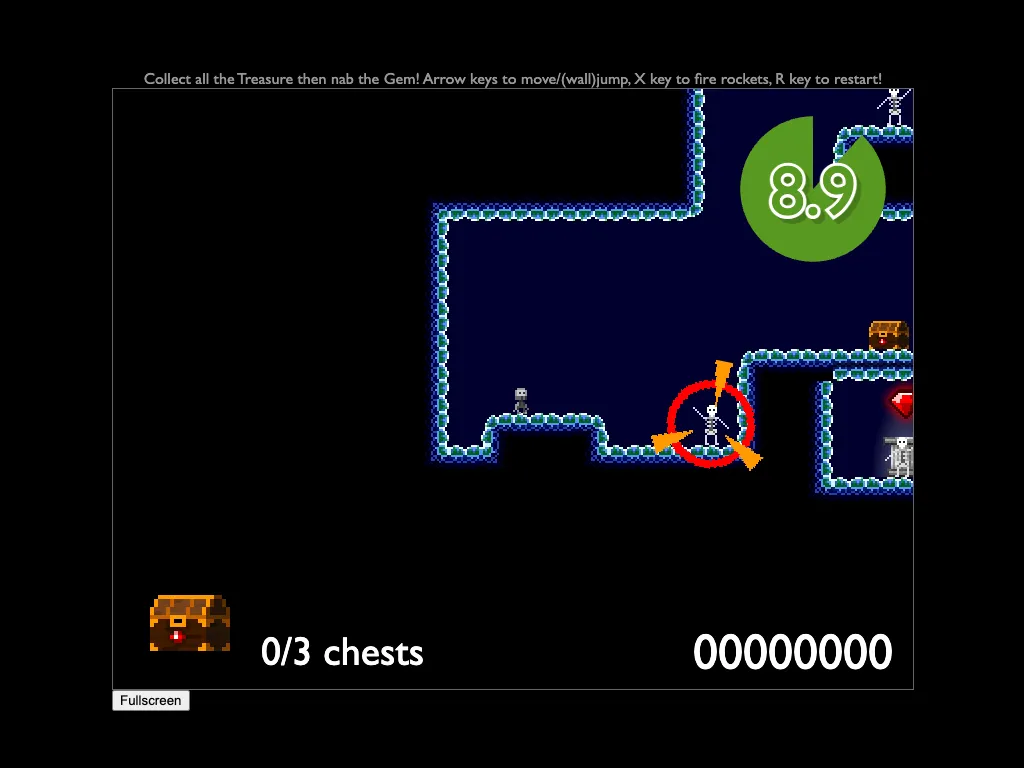
- Low Battery was made for Ludum Dare 27, where the theme was "10 seconds". You run through a dark cave with a helmet battery that lasts ten seconds, open every chest, then take the gem. Rockets clear skeletons out of the way, and you can jump off walls.
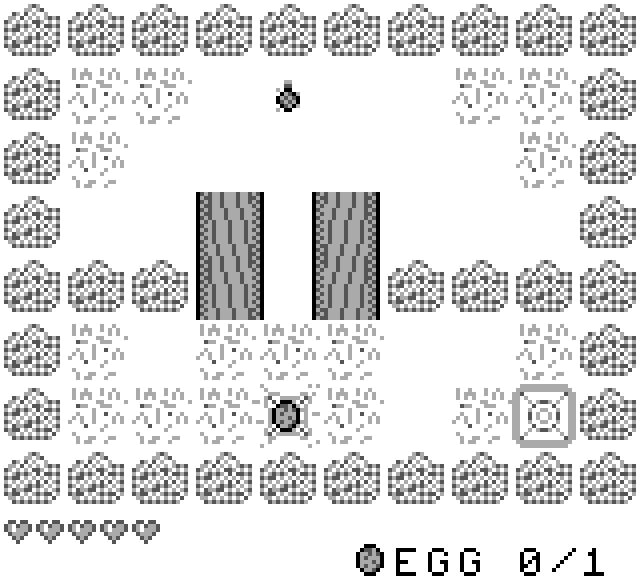
- Squishy the Turtle came from Ludum Dare 34 in 2015, built in 48 hours for the Game Boy. Squishy can grow or shrink at will: small is quick and fits through gaps, big is slow but safe from piranhas. It is a homebrew for the Game Boy, and the author updated it for MAGFest 2018.
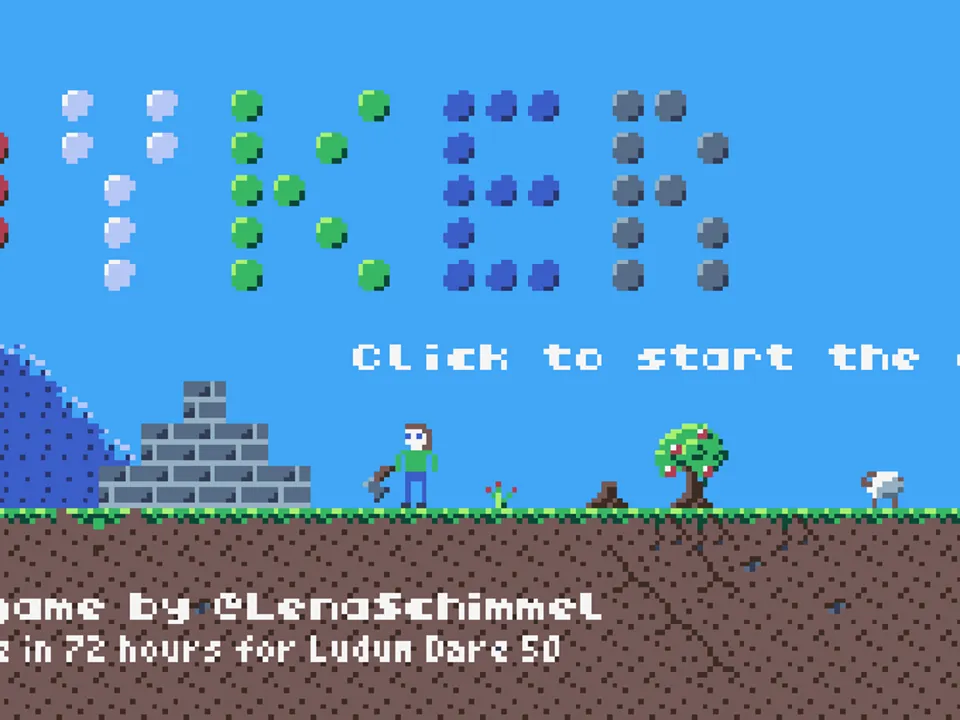
- Dyker was made in 72 hours for Ludum Dare 50 in April 2022, a game for the TIC-80 fantasy console. A flood wave is coming and you need enough coins for a ticket off the island. Time only passes when you act, so you can think as long as you like. It is played with the mouse.
- CircleRC began as an entry for Ludum Dare 47, "Stuck in a loop": the radio-controlled car can only drive in circles, and you capture targets by looping around them.
- Scrap Spaceship is a Ludum Dare 45 game ("Start with nothing") in which you fire parts at a ship to build it, then fly it into turrets.
- Stallar, a tiny NES platformer, is from the Ludum Dare 50 theme "Delay the inevitable", as is A Christmas Inevitable, a single-page incremental game with no images or sounds.
7DRL: the Seven Day Roguelike
The 7DRL challenge is a jam for one kind of game. You have at most seven days to make a roguelike, which the organisers describe as a procedurally generated, turn-based, grid-based RPG in the mould of Rogue, with permanent death. Entries are allowed to bend those rules. The challenge is held once a year in early March, and you may plan your design beforehand but must write the game inside the week.
The roguelike genre suits the format. A small dungeon, a few monsters and a simple combat system fit into seven days, and the depth comes from how the pieces interact. Our guide to roguelikes in your browser covers the genre; these are the 7DRL games on the site:
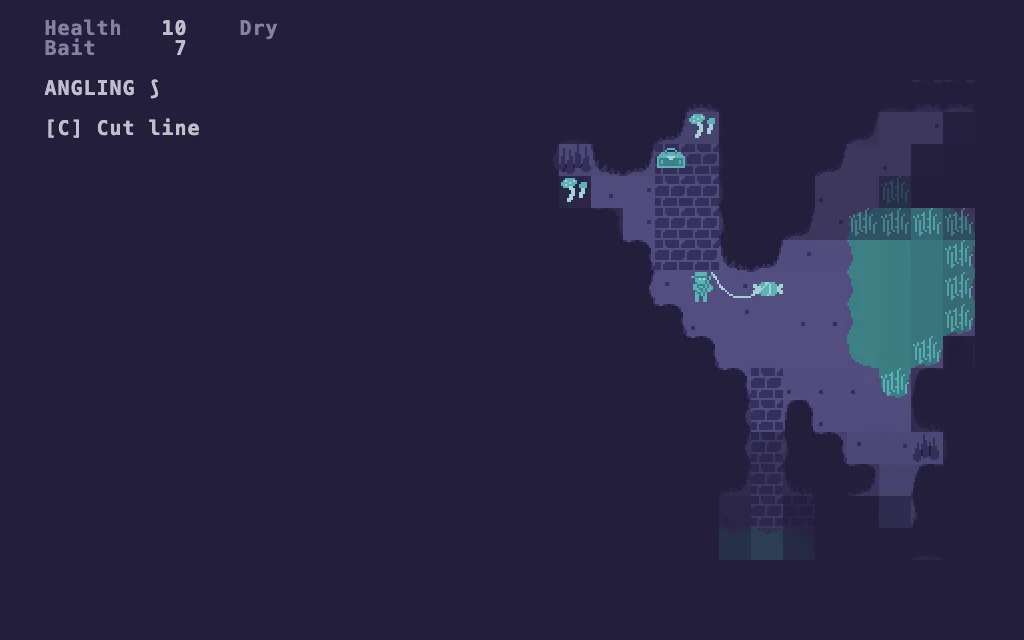
- Hook, Line, and Spelunker (7DRL 2022) gives you a fishing rod as your only weapon. You cast a lure, let a monster come to eat it, and hit it while it is busy. The game is turn-based and a run takes a few minutes.
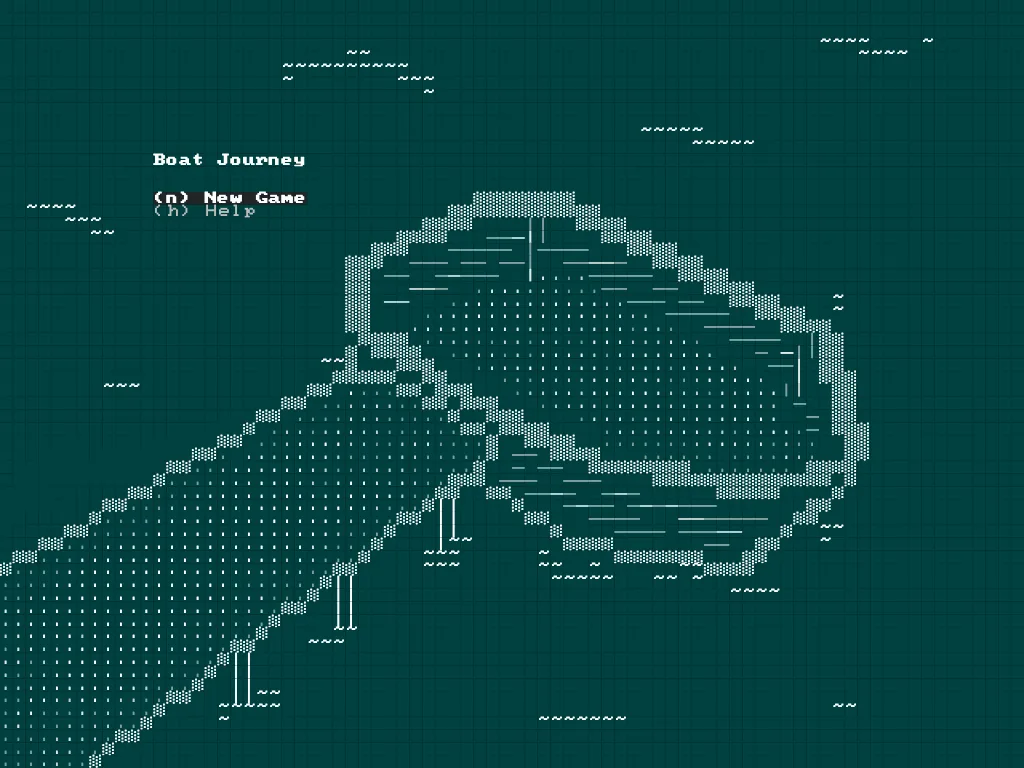
- Boat Journey (7DRL 2023) is by Stephen Sherratt, who has entered the challenge in several years and has several games here: you gather passengers on a haunted island by day, shelter at the inn at night and try to sail to the ocean. Other Sherratt entries on the site include Meters Below the Ground, Rain Forest, Electric Organ and Road Closed.
- Tower of Tension (7DRL 2020) turns every fight into a physics puzzle: you bump enemies into each other, off ledges and into walls.
- Lidar Dungeon was written in seven days for the TIC-80 and is played in the dark.
PyWeek
PyWeek is a long-running challenge for Python. You have one week to write a game from scratch, alone or in a team, around a theme announced at the start. It runs twice a year, and by September 2026 had reached its 42nd edition. Entries come with their source code.
Several PyWeek entries on FredyGames run through pygame in your browser:
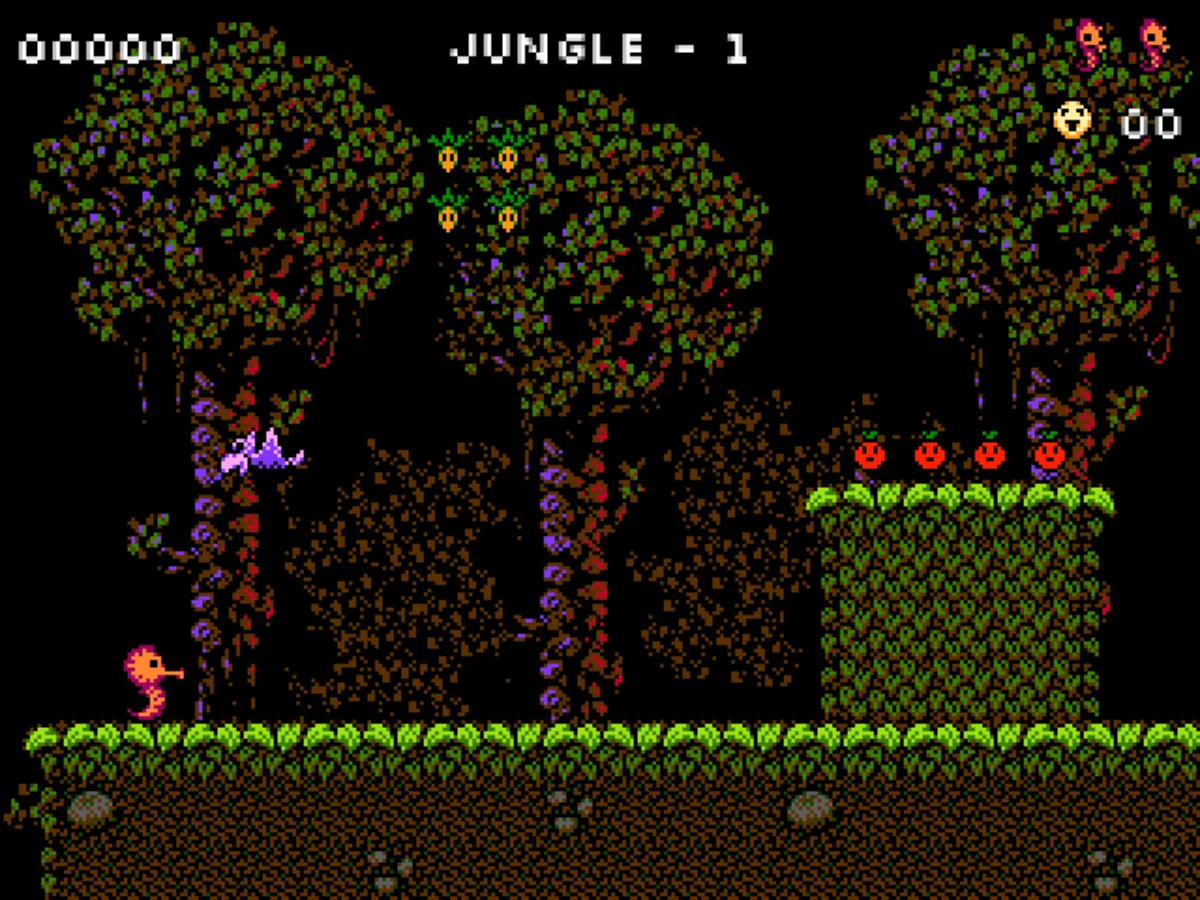
- Seahorse Adventures (PyWeek 4, 2007) is a side-scroller about a seahorse who shoots enemies into bubbles and rides the bubbles to high platforms. Jungle, volcano and moon worlds end with a boss.
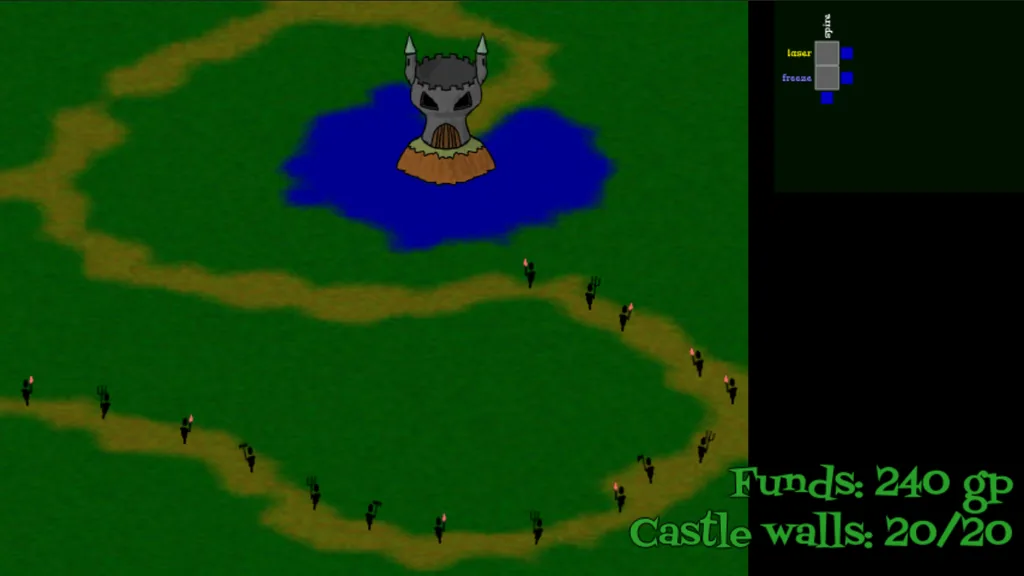
- Uslingborg Defense (PyWeek 14, 2012) is a tower defence game where you play the evil lord of a castle and bind a mouse button or key to each "invention".
- Trip on the Funny Boat and 20,000 Light Years Into Space are from 2006, the second PyWeek.
- Which Way Is Up?, Panspermia, The Forgotten Angel and Eight Bit Passage are other entries, and the last three are all by Christopher Night, alone or with a partner.
LÖVE Jam and the Lisp Game Jam
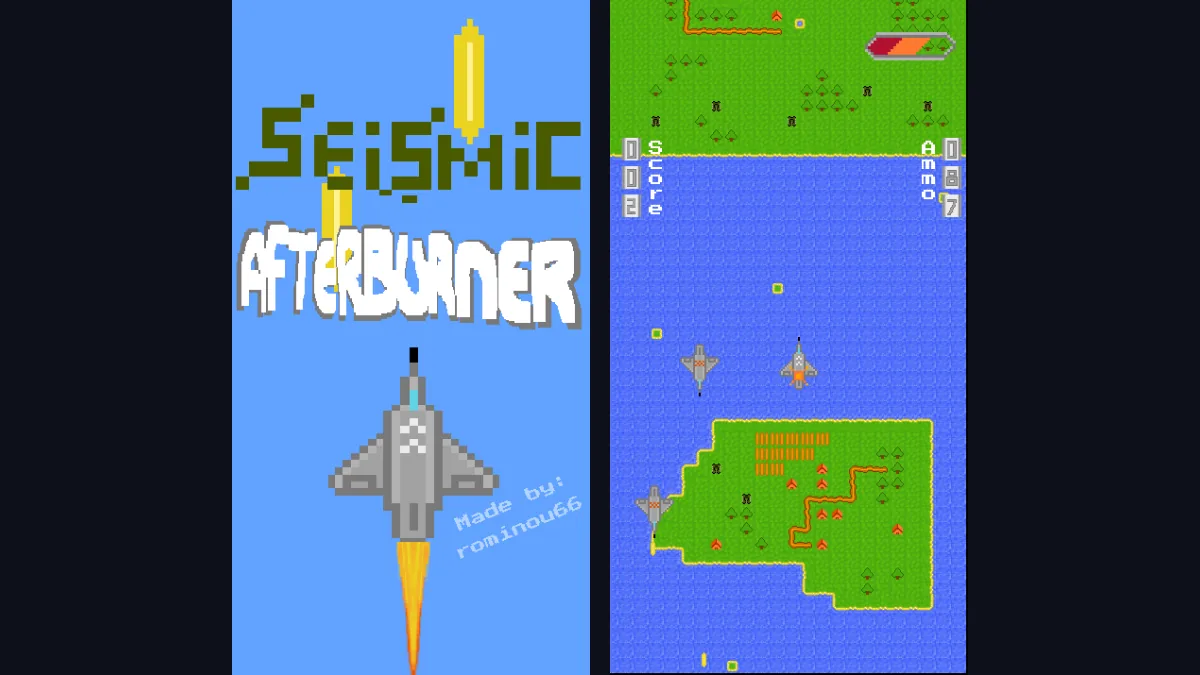
Two jams are tied to a tool rather than a theme. The LÖVE Jam is for games written with the LÖVE framework. Seismic Afterburner was made in a week for the 2022 edition, whose theme was "earthquake", so the whole screen shakes whenever it can. It is a short vertical shooter: 100 shots, three hits, and a boss bomber at a score of 30.
The Lisp Game Jam asks for games written in a Lisp-family language, and is held more than once a year. Several of its entries on the site are in Fennel, a Lisp that compiles to Lua, and run on TIC-80 or LÖVE. this is my mech (2019) is a comic adventure about five pilots who cannot agree who forms the head of the robot. Down Sheep (Fall 2020) is a two-sheep puzzle. Urbanity (Autumn 2025) is a turn-based city builder.
LOWREZJAM
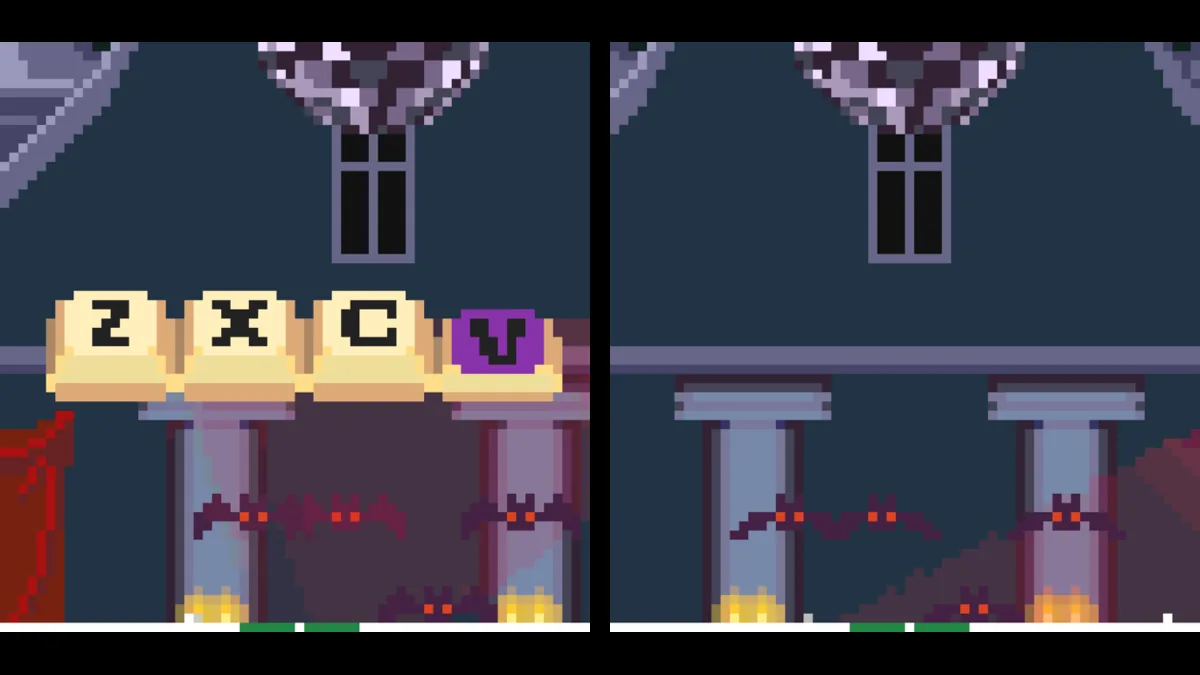
The LOWREZJAM sets a rule about pixels: the game has to run at 64 by 64 pixels or lower. The 2022 edition ran for two weeks. Vlad's Disco is a rhythm game for it, drawn on that tiny grid. You hit Z, X, C and V in time with the music to keep vampires dancing, and press Space to call them indoors when the sun comes up.
GitHub Game Off
GitHub Game Off is a month-long jam hosted by GitHub; the 2022 edition ran through November. Entrants submit through itch.io and have to put their source in a public GitHub repository, which helps explain why so many Game Off games are open source.
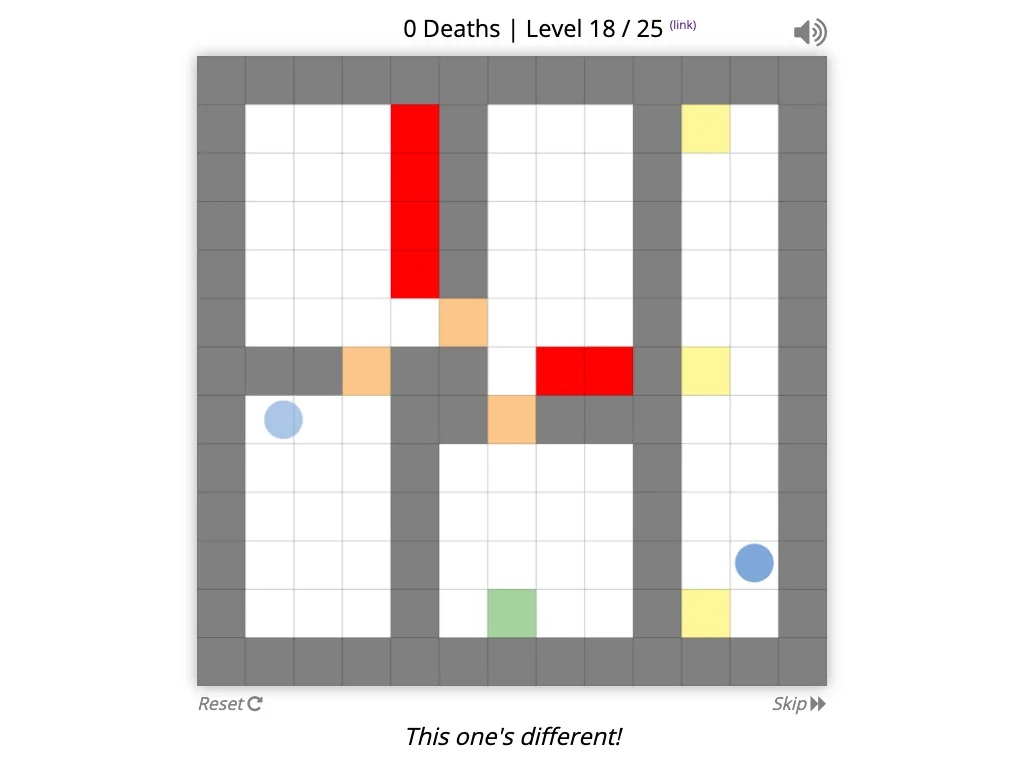
- Swap (2013) is a grid puzzle where Space moves your control to another circle while the others wander on their own. It has 25 levels.
- Tricolors (2017), Stomper (2022) and Undulo (2025) are three other entries.
Gamedev.js Jam
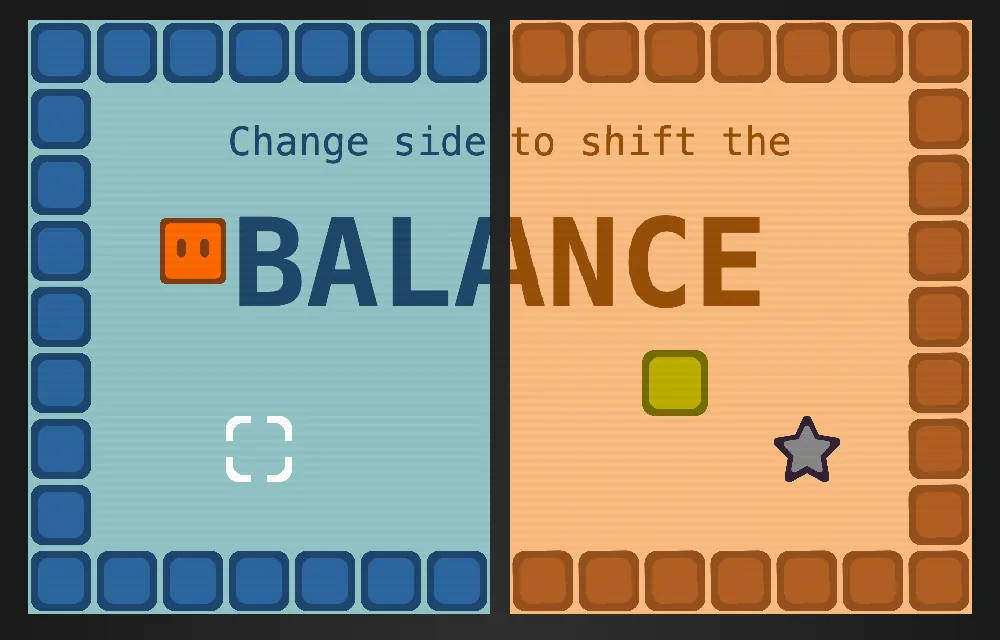
Gamedev.js is a jam for HTML5 games that run in the browser. The 2025 edition lasted about two weeks and its theme was "Balance". Split Push answers it with a Sokoban puzzle on two boards: moving a box or yourself between them changes their weights, and the heavier board sinks. Eight levels and a hard bonus one. Power Down is from the 2024 edition. The same web-game scene runs js13kGames, which has its own guide: browser games and js13kGames. In short, js13kGames asks for a whole game in 13 KB, and a handful of those are on the site.
WASM-4 and Godot jams
The WASM-4 fantasy console, a four-colour handheld that exists only as software, held its first jam in January 2022 and a second in August 2022. Wasmanoid and Assemblio came from the first. Fantasy consoles explained tells the wider story.
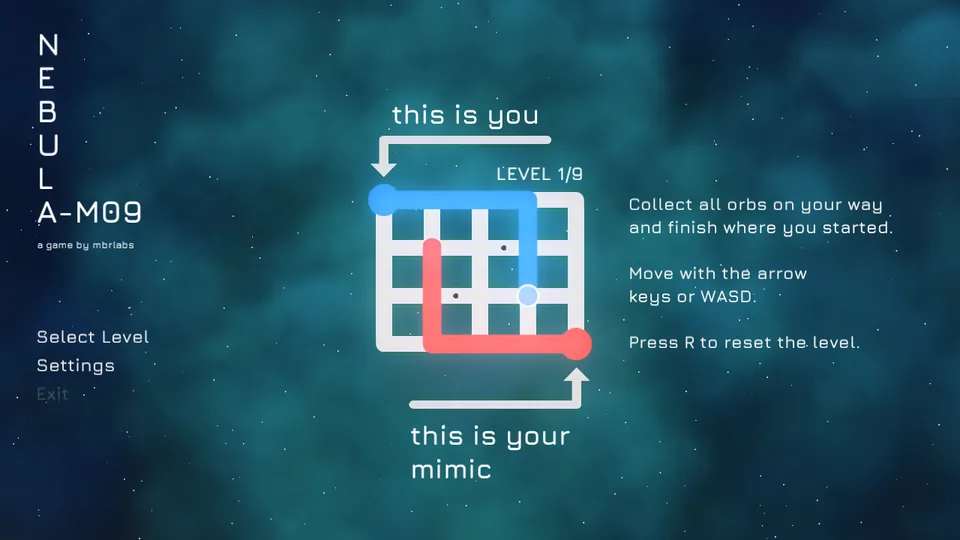
Godot users run jams of their own, organised by the community rather than by the engine project. Nebula M09 comes from the 47th Godot Wild Jam: a symmetry puzzle in which a red line mirrors every move of your blue one, with nine handmade levels. Aqua Journey, a drop of water that becomes ice, liquid or steam, was made for the Godot Community Game Jam of June 2018.
Why jam games are short, and sometimes unfinished
Time is the whole explanation. In 48 hours a person needs to design, program, draw and do the sound, and the designer who starts with a grand idea ends with a half-built one. So jam games share some habits:
- One idea. The best entries pick a single mechanic and explore it. Swap lets you switch bodies and builds 25 levels on that. Dyker is about one rule: time moves when you act.
- Small scope. A run is a few minutes long. Several have no save.
- Plain presentation. Dyker has no sound. Hook, Line, and Spelunker is drawn with one sprite sheet.
- Rough edges. Uslingborg Defense's author says the game is not well balanced and that you can win without using most of the tools. That candour is typical.
Some games are simply not finished: they stop where the clock stopped. A jam game is a sketch, and a good sketch shows you what the author was after. Some authors keep working on them afterwards, like the author of Squishy the Turtle, who updated it years later.
Why so many have open source
Jams grow out of a culture of sharing. Several rules and habits push in the same direction:
- Some jams require it. Game Off asks for a public repository, as noted above.
- Authors want feedback and credit. Putting the code on GitHub under a licence such as MIT is the normal way to publish a hobby project.
- Nobody is selling it. Many jam authors do not plan to earn from the game, so a permissive licence costs them nothing and lets others learn from it.
- Free tools come with free habits. Godot, LÖVE, pygame and TIC-80 are open source themselves, and people who use them often follow suit.
For us, that matters for a practical reason: we only host a game when its author has clearly allowed redistribution. Our guide on how we check licences explains what we look for, and the licence text for each jam game sits beside it on its page.
Where to start
- For ten minutes of puzzle: Swap, Nebula M09 or Split Push.
- For an arcade round: Low Battery or Seismic Afterburner.
- For something odd and clever: Hook, Line, and Spelunker or Dyker.
- For a small story: Boat Journey.
- For something retro: Squishy the Turtle or Vlad's Disco.
- For strategy with a smile: Uslingborg Defense or Seahorse Adventures.
If you like one, look up the jam it came from. The page of each game names the event.