Portugues
Board and card games to play free in your browser
Table games are easy to start and hard to put down: the rules fit on a card, the opponent is already waiting, and a game takes ten minutes. FredyGames has a whole shelf of them: chess and a surprising number of its relatives, draughts in several national flavours, Go, shogi, card games from Iran and from the kitchen table, solitaires, and a few cue and dart games. This guide walks along that shelf. The full list of board games is on the board game genre page.
Everything below runs in the page, computer opponent included, and nothing needs installing.
Chess, and what people have done to it
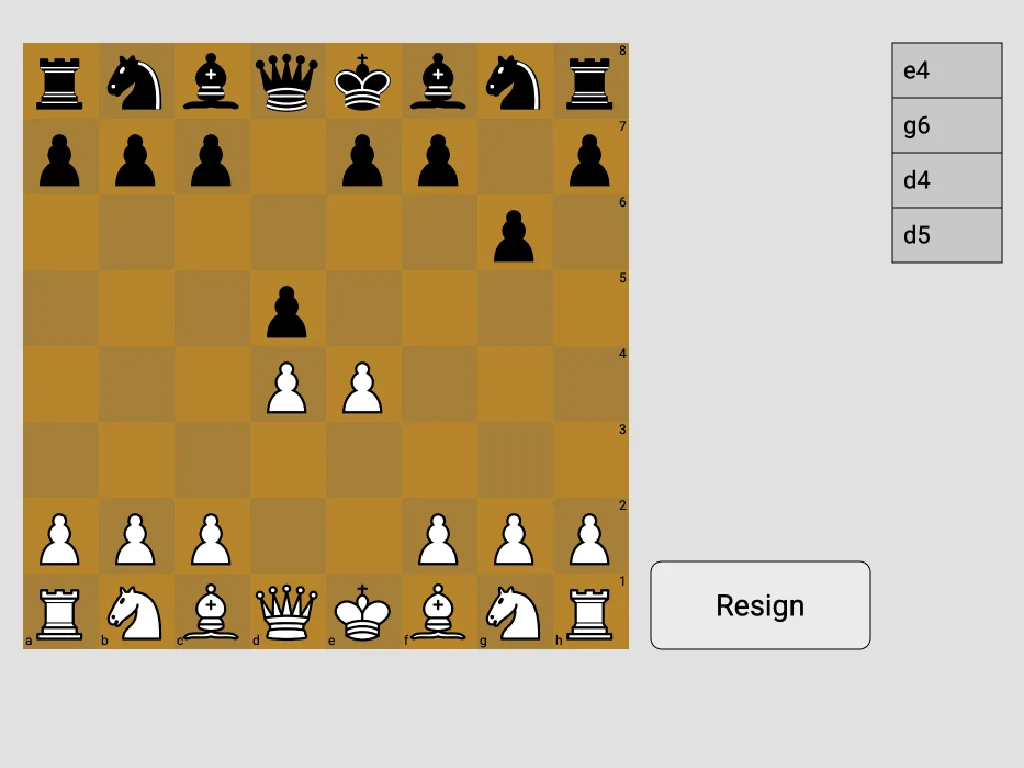
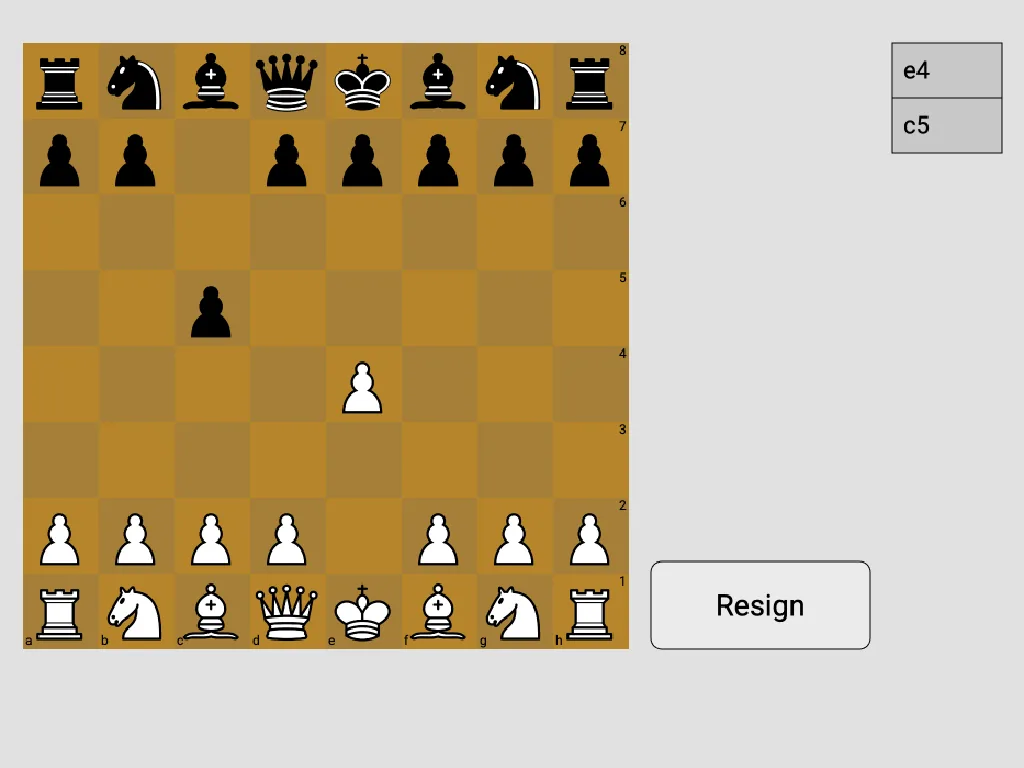
Plain chess is here too: Chess has every rule, from castling and en passant to the fifty-move draw, three computer levels, undo, and a two-player mode on one screen. It is a fair opponent for a casual player. Game Boy Chess squeezes a searching engine, an opening book and four levels into a 32 KB cartridge for the original Game Boy; its author measured the levels at roughly 900 to 1325 Elo. It is a homebrew game, and our guide to Game Boy homebrew explains what that means.
Puzzles for sharper tactics
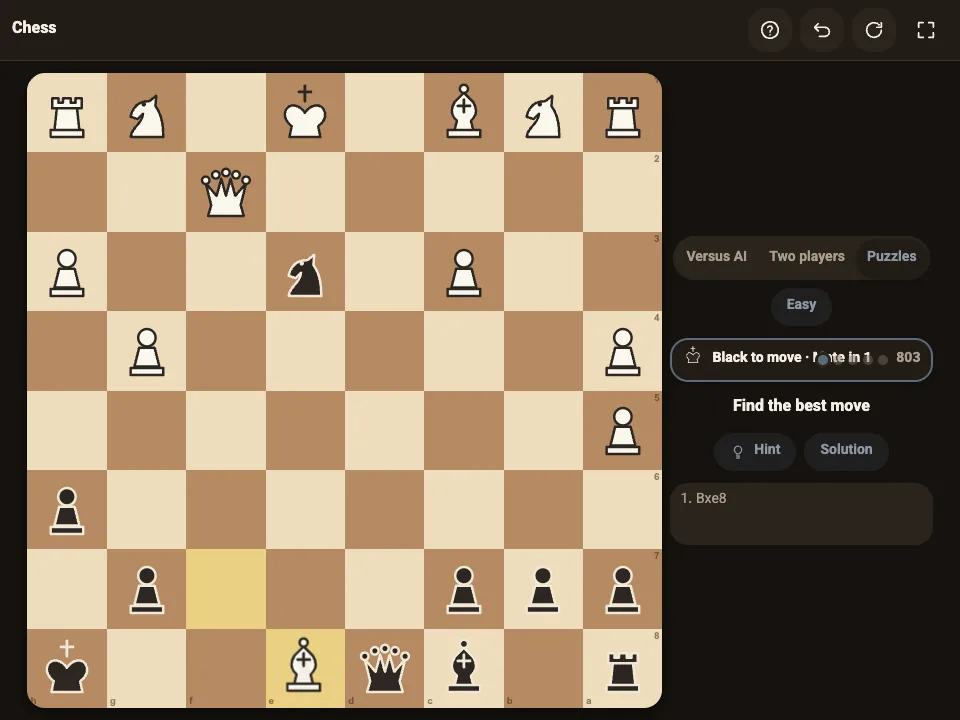
Chess Puzzles is two things in one page: a complete game against an AI (or a friend), and a trainer with 600 positions taken from the Lichess puzzle database. Each puzzle says who is to move and what to look for, such as a mate in two. Look at checks, captures and threats first, because most puzzles begin with a forcing move. Undo is unlimited, so you can try an idea, watch the reply and take it back.
Chess with a twist
Three of the most unusual chess games on the site come from one author, dtsudo, who keeps asking what happens when the rules around the board change.
- Symbiosis Chess puts you on the same side as Stockfish. You play White, but the engine plays every other move of yours. You make move one, Stockfish makes move two, you make move three. No plan lasts more than one move, so keep your moves flexible and build on what the engine just did. Your opponents are free-software mascots, each with a rating.
- Queen Sac pits you against a modified Stockfish with one new rule: if it has a move that lets you capture its queen, it must play it. The trick is to set up a position where one of its legal moves hangs the queen, and then collect. It is as much a puzzle as a game.
- Chess Comp Stomp with Hacks admits up front that the computer is stronger than you and tells you to cheat. Between rounds you spend hack points on an extra queen, a tactical nuke, rooks that move diagonally and other bent rules, and earn more by winning or by finishing objectives such as mating with a knight.
Chess from other times and places
Chess Variants collects eight versions in one page, each against the computer, with a Rules button that spells out what is different. They include:
- Chess960, where the back rank starts in one of 960 random arrangements and memorised openings are no help;
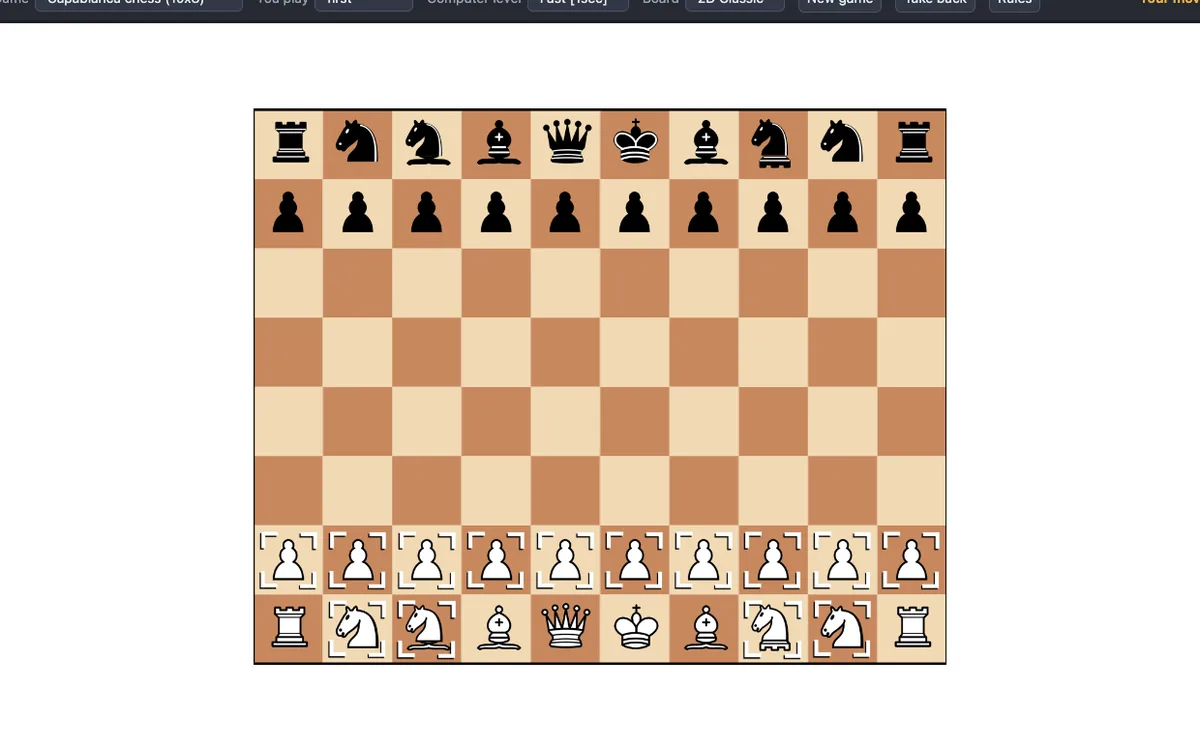
- Capablanca chess on a 10x8 board, with the chancellor (rook plus knight) and the archbishop (bishop plus knight);
- shatranj, the medieval Persian game that chess descends from, and makruk, a cousin still played in Thailand;
- courier chess, losing chess (capturing is compulsory and the goal is to lose everything) and Gardner's 5x5 minichess.
If you know ordinary chess, you can sit down at any of them within a minute. The new pieces in Capablanca chess are strong and easy to lose to a fork.
Draughts and checkers
Draughts is not one game but a family, and the differences are exactly the kind that matter at the board: how far a king can move, whether men may capture backwards, whether you must take the longest line.
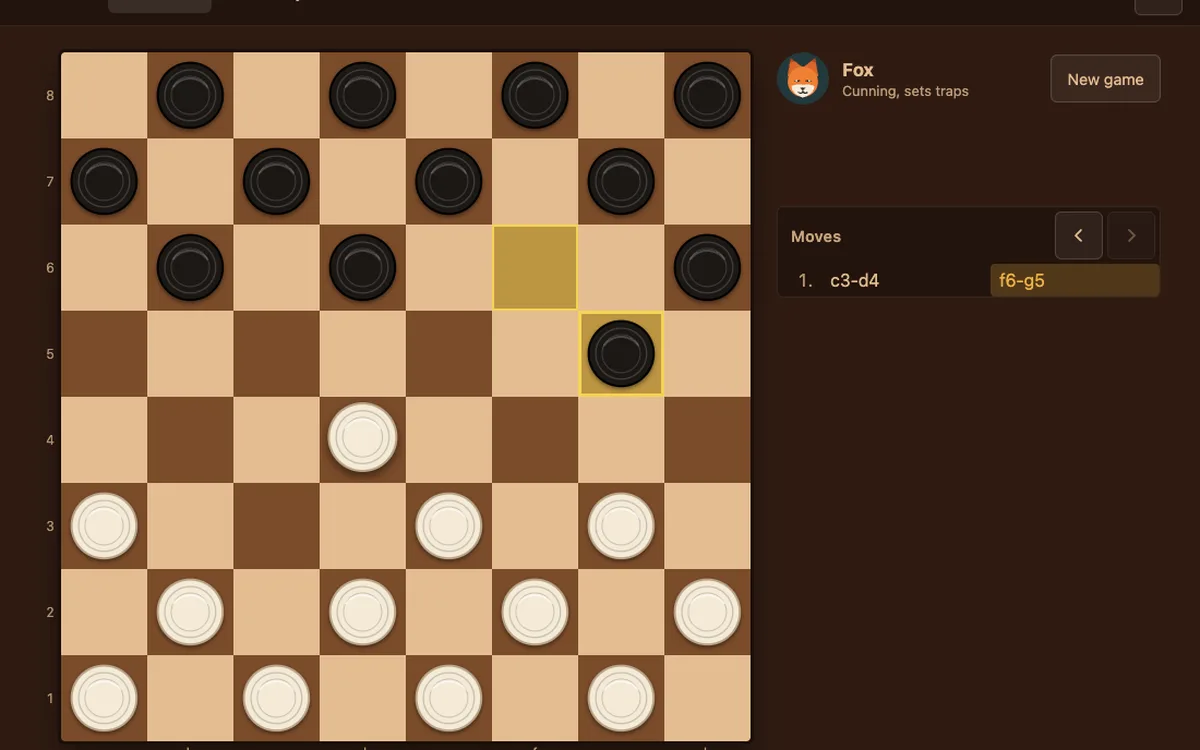
- Checkers is the plain version: twelve pieces a side, diagonal steps, mandatory jumps, kings on the far row. Three computer levels, two-player mode, undo.
- Draughts Variants gathers eleven forms in one place, among them international 10x10, English, Brazilian, Spanish, German, Thai and Turkish draughts, plus suicide draughts, a children's version and alquerque, the older game that draughts grew out of. English draughts is the checkers of the United States and the UK, and Brazilian draughts is the common game in Brazil. A move that is safe in one can lose a piece in another, so open Rules the first time you try a new one.
- Damka is Russian checkers (shashki) with flying kings, backward captures for men, and the freedom to choose any capture sequence. It adds two more games on the same board: giveaway, where losing all your pieces wins, and corners, a race in which nine men each must cross into the opposite corner with no captures at all. Five computer opponents, from a Kitten that moves at random to a Raven that remembers your mistakes, make it a ladder, and the computer plays endings of five pieces or fewer perfectly, from endgame tables.
The advice that works in all of them follows from the rules: because capture is compulsory, you can force an opponent's piece onto a square you choose, and a sacrifice that sets up a double jump is the classic trick. It works against you too, so check the captures before every move.
Go, shogi and xiangqi
Three great board games from East Asia, each with a computer opponent.
Go
Players take turns placing stones, a group with no free neighbouring point is captured, and the goal is to surround more of the board than your opponent. The easiest way in is a small board.
- Capture Go is the gentlest start: the first player to capture anything wins. It teaches the one skill everything else depends on, which is counting liberties.
- Go is a nine-by-nine game with the full goal, territory and score, ko and suicide rules enforced, and three levels. Count liberties, take the centre and corners early, and pass when you are done, because filling your own territory loses points.
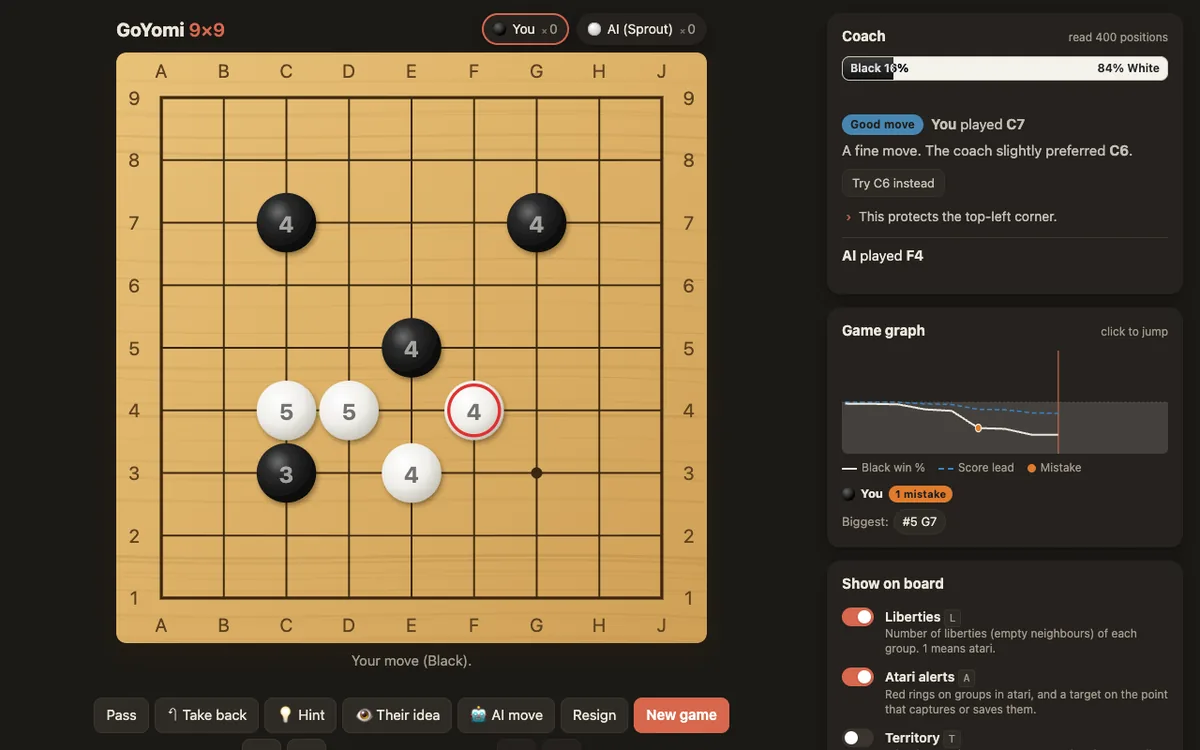
- GoYomi 9x9 is the one to pick if you want to learn. A coach grades each of your moves, a bar shows who is ahead, and the explanations are in plain words. Nine AI levels run on a KataGo neural network inside your browser; win and the next opponent is a level up, lose and it steps down. After each game, Key moments picks the two or three mistakes most worth a look.
Shogi
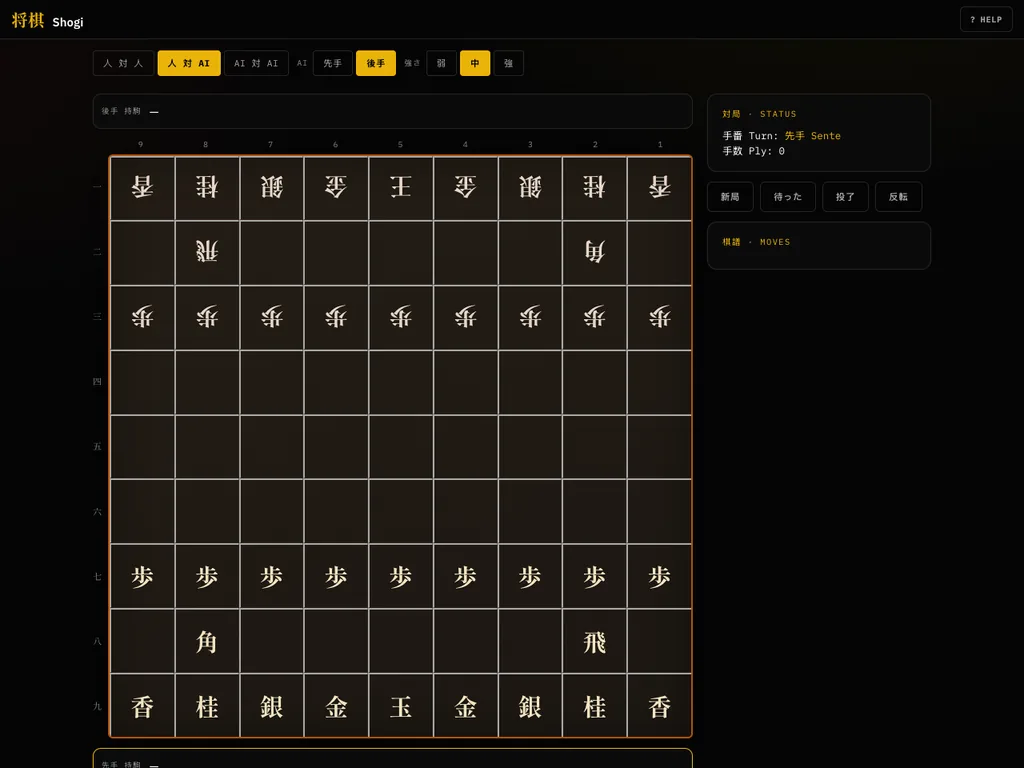
Shogi is Japanese chess, on a 9x9 board with twenty pieces a side, and it has one rule that changes everything: a captured piece changes sides and waits in your hand, and on any later turn you can drop it onto an empty square instead of moving. Attacks can come out of nowhere, so put a Gold or a Silver next to your King before you go hunting, and keep an eye on what is in your hand. Most pieces can promote near the far end, and usually should. The labels are in Japanese, as on a real board, and the ? key opens the rules.
Xiangqi
Xiangqi, Chinese chess, is played on the points of a board of nine files and ten ranks with a river in the middle and a small palace for each general. Here the pieces carry letters instead of Chinese characters. The cannon is the odd one: it moves like the chariot but captures by jumping over exactly one piece. A horse can be blocked by a piece next to it, and the two generals may never face each other on an open file. There are three computer levels, with optional handicaps.
Smaller games, older games
- Gomoku: five in a row on a 15x15 board, with three computer levels. Block open threes at once; a move that makes two threats is how you beat the harder levels.
- Tafl Variants: old Norse and Celtic hunt games, such as Brandubh, Tablut and Hnefatafl, where a king and a few defenders try to reach the edge against a larger army.
- Morris Variants: three to twelve men's morris, including flying versions. You place your men, make mills of three, and remove an enemy man each time.
- Reversi for the Arduboy: flank the opponent's discs to flip them. A disc in a corner can never be flipped, while the squares next to a corner are risky.
- Backgammonics is backgammon built as a lesson. A coach grades each move from Best to Blunder, the AI is GNU Backgammon's neural network at nine levels, and the Shots overlay shows how many of the 36 rolls hit a lonely checker.
- Dominoes (All Fives, for the Arduboy) and Mexican Train, where you build trains of tiles from a hub double against up to seven computer players.
Card games
Persian card games
Three of our card games come from Iran.
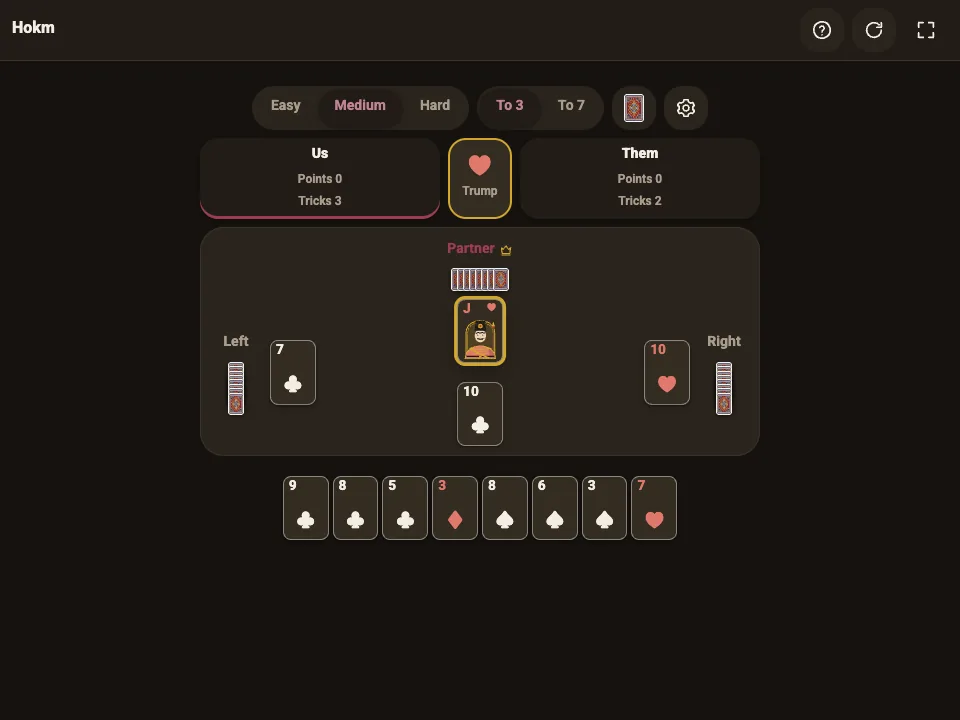
- Hokm is a trick-taking game for four in two teams. The hakem looks at the first five cards, names trump and leads. Everyone must follow suit, and a player with none can play any card, including a trump. A team wins a hand with seven tricks, and taking all seven is a kot. Pick trump from your long suit and do not beat a trick your partner has already won.
- Shelem adds bidding. Each player has twelve cards and four lie face down in the middle. Bids run from 100 to 165 in steps of five; the winner takes the middle cards, puts four back and names trump. Make your bid and you score what you took; fall short and you lose the amount of the bid, so do not overbid.
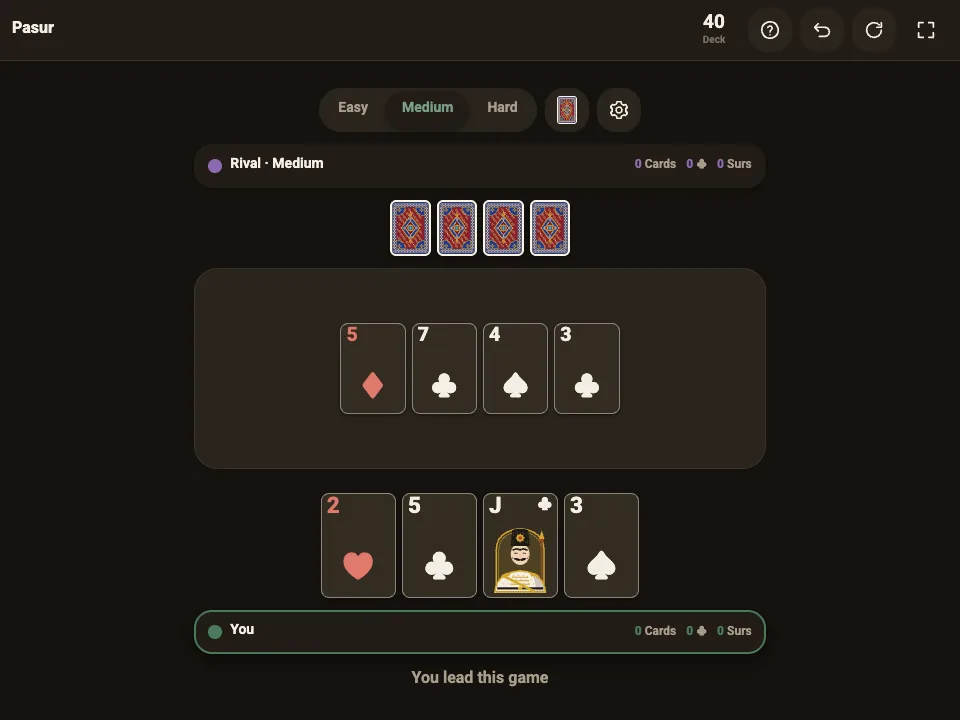
- Pasur is a fishing game for two. Four cards lie on the table; a number card takes any set of table cards that add up to eleven with it, a jack sweeps all but kings and queens, and clearing the table is a sur worth five points. Whoever holds most clubs at the end scores for it, so watch them.
Everyday card games
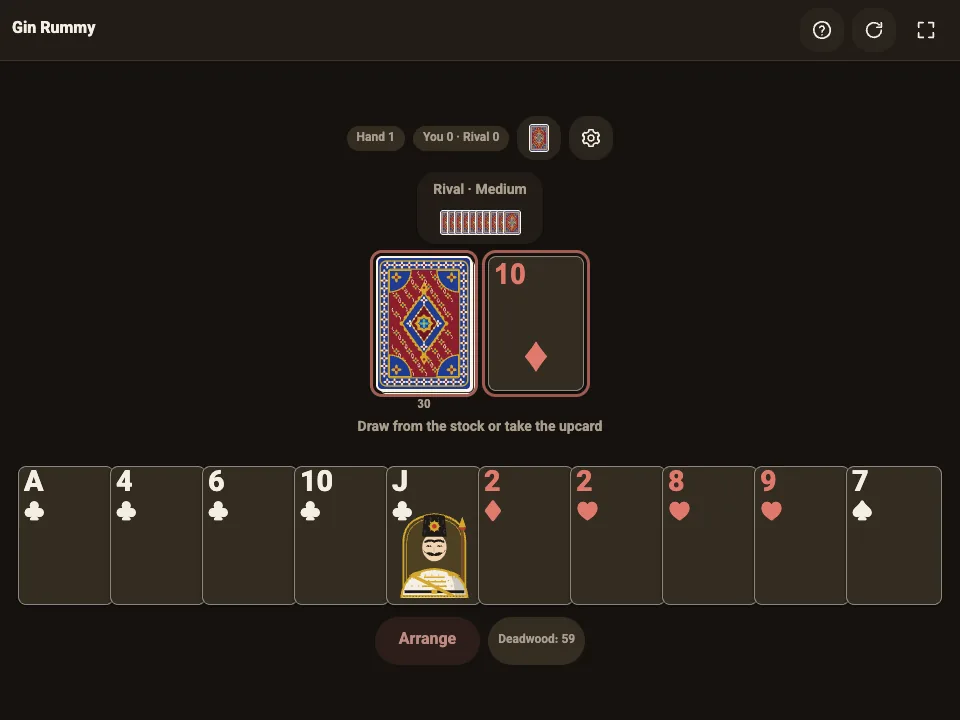
Gin Rummy is a two-player game of melds: sets of three or four of a kind, or runs of three or more in one suit. You draw, you discard, and what is left outside melds is deadwood. Knock when it is ten or less, or go gin with none. Throw away high cards early and watch what your rival picks up.
Toranpu Card Games puts eleven games on one table: Hearts, Spades, Euchre, Cribbage, Oh Hell, Crazy Eights, Go Fish, Big Two, President, Gin Rummy and War. Every deal comes from a seed number, so you can replay the hand that beat you.
Solitaires
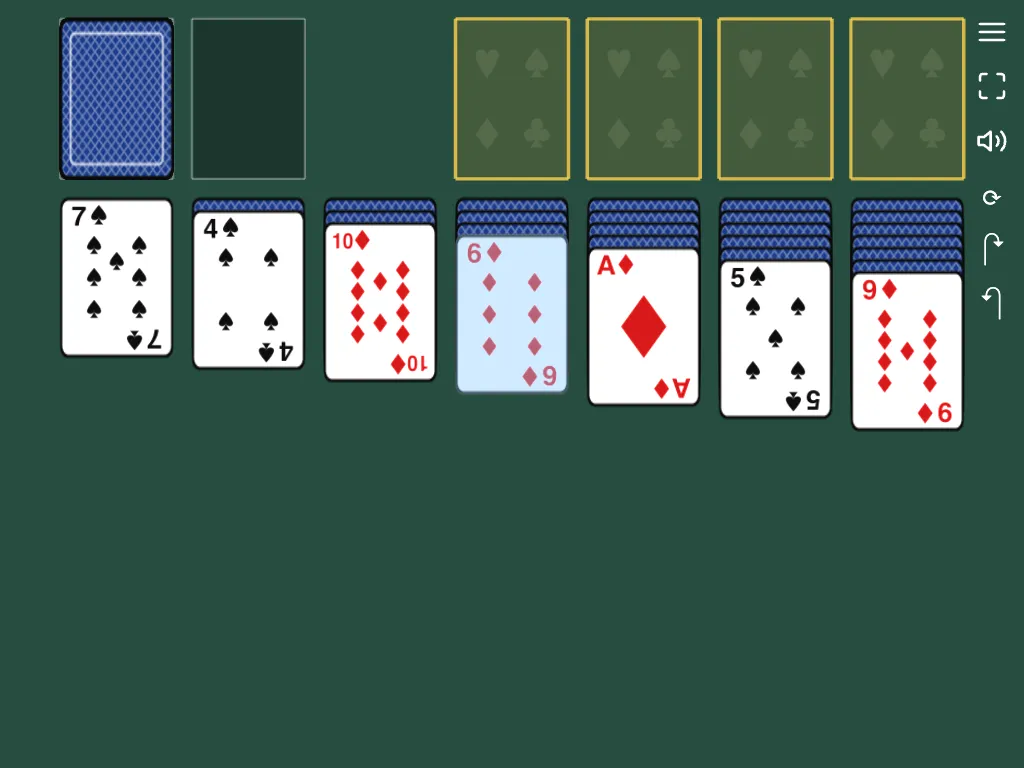
- Klondike Solitaire is the one everybody knows: seven columns, alternating colours, build up the foundations from Ace to King. Do not empty a column unless you have a King for it.
- Freecell Solitaire deals all cards face up, so it is pure planning, with four free cells as parking. Keep the cells empty and think a whole sequence through before you move.
- Spider Solitaire is the one-suit game with ten columns, aiming for eight runs from King to Ace. You can deal a new row only when no column is empty, so look for every other move first.
- Golf Solitaire and Aces Up are the short ones, a couple of minutes each. In Golf you play cards one rank higher or lower than the waste pile; in Aces Up you discard the lower card of a suit and try to finish with only the four Aces. Both use drag and drop, which may not work on a phone.
Pool, snooker, darts and bowling
For a break from cards and boards, there are five cue and throwing games.
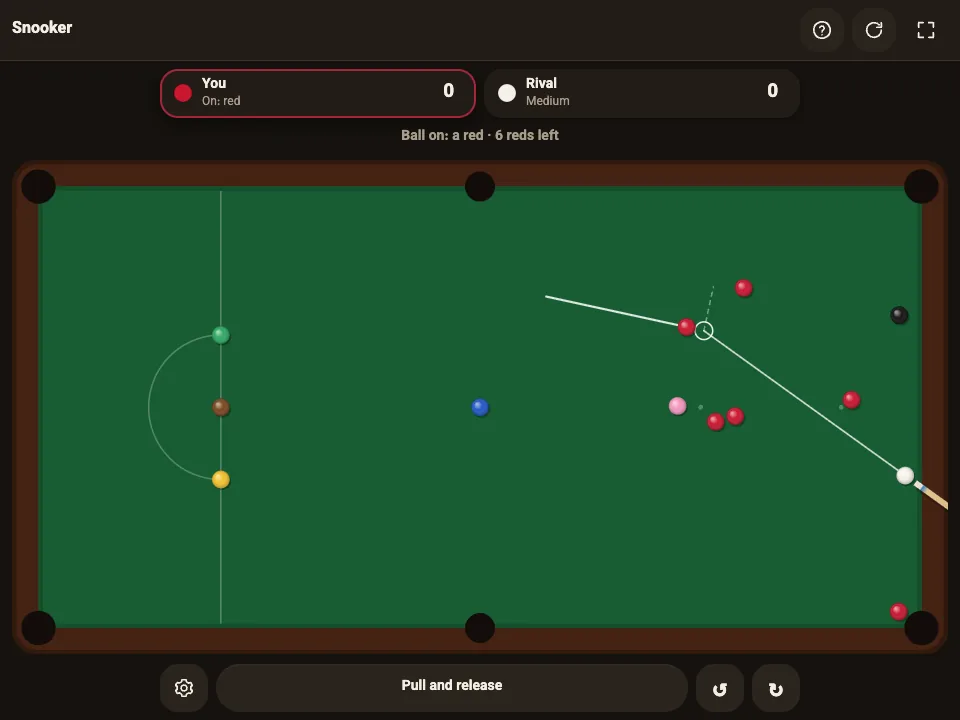
- Snooker has fifteen reds, six colours and the white, with the real order: a red, then a colour, then a red again, and the colours from yellow to black at the end. Start with three reds to learn it.
- Eight-Ball Pool: the first ball you pot sets your group, solids or stripes; clear them, then pot the 8. Potting the white or hitting the wrong ball first gives your opponent ball in hand.
- Pool is a solo version: fifteen balls, as few shots as possible.
- Darts is 501 or 301, three darts a turn, finishing exactly on a double or the bullseye. Going below zero, or to one, is a bust.
- Bowling is ten frames, aimed with a swipe that bends for hook.
Snooker, eight-ball, darts and bowling also offer a friend on the same screen and a daily table, board or lane that is the same for everybody.
Where to start
For a first game right now, play Chess Puzzles. If you already play chess and want something odd, try Queen Sac, then Symbiosis Chess. If you have always been curious about Go, start with Capture Go and move to GoYomi when you want a coach. For something completely new, Hokm is a card game you probably have not met, and Shogi will change how you think about captures. And when you only have a minute, a hand of Klondike or a frame of Snooker is always at the table.